
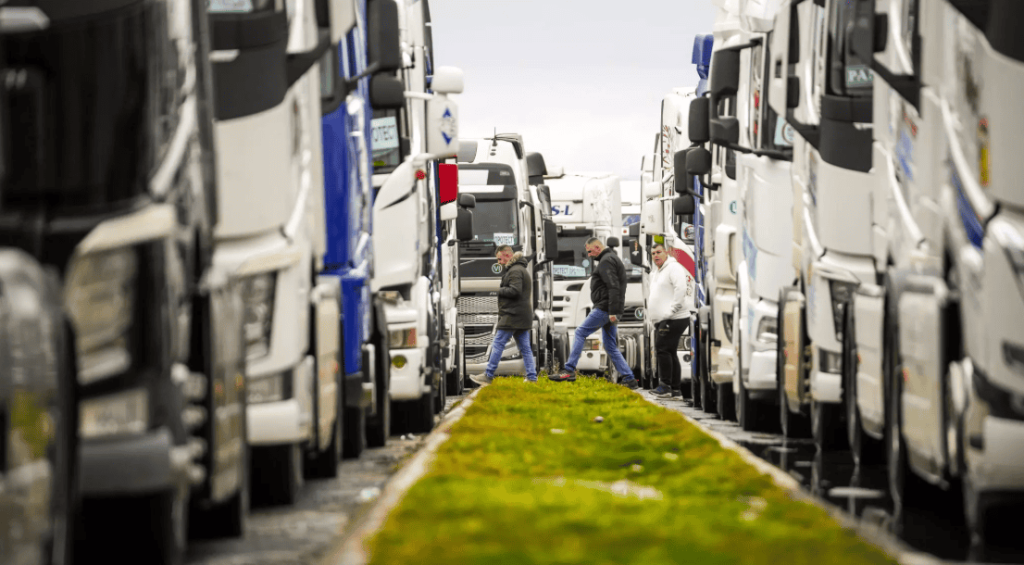
Western Balkan economic integration with the European Union has advanced significantly over the past two decades, driven by trade liberalisation and significant EU foreign direct investment in the region. Yet integration remains incomplete. Though tariffs have been eliminated, firms in the region continue to face substantial trade costs to access the EU market. These costs stem from a range of non-tariff barriers, regulatory requirements and border-related frictions, which have become more pronounced over time.
This paper identifies the critical barriers currently shaping the trade relations between the EU and the Western Balkans. These include non-tariff measures, particularly sanitary and phytosanitary and technical regulations, inefficient cross-border infrastructure and the new EU regulatory frameworks, including the carbon border adjustment mechanism, the Corporate Sustainability Reporting Directive and the Corporate Sustainability Due Diligence Directive.
Building on this analysis, the paper assesses the extent to which the current EU framework addresses these barriers. It shows that existing instruments, including Stabilisation and Association Agreements with Western Balkan countries, and the New Growth Plan for the Western Balkans, amount to an incomplete and ambiguous framework for reducing non-tariff barriers prior to full membership. A more targeted and differentiated approach is needed, allowing for a more flexible integration into EU value chains, alongside increased support for regulatory alignment, border efficiency and infrastructure improvements.
Source : Bruegel