
The Danes, the Dutch, the Swedes and the feasibility of walking away from pay-as-you-go pensions

Prefunded pensions in Denmark, the Netherlands and Sweden pair income security with fiscal sustainability, but other EU countries need a faster route. This paper examines
Worker-managed firms can curb inequality and protect free markets
Rising income inequality in Western high-income countries threatens democratic governance and social cohesion, and AI risks making it worse. Drawing on a forthcoming book, this
Not all geopolitical shocks are inflationary
Geopolitical tensions are often seen as a source of inflation. But this is only part of the story. This column shows that geopolitical shocks transmitted
Cultural norms matter for macroeconomic development

Interest in the role of cultural norms, institutions, and development has resurfaced in recent years especially post the 2024 Nobel Prize in Economics. This column
The adjustment of the Danish labour market to AI has begun
Policymakers are asking whether generative AI is reshaping labour demand, and the literature has found mixed results so far. This column links Denmark’s official IT-use
Women entrepreneurs could benefit from better targeting, without changing the program content
Every year, governments and development organizations spend billions on business upgrading programs — training, mentorship, consulting — designed to help small firms grow. These programs
Heat, air pollution, and global temperature shocks
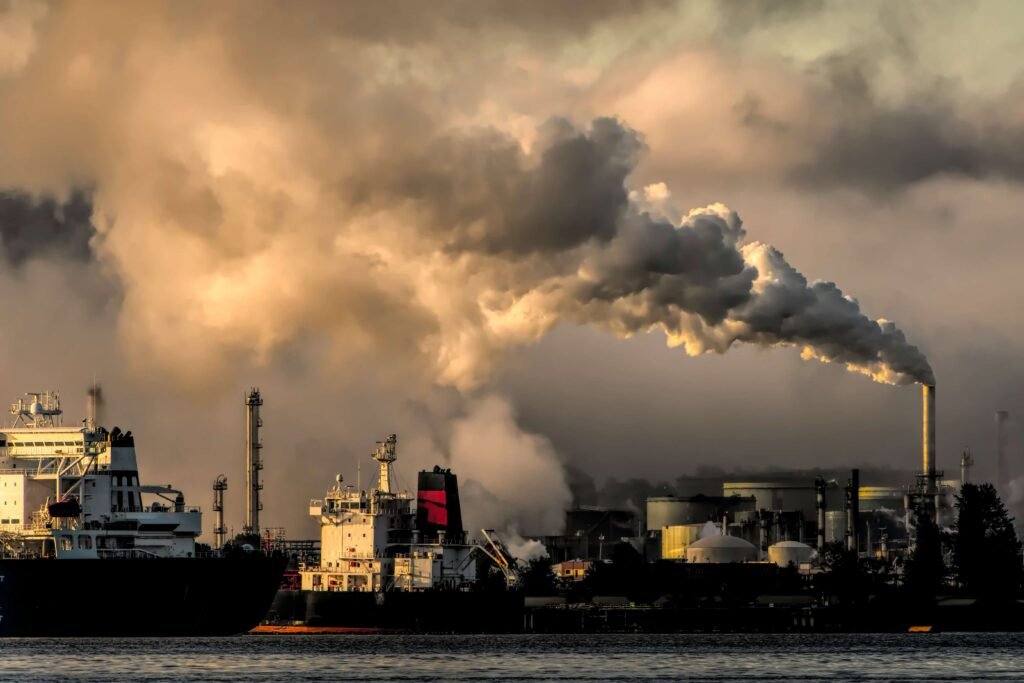
Developing countries face a host of environmental challenges, but two of the most significant are air pollution and climate change. Wealthy countries face both as
Venture capital – a global perspective
Existing views on what venture capital finances and how its markets are structured are primarily shaped by the experience of the US and a few
Competitiveness and opportunities for European clean tech
EU green value chains are losing competitiveness, but strong regional specialisation means support should target regions with the best industrial fit. The European Union is
The global growth slowdown: AI to the rescue?

Artificial intelligence (AI) is advancing rapidly at a moment when the global economy badly needs a new source of growth. The stakes are especially high