

Oil falls as Middle East crude exports rise, G7 to release stocks

Oil prices fell on Monday as rising Middle East crude exports and a release of oil stocks by the Group of Seven nations boosted supplies,
The quality of capital allocation in Europe

Europe’s investment debate tends to ask how much capital can be mobilised and how quickly. Allocation quality also depends on who receives capital and on
Energy markets under chokepoint stress: The 2026 Hormuz shock

The 2026 Middle East conflict and the disruption of traffic through the Strait of Hormuz generated the largest physical supply disruption in the history of
A view to a kill…ing of productivity: The allocative cost of war in Ukraine
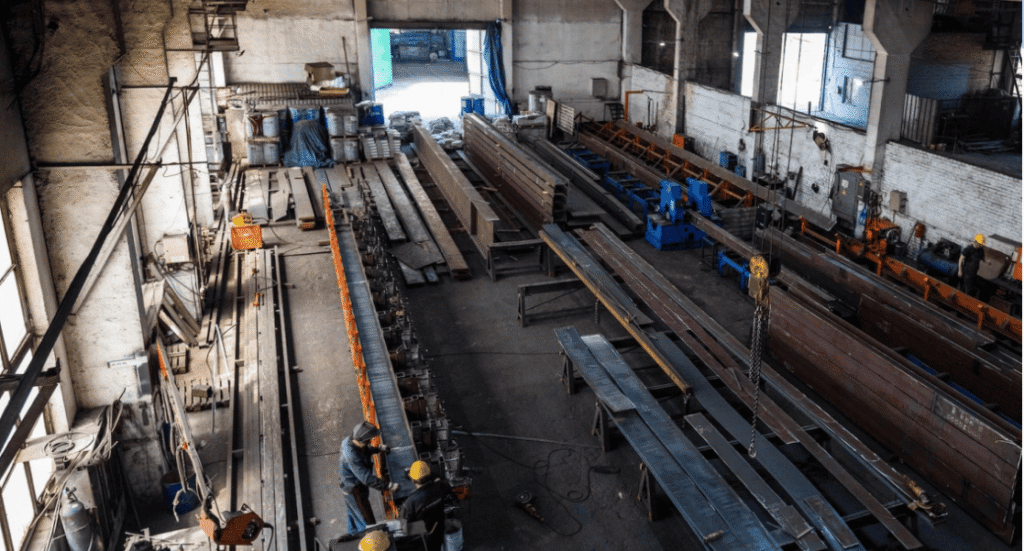
Estimates of the cost of Russia’s war on Ukraine are dominated by what the war destroys. This column measures a second cost: the labour and
Europe’s regulatory double bind

The European Union’s AI Act – the world’s most ambitious regulatory framework for artificial intelligence to date – was supposed to enter into full effect
The world is urbanizing fast — the window to get it right is narrowing

The most important urban decisions of this century are being made right now, mostly in cities you’ve never heard of. Today, 4.7 billion people, about
Cutting the cost of sending money home: Fast payment systems, digital access, and the future of remittances

Every month, millions of migrant workers send a portion of their earnings home to support their families — often providing the most reliable source of
When trust in official statistics declines
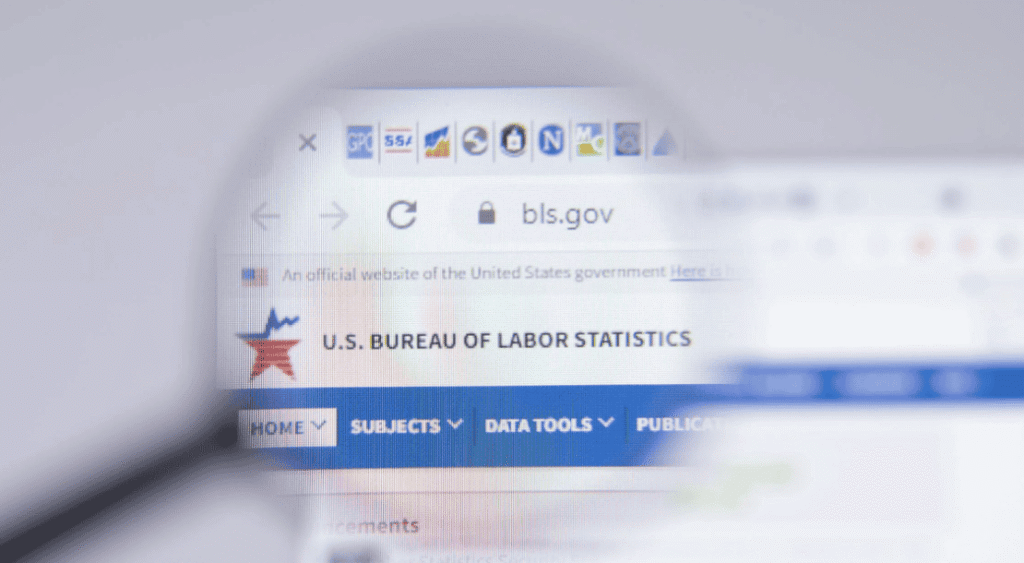
Trust in official economic statistics has become an increasingly salient policy issue, including in the US where the Commissioner of the Bureau of Labor Statistics
AI, productivity, and work: Evidence from US firms

Real-time evidence from users can inform the current policy debates around artificial intelligence. This column reports on a survey of executives at typical US firms
Building on connectivity to transform financial inclusion in Arab countries

A new Global Findex Note, “Digital Connectivity and Financial Inclusion in Arab Countries”, reviews the region’s progress on financial inclusion, assesses financial vulnerabilities, and identifies