


Electoral systems and immigration policies
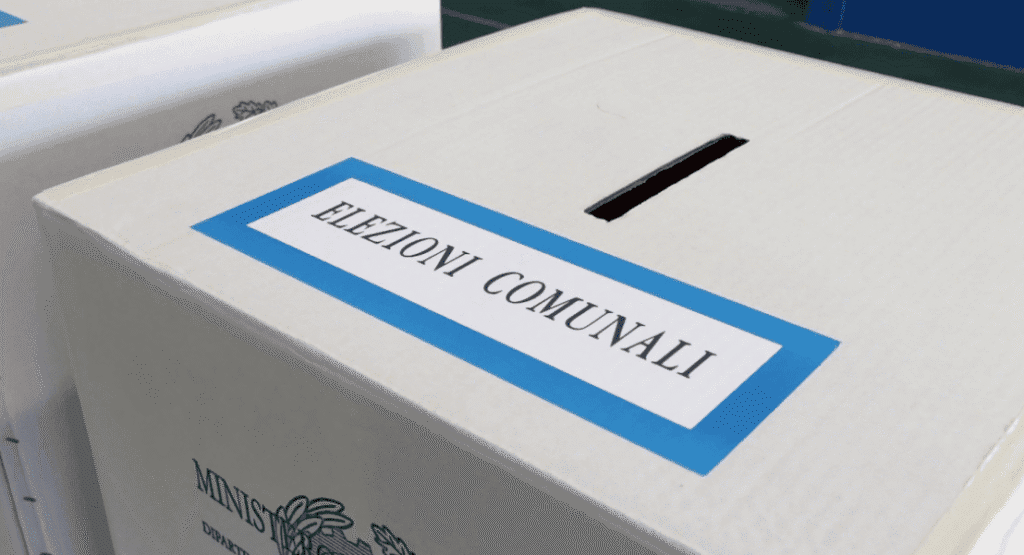
Immigration has become one of the most salient issues in political debate. This column uses evidence from Italian municipal elections to highlight the role of
Accommodating emerging giants in the global economy
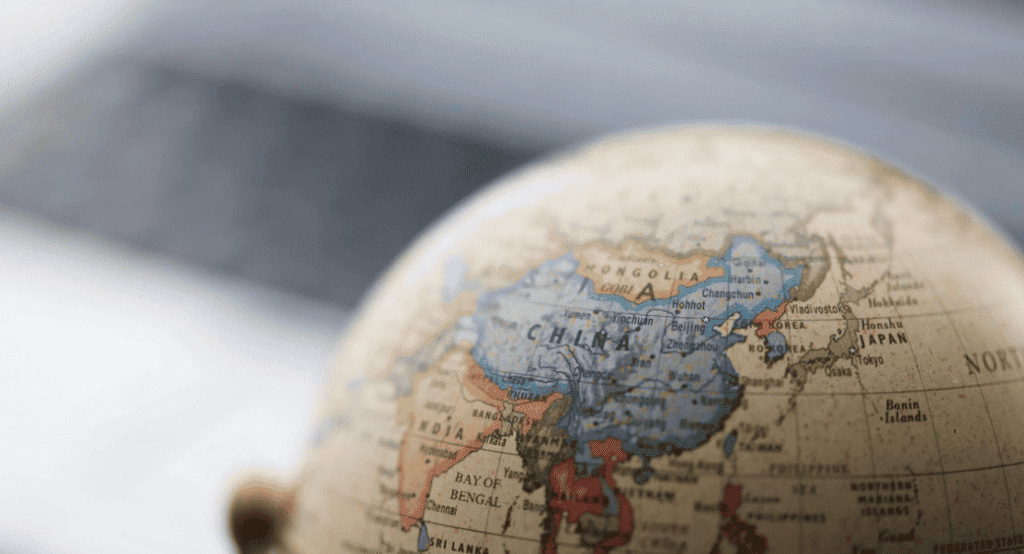
History provides many examples of large changes in the relative economic size of nations. This column examines the impact of rapid economic growth in emerging
A vignette study of work from home and attitudes to household work

Work from home has boomed since the Covid pandemic. This column uses a vignette experiment to explore how working from home links to gendered attitudes
Health adversity weakens support for fairer healthcare
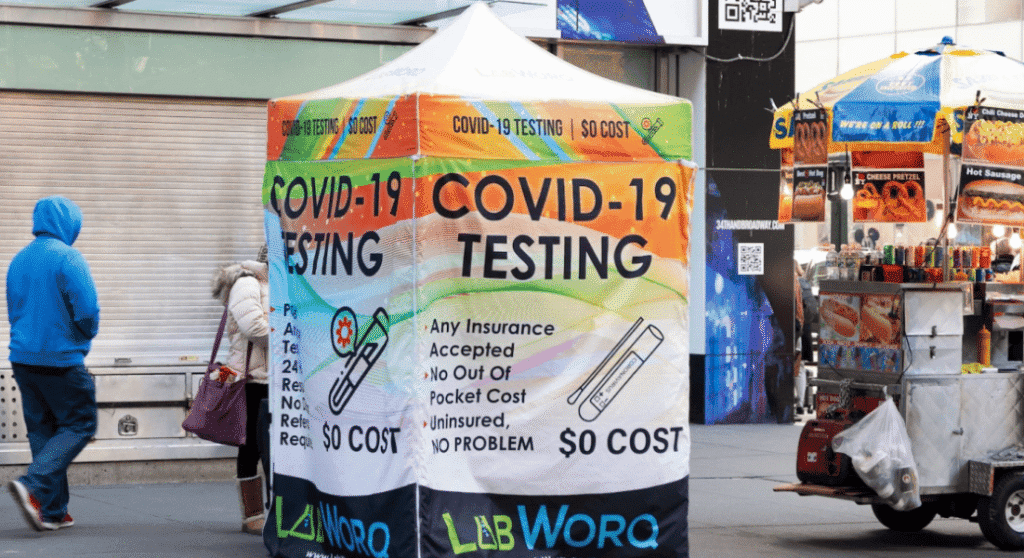
People’s quality of life is directly affected by policy decisions about access to healthcare and funding, making it increasingly important to understand how the public
Raising employment among women and older workers: A policy lever for ageing economies

Declining working-age populations are set to weigh on growth across economies where the European Bank for Reconstruction and Development invests and beyond, with demographic projections
Demographic change: Headwinds for economic growth

With fertility rates falling and populations ageing worldwide, the impact of demographic change on economic prosperity has become a central policy concern. This column uses
Continued growth despite a challenging environment: The Commission’s Autumn 2025 Forecast
The EU economy grew stronger than expected in recent quarters and all member states are set to return to growth in 2025. Modest but steady
The macroeconomic implications of extreme weather events: Insights from advanced economies
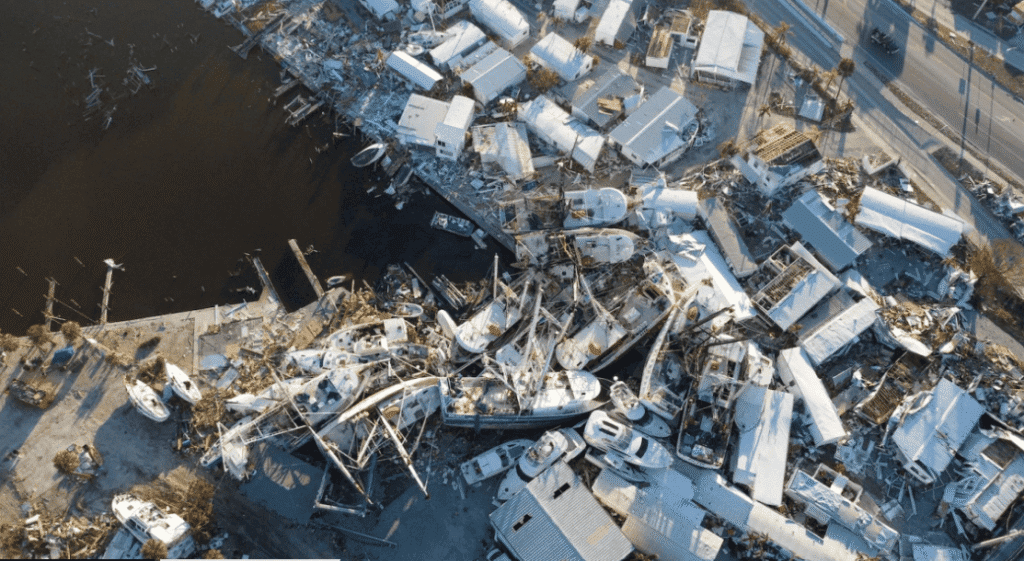
Extreme weather events are increasing in frequency and intensity, yet their macroeconomic impacts remain poorly understood. This column argues that the highly localised nature of
The missing link: Why economic policy needs organisational economics

Europe faces slowing growth, ageing populations, and structural shifts. This column discusses how organisational economics can illuminate the impact of structural forces on Europe and
Empowering adult learners: Navigating digital skills in the AI era

According to the World Bank, one-third of the global population, roughly 2.6 billion people, live in “digital darkness,” meaning they lack access to the internet. Even European Union