

Not all reserves are born equal: Why the source matters for sovereign risk
Emerging market economies hold foreign exchange reserves to insure against currency crises and to cushion exchange rate movements. Reserves are generally associated with lower sovereign
Hungary has room to streamline public spending without hurting growth

Cutting some state operating and economic spending to the average of its regional peers could save Hungary more than four percent of GDP. Hungary’s new
Beyond borders, within societies: Inequality and the global transmission of US monetary policy

Understanding how US monetary policy is transmitted to foreign economies has long been a challenge for policymakers and researchers. This column shows that the domestic
The devil is in the tail: How firms’ beliefs about rare macroeconomic disasters shape investment

Little is known about how firms think about rare macroeconomic disasters and how these beliefs shape their decisions. This column uses survey evidence from a
Building Resilience in Europe and Central Asia: A Smart Investment for Growth and Jobs

The data is clear: Investments in adaptation and resilience deliver high economic returns but remain insufficient and poorly targeted. Evidence shows that targeted, early investments
Fiscal drag in Europe: How inflation is quietly affecting public revenue
The 2022 inflationary spike in Europe has brought renewed interest in fiscal drag. Using harmonised microdata for 21 European countries, this column documents that the
Six ways to make tourism projects work for people, places, and prosperity

Tourism generates 10 percent of global GDP and supports 1 in 10 jobs worldwide. Because of this, it’s a key sector of interest for the
Europe’s public finances in a warming world

Climate change is increasingly shaping macro-fiscal outlooks. Extreme weather events, chronic damages from global warming, and decarbonisation efforts all have growing implications for public finances
European and Chinese exports kept growing despite the 2025 Trump trade shock
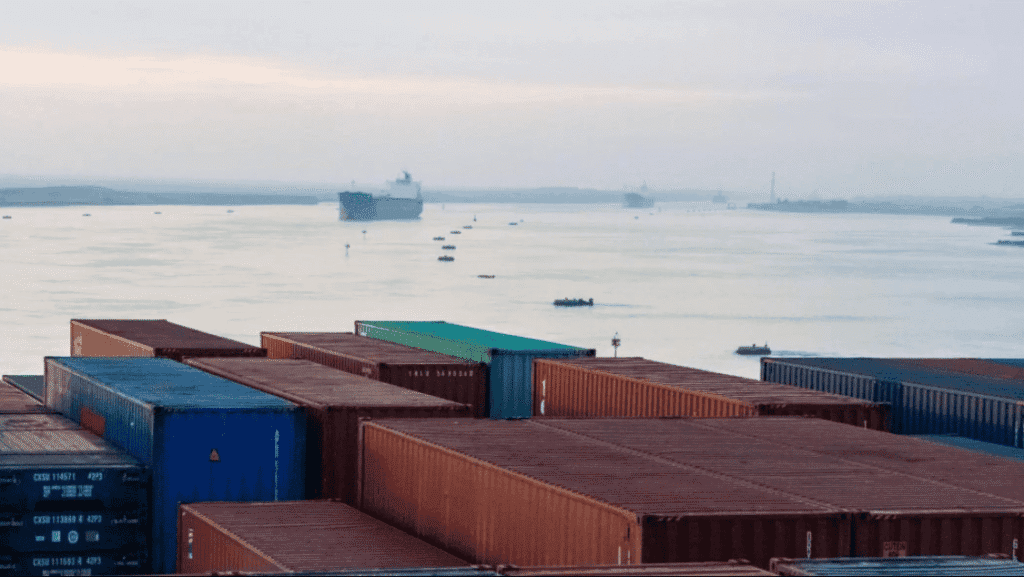
Diversification has kept global trade strong, despite Trump’s tariffs and accelerated US-China decoupling. One of the main ways in which the economic policies of the
You only live twice: A growth strategy for Ukraine

Between regaining independence in 1991 and the Russian invasion in 2022, Ukraine went from being on par with the more prosperous economies of the former