


Measuring what work generative AI does: Survey evidence versus chat logs

The chat logs of AI companies are often used to measure what work AI actually does. This column uses a nationally representative US survey that
How minimum wages reshape firms and their productivity from within

How far can minimum wages rise without damaging jobs and output? This column uses evidence from France to show that firms respond not only by
The European Union’s automotive sector needs a plan, not undue protection
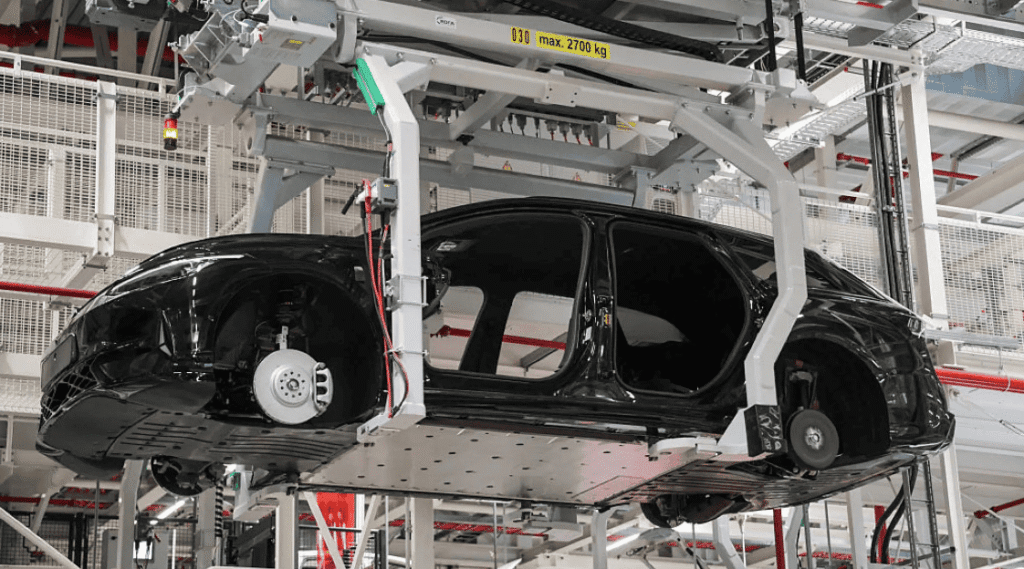
European automotive policy should prioritise affordable competitiveness over protectionism, using resilience criteria and temporary safeguards. The European automotive industry faces significant challenges: electrification, Chinese competition
New jobs in 140 years of data: Why the AI displacement fear is overstated — and what to worry about instead

Forecasts of AI-driven job destruction rest on counting automatable tasks. But labour markets hire, pay, and fire whole occupations, not tasks – and occupations have
Inside the automotive supply chain: Empirical evidence from Italian business-to-business trade data

Europe’s automotive industry is undergoing a significant transformation. This column uses firm-to-firm data to map the Italian automotive supply chain, covering both direct suppliers and
A view to a kill…ing of productivity: The allocative cost of war in Ukraine

Estimates of the cost of Russia’s war on Ukraine are dominated by what the war destroys. This column measures a second cost: the labour and
Growth through innovation bursts: Why industrial policy should not bet on size

Industrial policy is back on the agenda across advanced economies, with a growing channelling support towards large incumbent firms on the premise that they are
Inflexibility and the stalled progress of American women in the labour market

The labour force participation of women in the US peaked in 1997 and has stagnated since. This column argues that workplace inflexibility is the common
Beyond exposure: Predicting AI adoption based on comparative advantage

Predictions about the workplace impact of artificial intelligence often begin with what the technology can do captured by occupations’ exposure to AI. Using representative data
The Inflation Reduction Act’s regional incentives promoted green investment, but did not create jobs

The US Inflation Reduction Act’s Energy Communities provisions aimed to increase clean-energy investment in areas vulnerable to the energy transition, create jobs, and build political