


At risk or responsive: Rethinking unemployment policy

Public services increasingly use predictive algorithms to direct scarce support towards those most at risk. But are these also the people who benefit most from
Ideas and firm dynamics when it takes two to tango

Innovation has increasingly become a team activity, while inventors have become more concentrated in large firms. This column argues that these trends are closely connected.
Worker-managed firms can curb inequality and protect free markets

Rising income inequality in Western high-income countries threatens democratic governance and social cohesion, and AI risks making it worse. Drawing on a forthcoming book, this
The adjustment of the Danish labour market to AI has begun

Policymakers are asking whether generative AI is reshaping labour demand, and the literature has found mixed results so far. This column links Denmark’s official IT-use
Bonding through crises with nonbank financial institutions

Nonbank financial institutions are often seen as procyclical lenders, cutting credit more sharply than banks during stress, while bond markets can substitute for bank lending
Measuring what work generative AI does: Survey evidence versus chat logs

The chat logs of AI companies are often used to measure what work AI actually does. This column uses a nationally representative US survey that
How minimum wages reshape firms and their productivity from within

How far can minimum wages rise without damaging jobs and output? This column uses evidence from France to show that firms respond not only by
The European Union’s automotive sector needs a plan, not undue protection
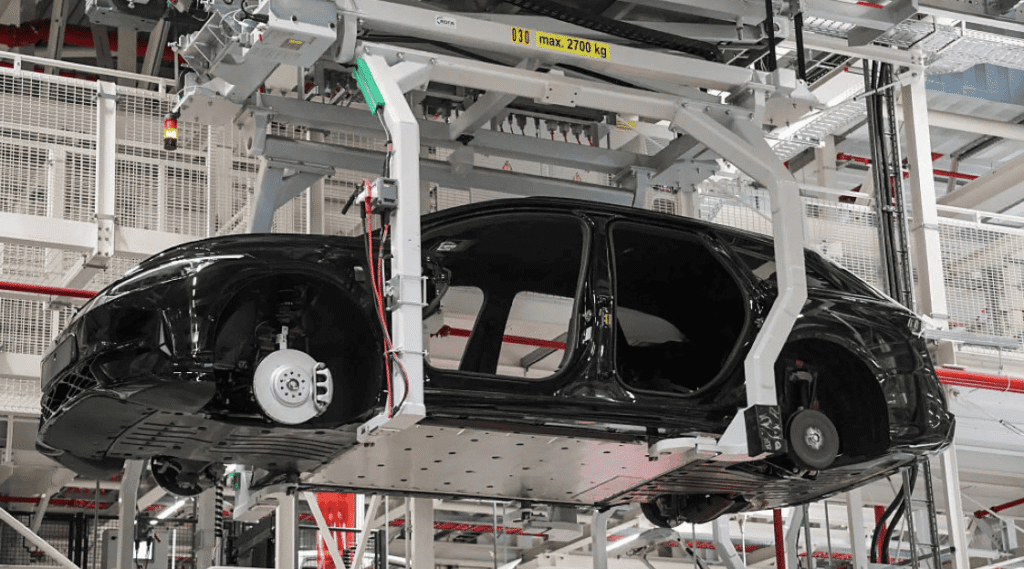
European automotive policy should prioritise affordable competitiveness over protectionism, using resilience criteria and temporary safeguards. The European automotive industry faces significant challenges: electrification, Chinese competition
New jobs in 140 years of data: Why the AI displacement fear is overstated — and what to worry about instead

Forecasts of AI-driven job destruction rest on counting automatable tasks. But labour markets hire, pay, and fire whole occupations, not tasks – and occupations have
Inside the automotive supply chain: Empirical evidence from Italian business-to-business trade data
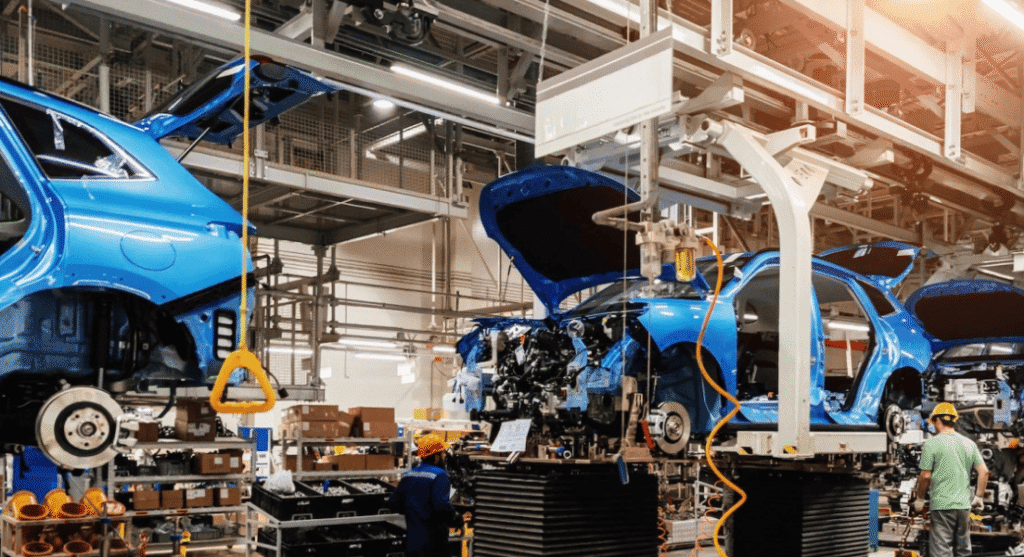
Europe’s automotive industry is undergoing a significant transformation. This column uses firm-to-firm data to map the Italian automotive supply chain, covering both direct suppliers and