
Insuring the world of tomorrow
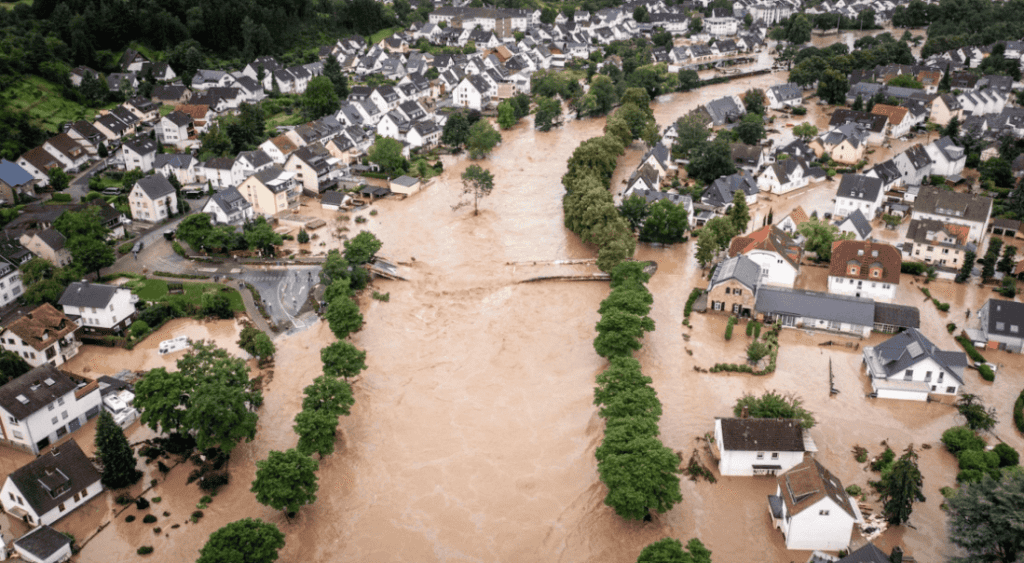
Intensifying climate extremes are exposing growing gaps in insurance coverage and threatening financial resilience. Drawing on a recent panel hosted at the Collège de France,
Housing and fertility

Global fertility rates are falling, with major economic consequences. Conventional policies like parental leave and financial incentives have had limited impact. This column presents new
The overlooked economic value of adult informal care

Unpaid care provided by family members or friends remains the predominant form of support for older people in Europe. This column examines ways to measure
Early school-leaving and dismal life events: Homelessness, incarceration, and substance use

Preventing early school-leaving can enable disadvantaged youth to break cycles of multi-dimensional disadvantage. This column analyses a sample of Australians with high rates of early
Completing Ukraine’s reconstruction architecture
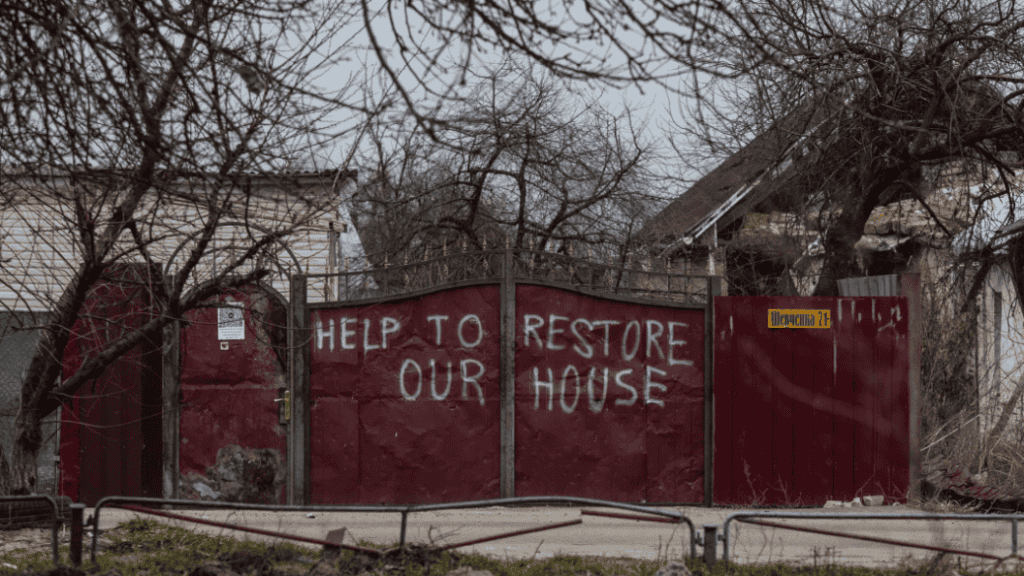
Reports that the Russian war in Ukraine may end this year reinforce the necessity of planning Ukraine’s post-war reconstruction. This column takes stock of what
Contracts in the reform of the EU electricity market

Fighting global warming requires huge investments in decarbonated energy generation. To address this challenge, the European authorities introduced a regulation promoting the use of long-term
Non-trade objectives in trade agreements and sustainability goals

Trade agreements increasingly include a focus on sustainability goals. This column examines the impact of environmental, labour, and civil rights provisions in trade agreements on
Gender bias in access to finance and implications for capital misallocation
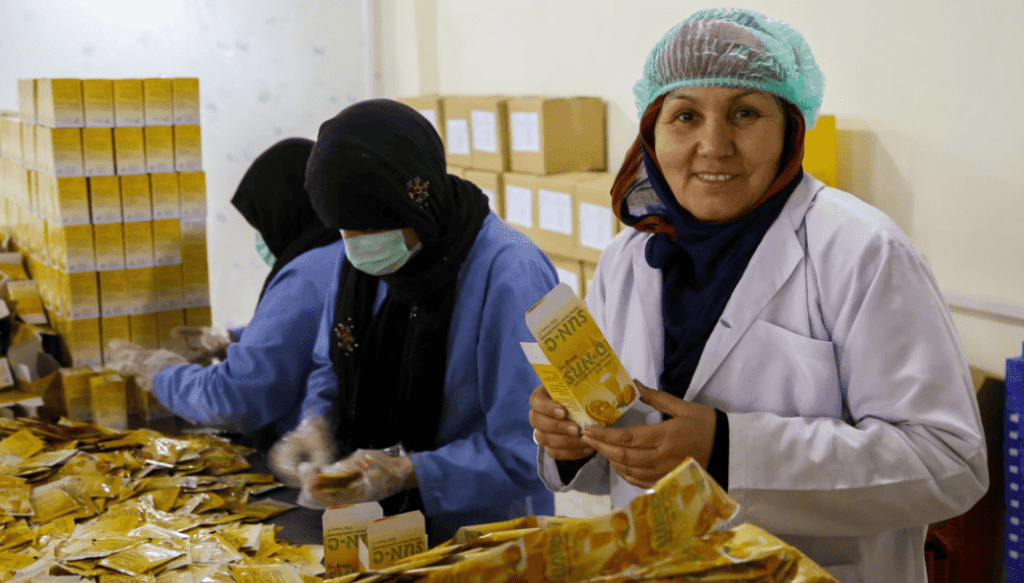
Access to finance is essential for firm growth, but women-led businesses often face significant demand-side and supply-side barriers to access. This column presents an analysis
Addressing European competitiveness: Investment, integration, and simplification

In an increasingly volatile global landscape, there is an urgent need to enhance Europe’s competitiveness and address its security needs. This column, drawing on the
The COVID pandemic and public support for the euro
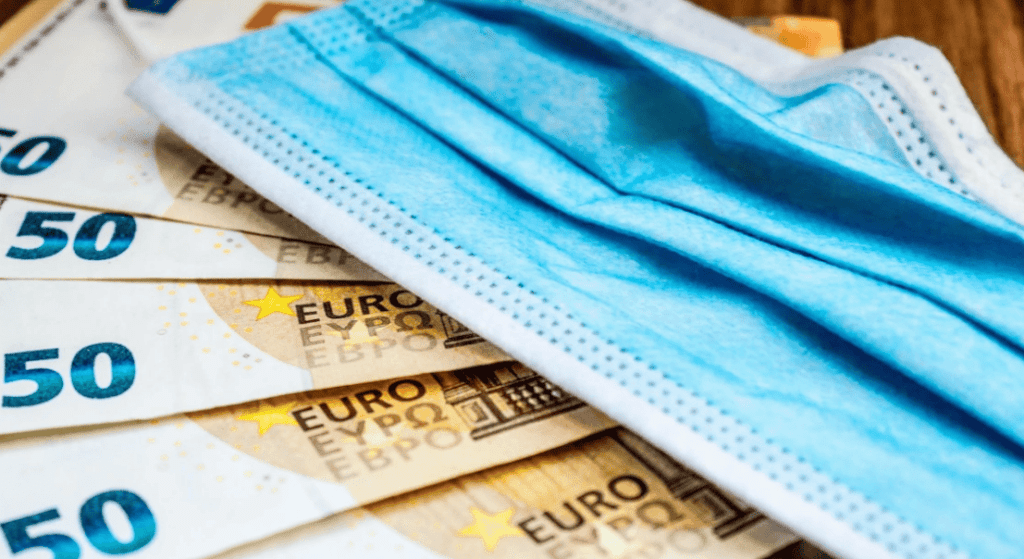
The COVID pandemic had disastrous effects on health and economic activity worldwide. In the euro area, mandatory lockdowns contributed to a sharp fall in production