
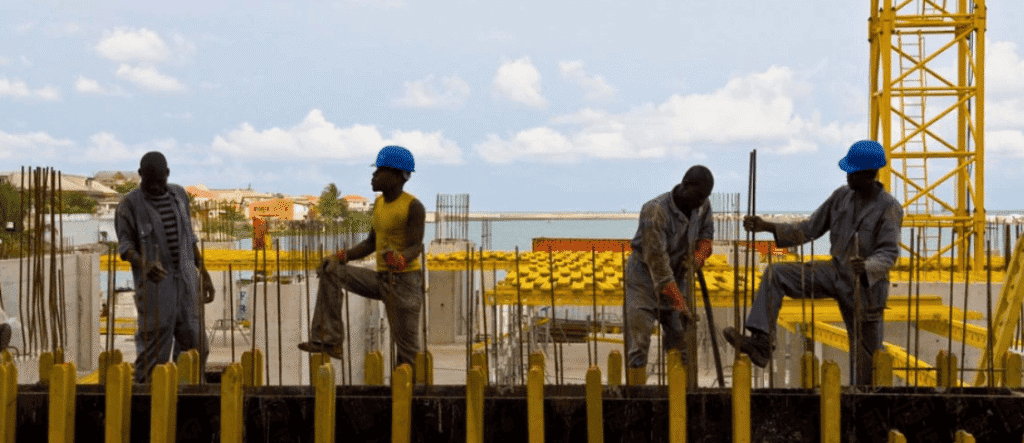
Will electric vehicles create jobs in South Asia?

As the global shift toward electric mobility gains momentum, countries are making bold bets on electric vehicles (EVs) to meet their climate goals, reduce fuel
Beyond fragmentation: Building self-reliance in a shifting aid landscape
The global development landscape is undergoing seismic shifts. Foreign aid, a critical lifeline for billions, is shrinking, after becoming fragmented at an alarming rate over the
From open data to AI-ready data: Building the foundations for responsible AI in development

The production and use of development data have undergone significant transformation over the past two decades. The shift from paper-based records to digital formats has
Beyond fragmentation: Building self-reliance in a shifting aid landscape
The global development landscape is undergoing seismic shifts. Foreign aid, a critical lifeline for billions, is shrinking, after becoming fragmented at an alarming rate over the
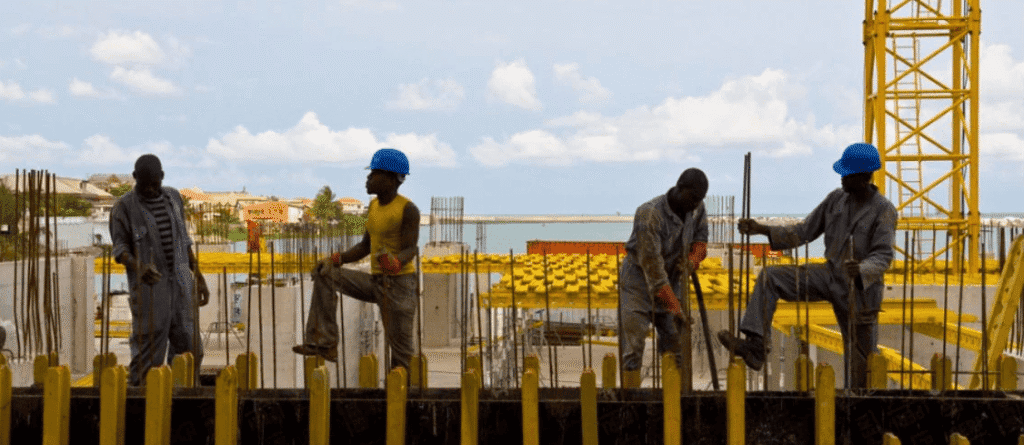
Will electric vehicles create jobs in South Asia?

As the global shift toward electric mobility gains momentum, countries are making bold bets on electric vehicles (EVs) to meet their climate goals, reduce fuel
Africa’s path to claiming the 21st century runs through its cities

In their recent blog Can Africa Claim the 21st Century?, Andrew Dabalen and Chorching Goh rightly highlight Africa’s moment of opportunity: a convergence of global attention,
Transmission of foreign shocks to import prices in firm-to-firm networks

A key question in the context of a trade war is whether the burden of tariffs falls on foreign exporters or domestic importers. This column
Trade and Development Chart: Exports to developing economies drive rich-country employment growth
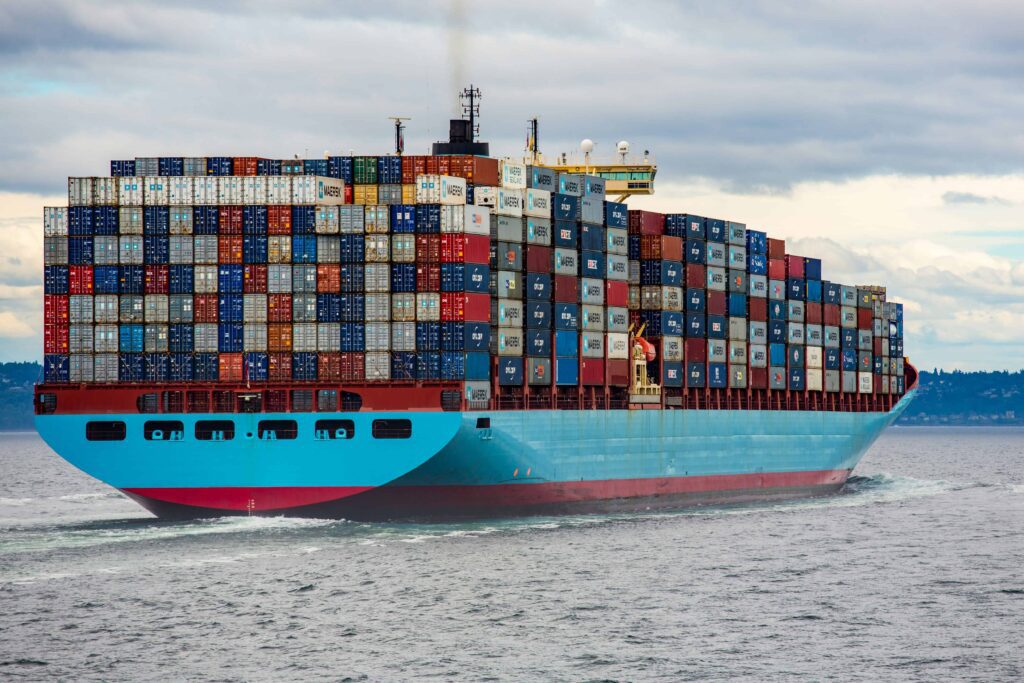
As global trade expands, so does the number of workers in high-income countries whose jobs are tied to exports. More of that growth is generated by
HSBC agrees to sell $7.8 billion of French mortgages to Rothesay

HSBC has agreed to sell 6.7 billion euros ($7.81 billion) worth of French home loans to British insurer Rothesay and consortium partner CCF Group, the
Italy’s UniCredit says it is withdrawing bid for Banco BPM
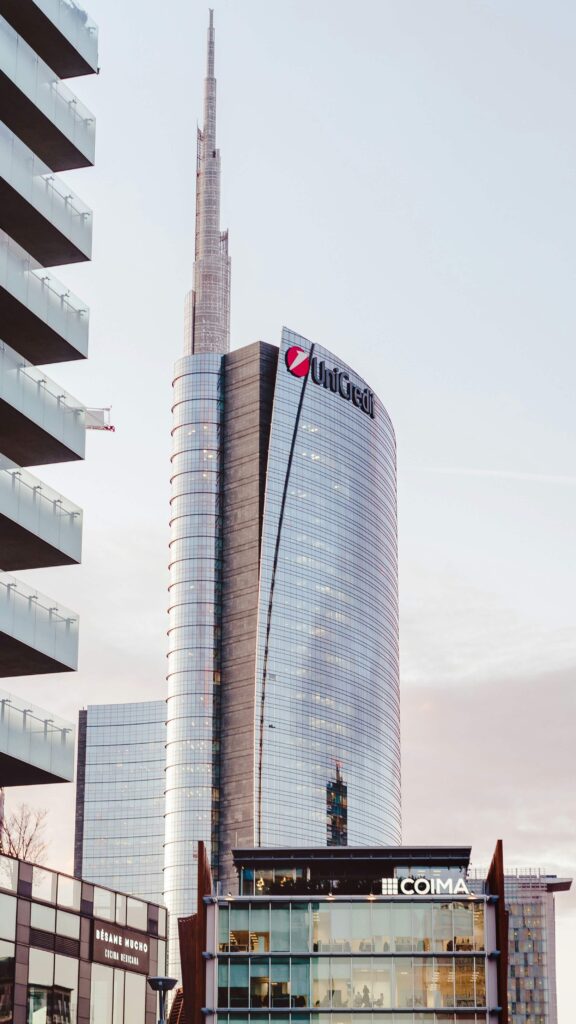
UniCredit on Tuesday said it was withdrawing its 14.6 billion euro ($17 billion) all-share bid for Banco BPM. Italy’s second-biggest bank said in a statement