

The scramble for critical minerals: An old curse in a new world

Lithium, cobalt, nickel, copper, and rare earth elements are reshaping global trade and great-power politics in ways reminiscent of the earlier scramble for natural resources.
Creating Jobs Through a Business Plan Competition: Does it matter how entrepreneurs are selected and how much funding they are given?

Of the estimated 244 million firms in Africa, 232 million (95%) are own-account businesses consisting of only the owner, and a further 7.7 million (3.1%) have
Beverage prices retreat as supplies recover

Coffee prices continued to ease in 2026Q2, helped by stronger global supply prospects and the removal of U.S. tariffs on Brazilian imports earlier in the
The economic footprint of Europe’s defence build-up
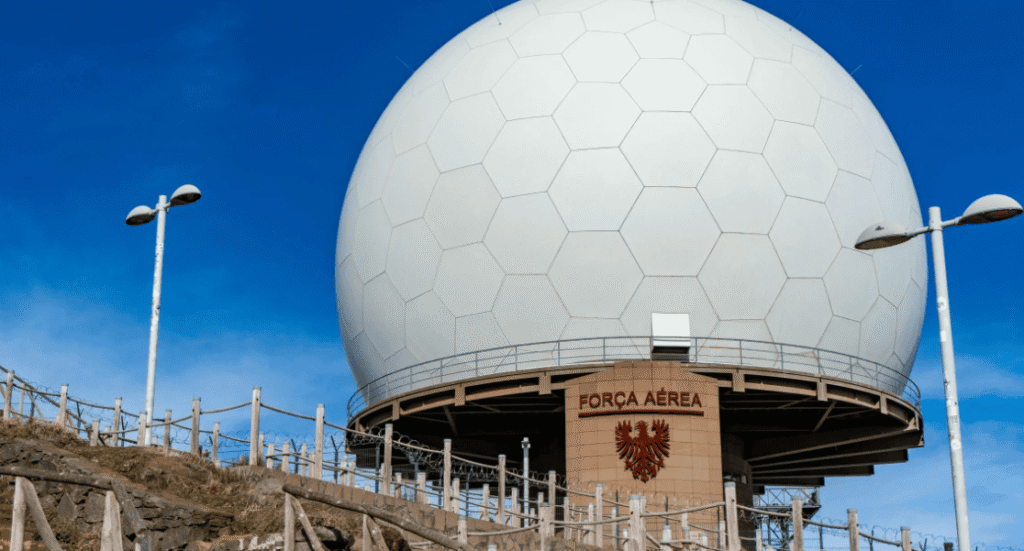
Defence policy is usually discussed as a national security issue, but its economic effects are often highly local. This column presents new evidence from 1,011
China’s accession to the WTO increased pollution via coal powerplants, not exporters or their suppliers and consumers
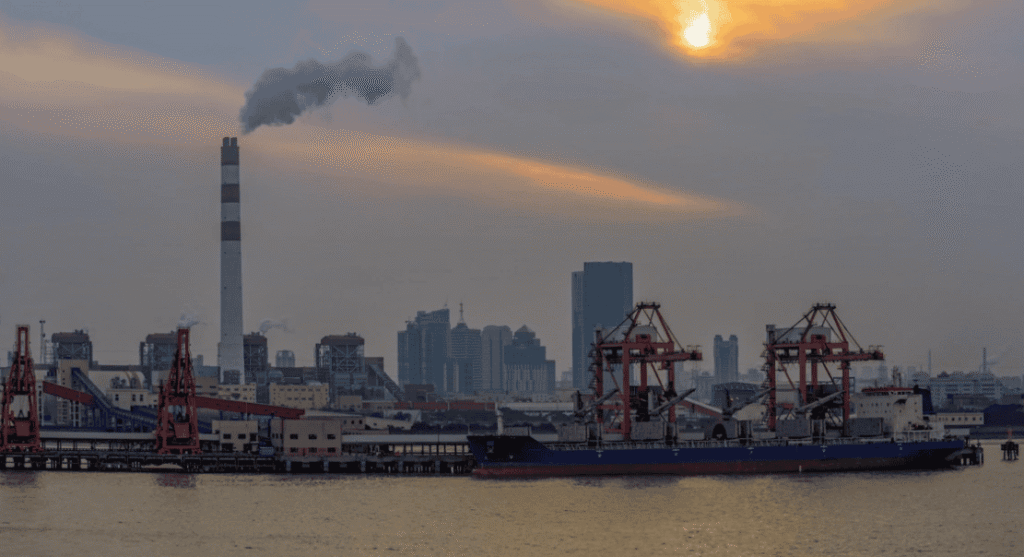
As countries consider trade deals to foster development, the question of how trade impacts pollution keeps resurfacing. This column examines how China’s rapid entry into
The impact of global versus regional energy shocks on the EU
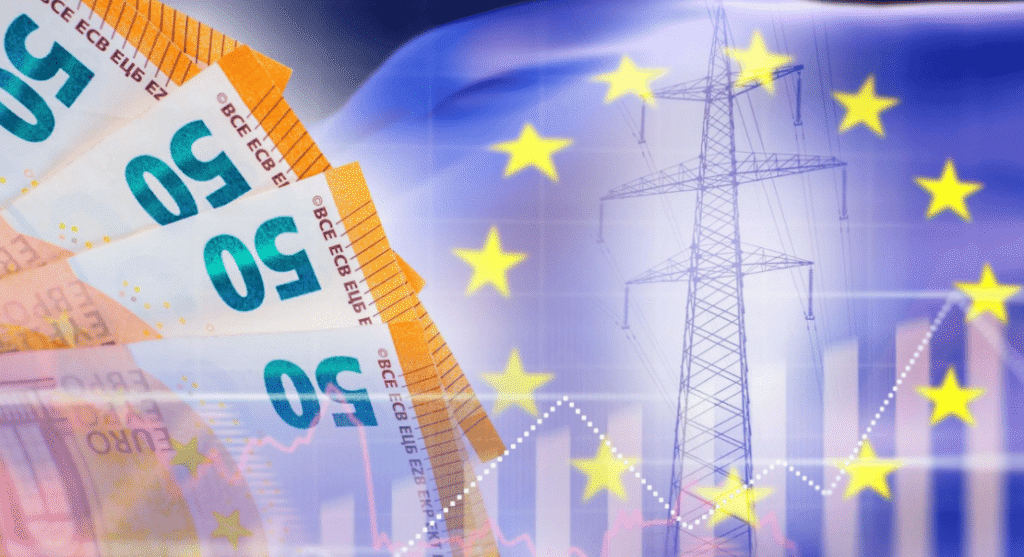
Not all energy shocks are alike. This column uses a multi-country, multi-sector DSGE model with production networks and trade linkages to compare a Europe-centric regional
Europe’s ungoverned space: Military AI and the autonomy that cannot be bought

European defence ministries and intelligence services run on infrastructure they do not control and cannot independently audit – a situation highlighted by the US administration’s
Trade restrictions, trade policy uncertainty and FDI flows

Trade policy has become a major source of macroeconomic risk. The sharp rise in trade restrictions and the growing unpredictability of trade rules are reshaping
The impact of trade wars on firms in third countries
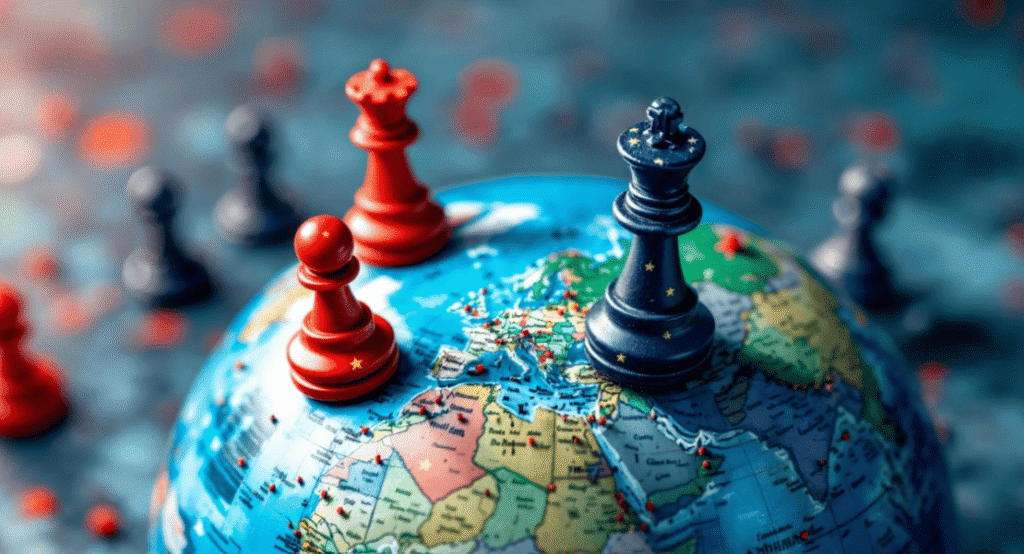
Bilateral trade shocks may reallocate demand and competition across countries, creating spillovers for firms in bystander countries. To study how firms respond to trade shocks
Europe must prepare for a possible oil supply crunch
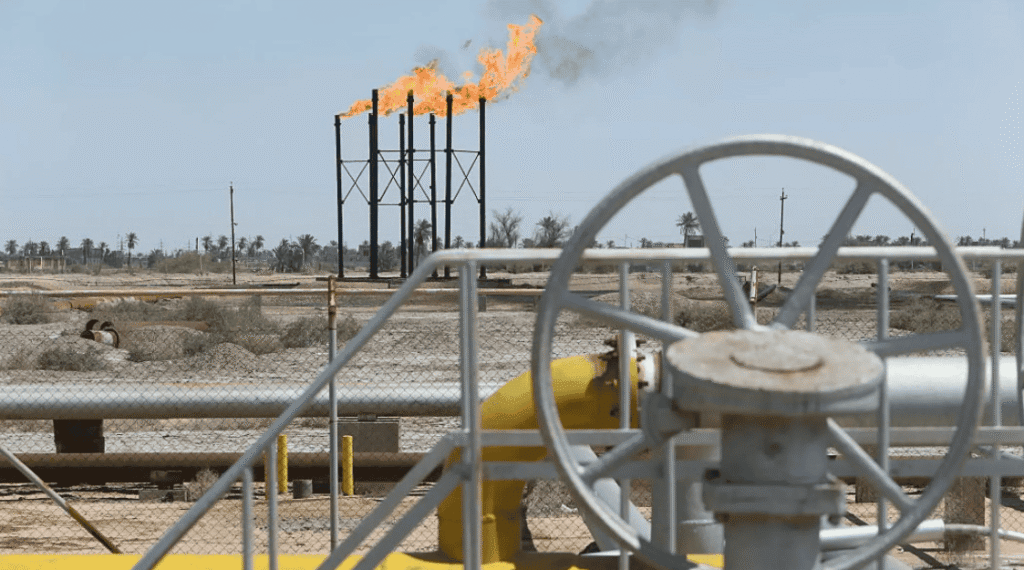
With falling commercial and emergency oil reserves, Europe’s oil price shock could soon become a volume crisis – a scenario for which it must prepare.