

Firms, family-friendly policies, and fertility

Family-friendly policies often aim to make it ‘easier’ to have children, yet little is known about how firms respond to such policies. This column develops
Transmission of foreign shocks to import prices in firm-to-firm networks
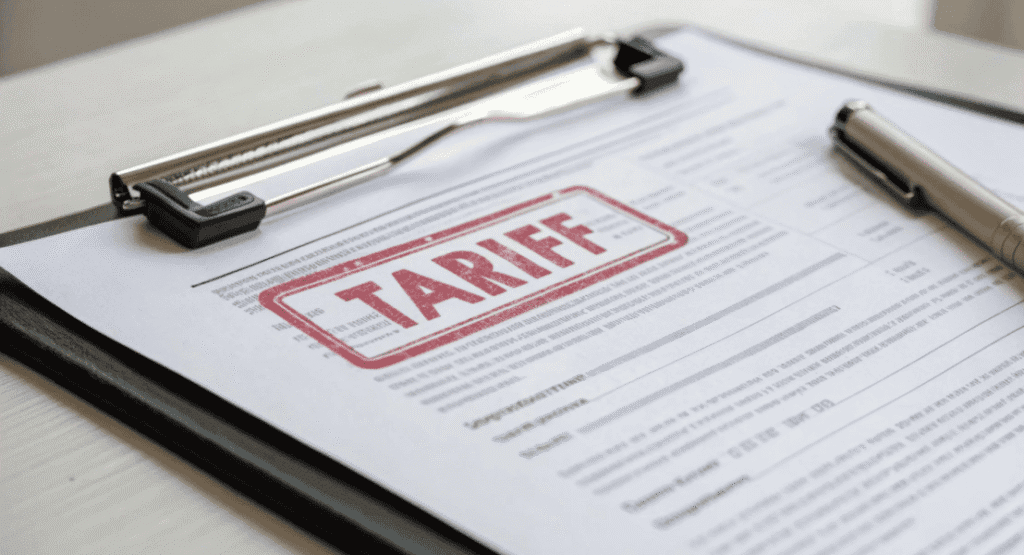
A key question in the context of a trade war is whether the burden of tariffs falls on foreign exporters or domestic importers. This column
Lessons for rebuilding Ukraine from economic recoveries after natural disasters
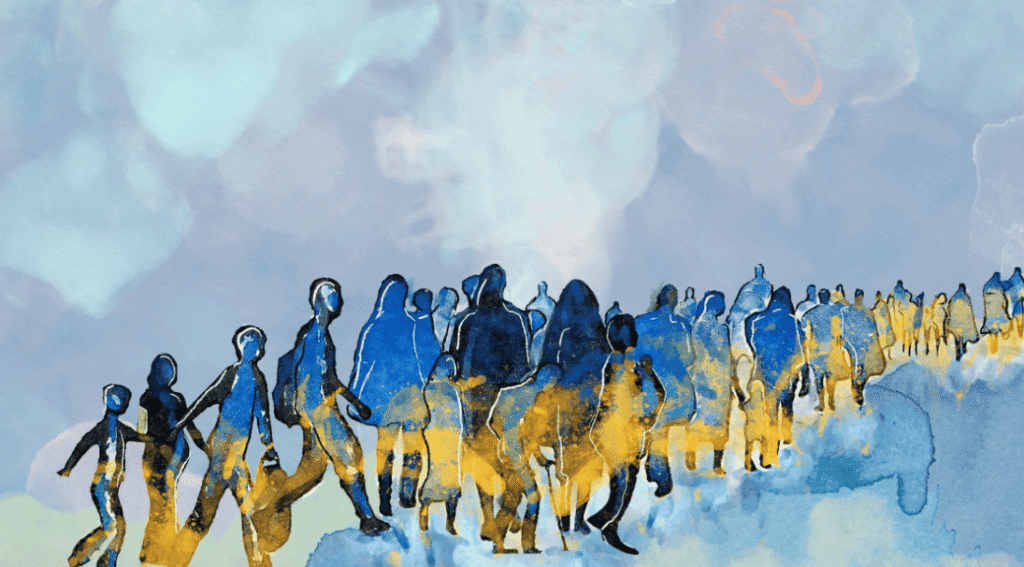
Although the source and duration of the destruction differ, wars and natural disasters disrupt economies in similar ways. This column examines the effects of natural
Understanding country income: World Bank Group income classifications for FY26 (July 1, 2025–June, 2026)

Every year, the World Bank Group classifies the world’s economies into four income groups: low, lower-middle, upper-middle, and high. These classifications, updated each year on July
The state of globalisation: A new eBook

Three forces have always shaped globalisation – technology, policies, and geopolitics. What distinguishes the current moment is that all three are accelerating simultaneously but in
Generative AI in universities: Grades up, signals down, skills in flux
Student use of artificial intelligence is reshaping learning and redefining the skills of future workers. This column examines the impact of generative AI tools on
Employment protection legislation reforms and the rising cost of job loss
A widely cited argument in favour of easing employment protection rules is that greater flexibility in hiring and firing can lead to increased job matching
How the EU should plan for global trade transformation
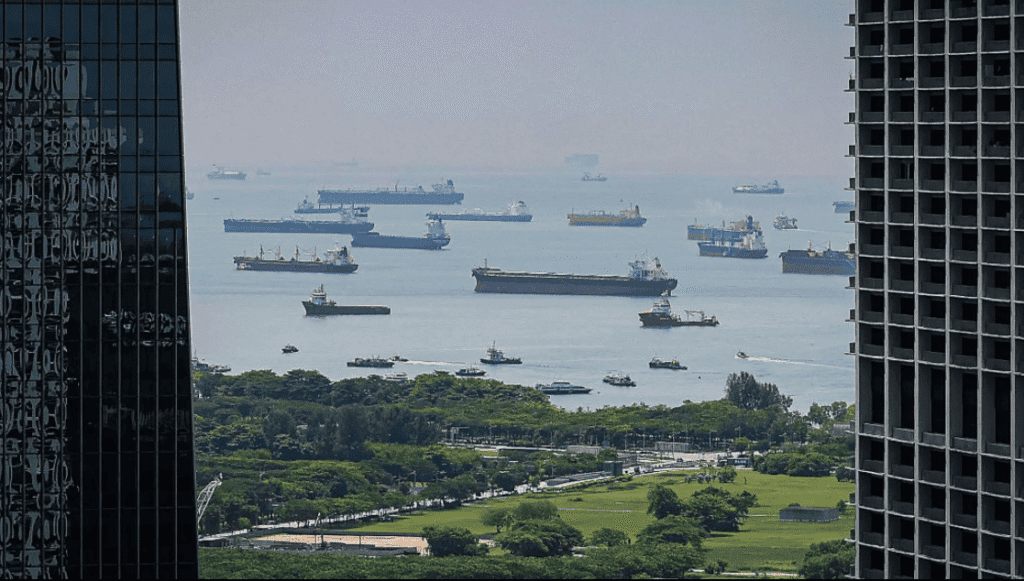
The major turbulence being experienced by the world economy could lead to a global recession and the collapse of the norms and institutions that have
Sovereigns on thinning ice: debt sustainability, climate impacts and adaptation

A fundamental problem for sovereigns enacting climate policies is whether they can manage increasing debts as their economies suffer from adverse climate impacts. We develop