


To what extent can green infrastructure investment mitigate China’s clean-energy overcapacity?
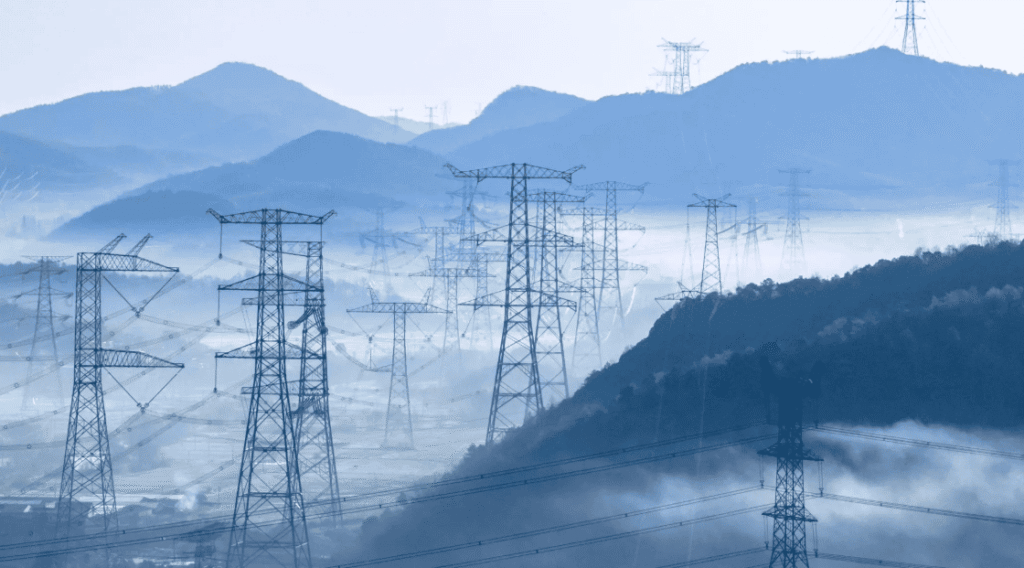
China’s green industrial strategy has outpaced demand, leaving renewables firms under strain and grid expansion as the key test of market rebalancing. China’s industrial policies
Femicides, anti-violence centres, and policy targeting

Local responses to gender-based violence, with femicide as its most extreme form, remain uneven across Europe. This column combines machine-learning forecasting with policy evaluation to
Beyond emergency responses: Why local context matters for refugee allocation

A growing body of evidence shows that rising inflows of immigrants and refugees can trigger political backlash. This column examines how local economic and cultural
Electoral systems and immigration policies

Immigration has become one of the most salient issues in political debate. This column uses evidence from Italian municipal elections to highlight the role of
Global cooperation shows resilience despite geopolitical headwinds
The 2026 Barometer indicates that the overall level of cooperation has largely been unchanged in recent years but the composition of cooperation appears to be
Raising employment among women and older workers: A policy lever for ageing economies

Declining working-age populations are set to weigh on growth across economies where the European Bank for Reconstruction and Development invests and beyond, with demographic projections
Hidden exposures in domestic supply chains: The spread of foreign trade risks

Understanding how foreign shocks affect economies has become a policy priority. Using domestic firm-to-firm transaction data matched with customs records, this column shows that Italy’s
From policy to results: How legal solutions drive development impact

Strong legal systems are essential to the goals of the world’s development agenda. They enable governments and institutions to design and implement the policies, laws, and
Public R&D and Brazil’s agricultural revolution

It is often argued that returns to R&D are low in developing countries, making imported technologies a better path to growth. Yet technologies designed for
IMF chief says global economy doing ‘better than feared,’ risks remain
IMF Managing Director Kristalina Georgieva said the U.S. economy had dodged a recession feared by many experts just six months ago. The world economy has