

The quality of capital allocation in Europe

Europe’s investment debate tends to ask how much capital can be mobilised and how quickly. Allocation quality also depends on who receives capital and on
The energy transition: Progress and challenges

Solar and wind have become the cheapest sources of new electricity almost everywhere, yet Europe is now switching them off in record numbers. This column
Financing the startup J-curve

High-growth startups often lose money before they make it. This column examines whether differences in financing capacity are reflected in the cash flow and growth
A view to a kill…ing of productivity: The allocative cost of war in Ukraine
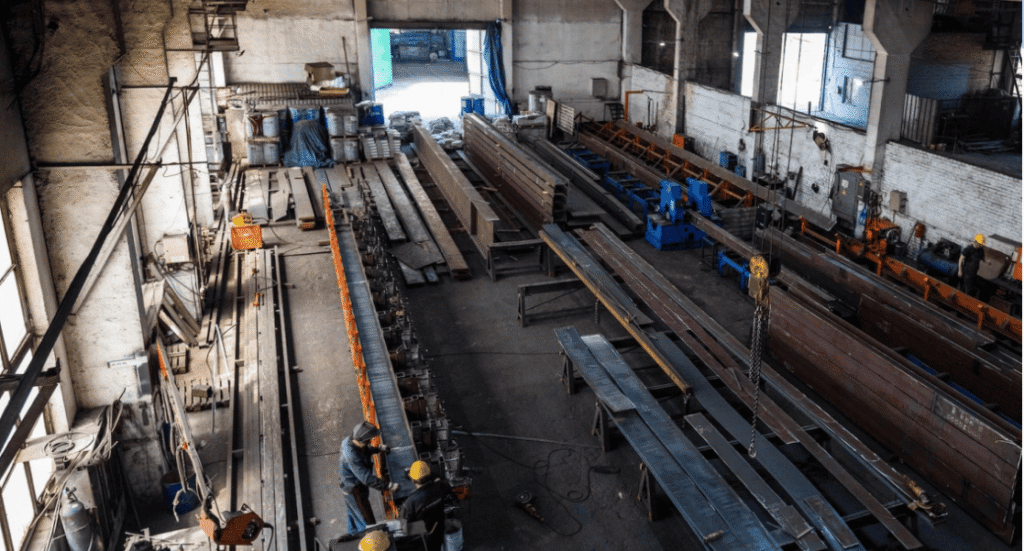
Estimates of the cost of Russia’s war on Ukraine are dominated by what the war destroys. This column measures a second cost: the labour and
The Inflation Reduction Act’s regional incentives promoted green investment, but did not create jobs

The US Inflation Reduction Act’s Energy Communities provisions aimed to increase clean-energy investment in areas vulnerable to the energy transition, create jobs, and build political
Anatomy of a supervisory failure

For its entire 15-year life as a regional bank until its collapse in 2023, Silicon Valley Bank held the same risky bet. This column argues
Digitalisation and credit markets: Evidence from eInvoicing

Governments around the world are increasingly mandating the digitalisation of business records, yet little is known about the effects of these policies beyond tax compliance.
Alphabet raises $3.9 billion in inaugural Australian dollar bond

Alphabet has raised A$5.5 billion ($3.89 billion) via its inaugural Australian dollar debt issuance, according to a term sheet seen by Reuters, adding to the hectic
Oil gains on Middle East supply concerns amid impasse in US-Iran war
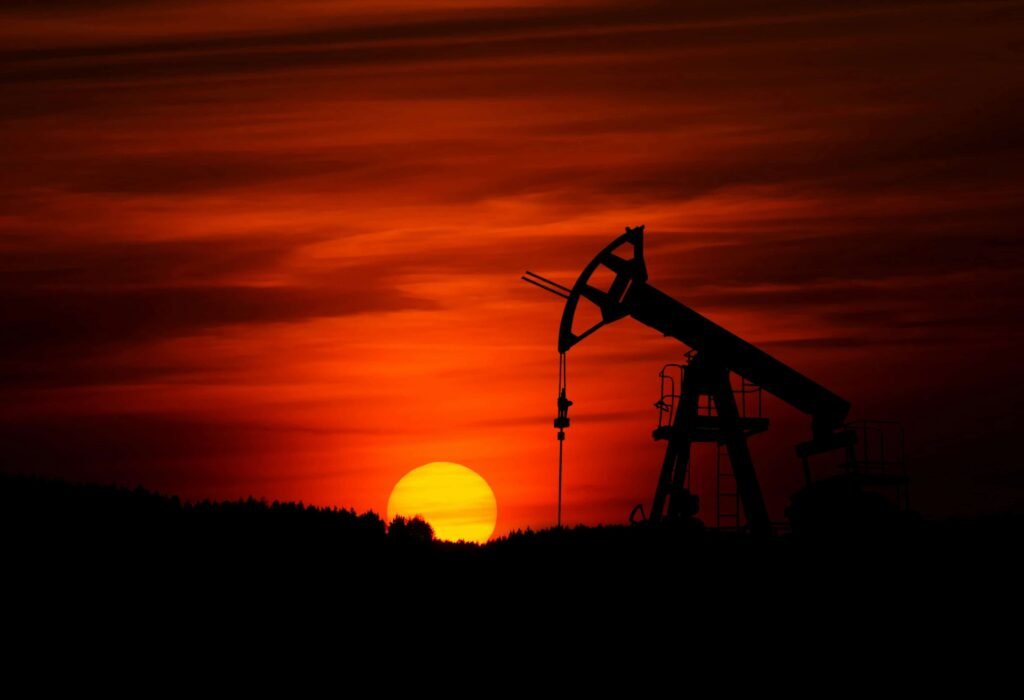
Oil prices climbed on Thursday on concerns the impasse in the U.S.-Israeli war against Iran will continue to disrupt supply from the key Middle Eastern
Commodity wealth demands a fiscal balancing act

Commodity booms are easy to celebrate but hard to manage. For resource-rich economies, commodity windfalls—if managed well—can finance investment, strengthen public finances and lift growth