
The economic value nations create for others relative to domestic gains

True economic power lies not only in what a country gains from trade, but also in how much it contributes to the prosperity of others.
Dollar dominance and the Trump administration
There is general agreement that a currency’s safe-haven status can be gauged by its response to changes in financial volatility. This column documents how, in
A Three-Pronged Strategy Can Help Developing Economies Attract FDI and Unlock its Full Potential

Foreign direct investment (FDI) plays a critical role in the world economy. Global FDI flows averaged almost $2 trillion per year during the past decade, up
US budget deficit forecast $1trln higher over next decade, watchdog says

The Committee for a Responsible Federal Budget’s latest forecasts show a cumulative deficit of $22.7trln from fiscal 2026 to 2035. U.S. federal budget deficits will
Adjusting productivity for carbon emissions: A new perspective on the growth slowdown
Productivity growth has been lacklustre over the past 20 years in most advanced economies. But standard productivity measures ignore the progress that some economies have
Measuring what matters for business: The new B-READY data in the World Development Indicators

What makes a country a great place to start and grow a business? Among low-income economies across the world, only 29% have a single centralized
Trade’s emissions paradox: What it means for developing countries

International trade plays a complex role in shaping environmental outcomes. A new World Bank paper, “Trade’s Emissions Paradox: Cutting Greenhouse Gases, Raising Air Pollution,” prepared
Transmission of foreign shocks to import prices in firm-to-firm networks
A key question in the context of a trade war is whether the burden of tariffs falls on foreign exporters or domestic importers. This column
The battle for trade currency dominance: The dollar vs the renminbi in Argentina
The US dollar has traditionally dominated the invoicing of international trade. But could other currencies one day replace it? This column examines a unique policy
Beyond tariffs: Chinese state-owned enterprises in the trade war
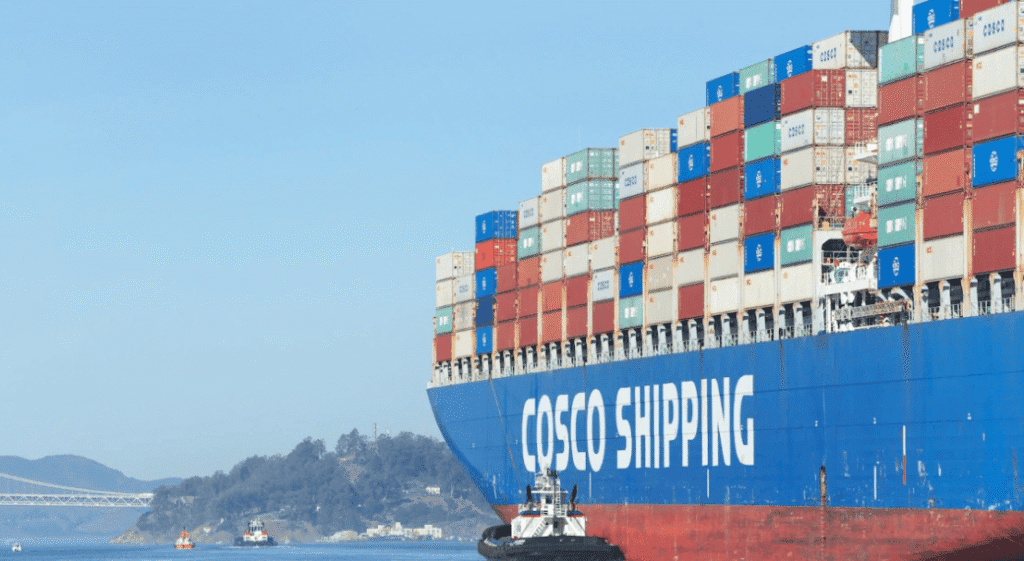
While tariffs have been the most visible policy tool during the US-China trade war, anecdotal evidence points to the use of Chinese state-owned enterprises as