
Heat, air pollution, and global temperature shocks
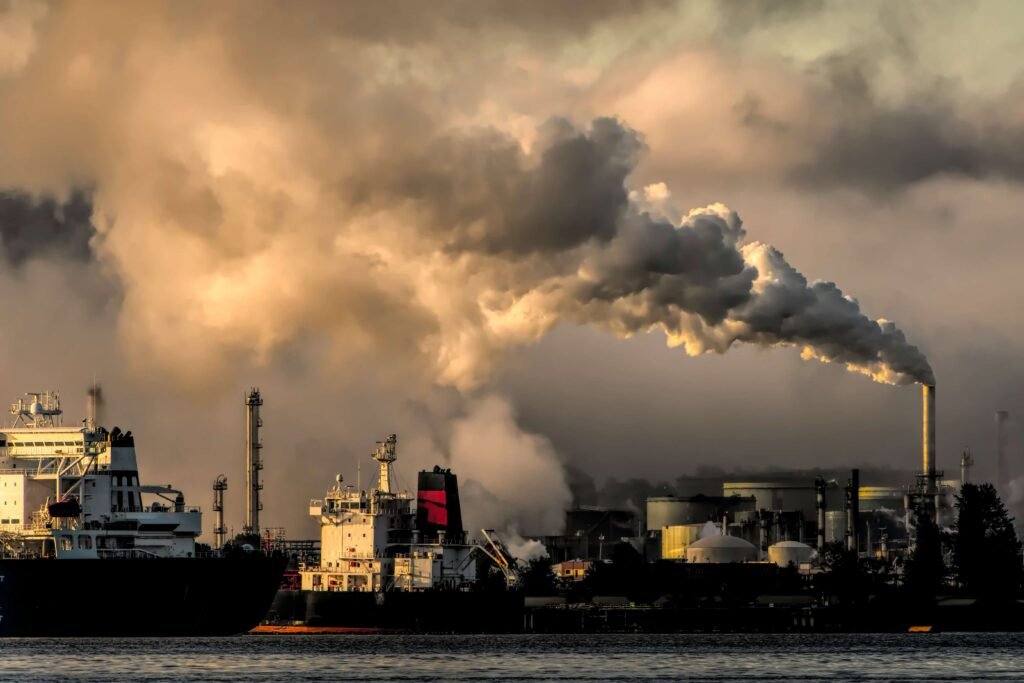
Developing countries face a host of environmental challenges, but two of the most significant are air pollution and climate change. Wealthy countries face both as
Opening the black box: What we now know about credit and poverty
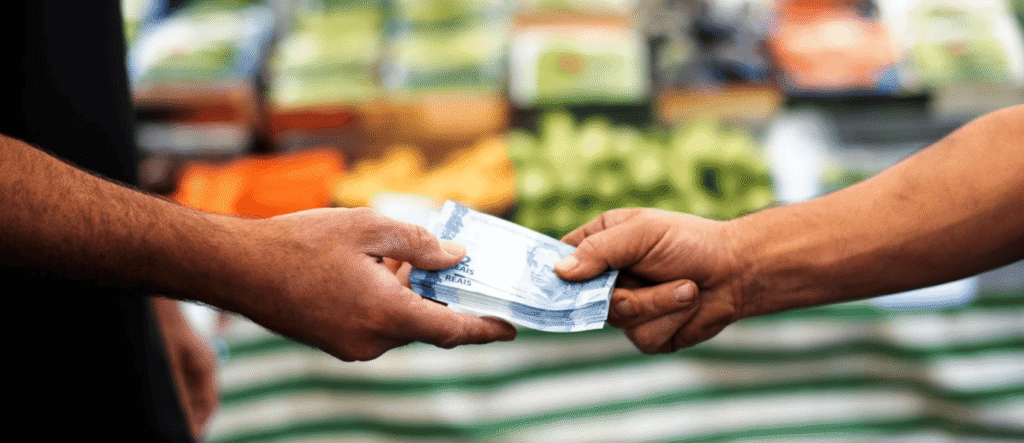
For decades, one question has dominated debates about finance and poverty reduction: does access to credit reduce poverty? The idea that loans can help households
How climate policies can speed up manufacturing decarbonisation in the Western Balkans
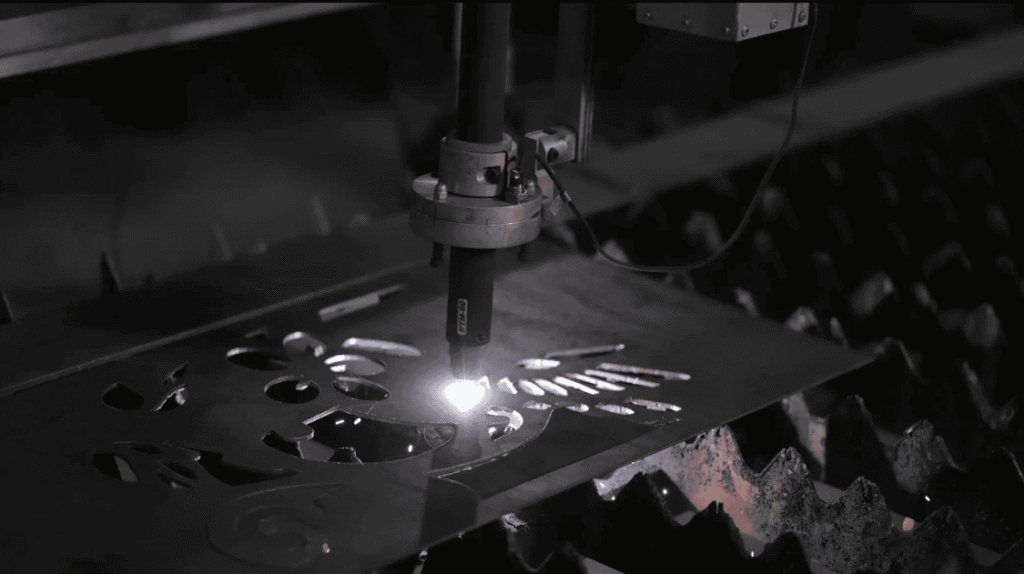
Western Balkan firms are adopting measures to reduce environmental impacts, but smaller local firms need support to comply with EU regulations. The European Union’s carbon
The cost of not innovating: Frontier AI models, cyber defence, and EU strategic autonomy

The cyber threat landscape changed dramatically in April 2026 with the emergence of frontier AI models from OpenAI and Anthropic. Access to these models was
Why we spend so much time in meetings

Few features of modern work are as widely criticised as meetings. Using data from over 9,000 workers in Norway, this column examines how meetings are
Financing the startup J-curve
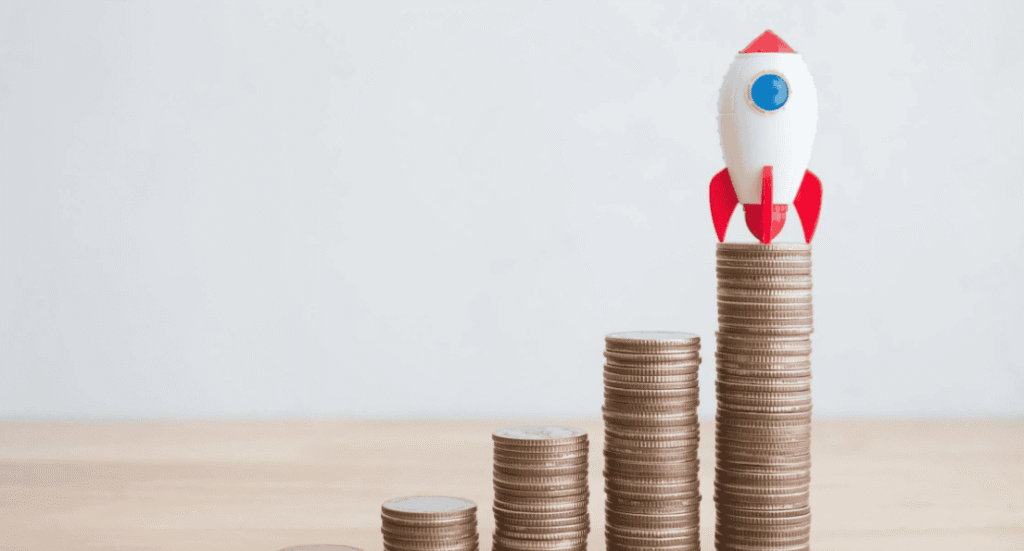
High-growth startups often lose money before they make it. This column examines whether differences in financing capacity are reflected in the cash flow and growth
How early academic rank shapes high school choices and admissions

Students with the same test score can have considerably different academic ranks depending on their school peers. Using data from the Mexico City metropolitan area,
Firms slice up global production to protect their knowhow

Imitation is a first-order concern for enterprises operating global production processes. Firms routinely source knowledge-intensive inputs from many countries, including those with weak intellectual property
Japan’s productivity transformation: From within-firm stagnation to market-driven reallocation
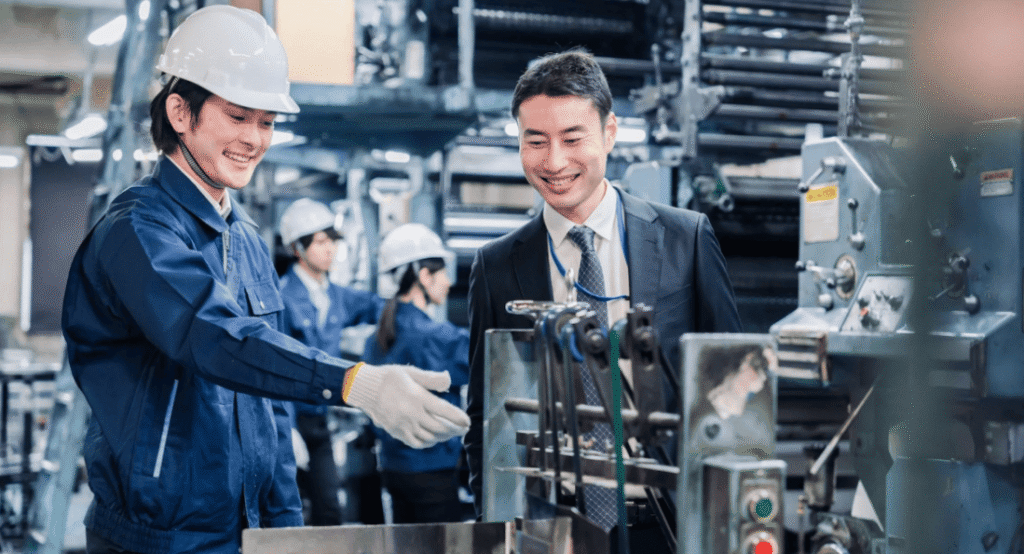
Discussions on Japan’s ‘lost decades’ have long focused on sluggish demand and the survival of ‘zombie’ firms. However, new evidence from microdata suggests a fundamental
The scramble for critical minerals: An old curse in a new world

Lithium, cobalt, nickel, copper, and rare earth elements are reshaping global trade and great-power politics in ways reminiscent of the earlier scramble for natural resources.