

JPMorgan to invest up to $10 billion in US national security as part of $1.5 trillion pledge

JPMorgan Chase announced plans on Monday to hire bankers and invest up to $10 billion in U.S. companies considered critical to national security and economic resilience
Convergence, not alignment: EU-China climate relations ahead of COP30
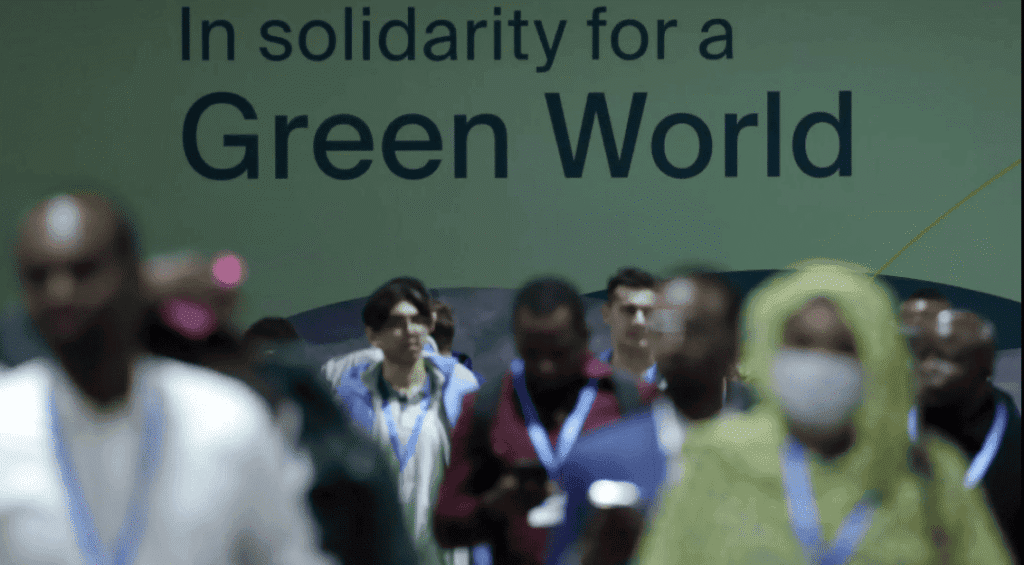
Trade and other tensions between the European Union and China should not be allowed to derail joint work to cut emissions. The COP30 United Nations
The macroeconomic impact of ageing, EU immigration policy and pension expenditures

The EU faces ageing-driven fiscal strain, slower growth and rising pension costs, making employment-focused migration increasingly vital. The European Union population is ageing increasingly rapidly,
Mobile phone ownership is widespread. Why is digital inclusion still lagging?

The increasing use of mobile phones is making a range of digital resources more widely available to people across the income spectrum. Eighty-four percent of
How the US South caught up: A century of manufacturing productivity convergence

Economic historians have long debated whether lagging regions can catch up in productivity with industrial leaders. This column shows that, under the right conditions, such
Protect to prosper: How nature-based tourism drives jobs and growth

That selfie you took on an idyllic white sand beach, in a sprawling city park, or atop a mountain range at sunset? It’s more than
Addressing food insecurity in the Middle East and North Africa: innovations in data monitoring

Food insecurity remains a critical issue affecting millions of people across the Middle East, North Africa, Afghanistan, and Pakistan (MENAAP). The region faces a wide
When the heat rises, progress on women’s economic empowerment cools

Hotter-than-usual years can slow or derail advances in women’s legal rights. A new analysis spanning five decades finds that temperature anomalies—years significantly hotter than a country’s historical
Geopolitical shifts and their economic impacts on Europe: Short-term risks, medium-term scenarios and policy choices

Over the last decade, Europe has suffered from the decay of the post-war international order, economic coercion from both China and the United States, and
Migration flows from the Western Balkans to Germany: implications and recommendations

Migration to Germany is shaping the Western Balkans for better and worse, highlighting the need for reforms to harness benefits and mitigate drawbacks. Migration has