


How fund design affects volatility – by shaping both trading and investor composition
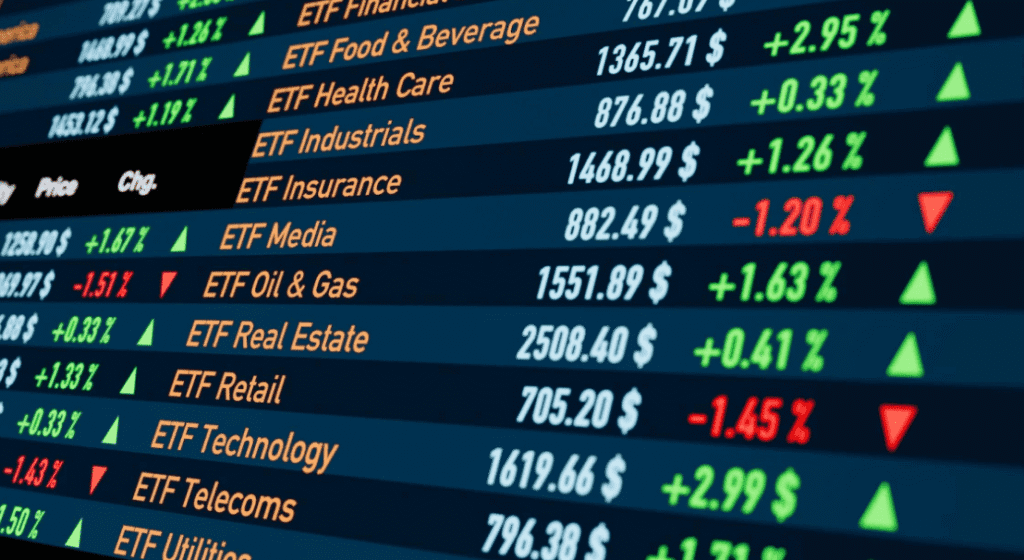
Exchange-traded funds and open-ended mutual funds have grown rapidly, and they are increasingly expanding into illiquid asset classes such as corporate bonds. This column argues
Campaign promises as political coupons: Future benefits sway – but don’t retain – voters
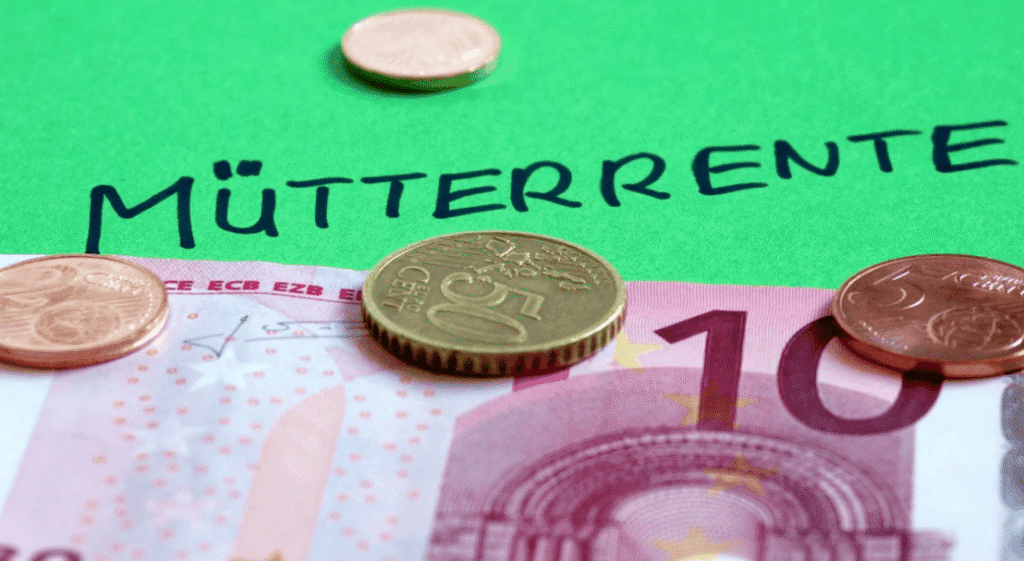
Campaign promises often capture headlines, but do they actually move votes? This column examines whether a promise to expand welfare for some mothers in Germany
Households’ subjective expectations: Disagreement, common drivers, and reaction to aggregate shocks

Understanding how households interpret macroeconomic policy is vital to the effectiveness of central banks. This column demonstrates that the reactions of individual households frequently contradict
Regulation and growth: Lessons from nearly 50 years of product market reforms

Product market regulation reforms directly affect firm entry, innovation and reallocation, and thus productivity and economic growth. This column leverages the 2025 update of the
Global action without global governance: A four-pillar strategy for climate and nature

Advanced economies alone can no longer determine climate outcomes. Emerging and developing economies – home to two-thirds of current emissions and most of the world’s
Understanding country income: World Bank Group income classifications for FY26 (July 1, 2025–June, 2026)

Every year, the World Bank Group classifies the world’s economies into four income groups: low, lower-middle, upper-middle, and high. These classifications, updated each year on July
Powering the energy future of Europe and Central Asia

The prosperity and economic transformation of Europe and Central Asia (ECA) hinge on making energy reliable and affordable for all. Across the region, many countries
The world needs radical debt transparency

Over the past two decades, many developing countries have made remarkable progress in reducing poverty, expanding access to education and health care, and investing in
How developing countries can measure exposure to the EU’s carbon border adjustment mechanism
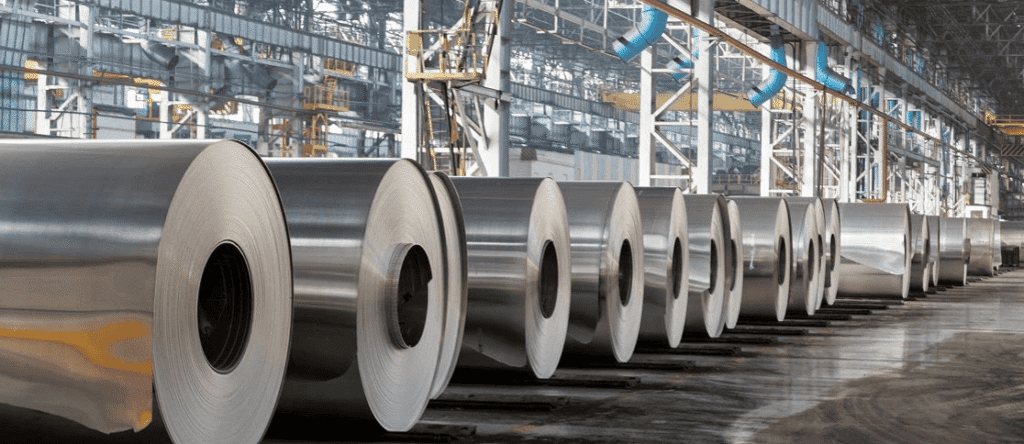
In January 2026, the European Union will require importers of certain carbon-intensive goods to pay for their products’ embodied carbon emissions. The policy, known as the
Why Childcare Matters for Women’s Jobs in the Agrifood Sector

“When I tried to find work in the handmade hammock industry, a traditional craft in my area, I only lasted two months because I had