

A new modelling approach for evaluating the Trump tariffs

There is currently much discussion about President Trump’s tariffs, the US trade deficit, and its causes and impacts, but little in the way of economic
The state of globalisation: A new eBook

Three forces have always shaped globalisation – technology, policies, and geopolitics. What distinguishes the current moment is that all three are accelerating simultaneously but in
Productivity in the export sector: Evidence from Dutch supplier networks

It is well established that exporters tend to be some of the most productive firms. But in today’s world, exporters typically rely strongly on other
Rethinking exchange rate flexibility in the post-Bretton Woods era: Evidence from a new index
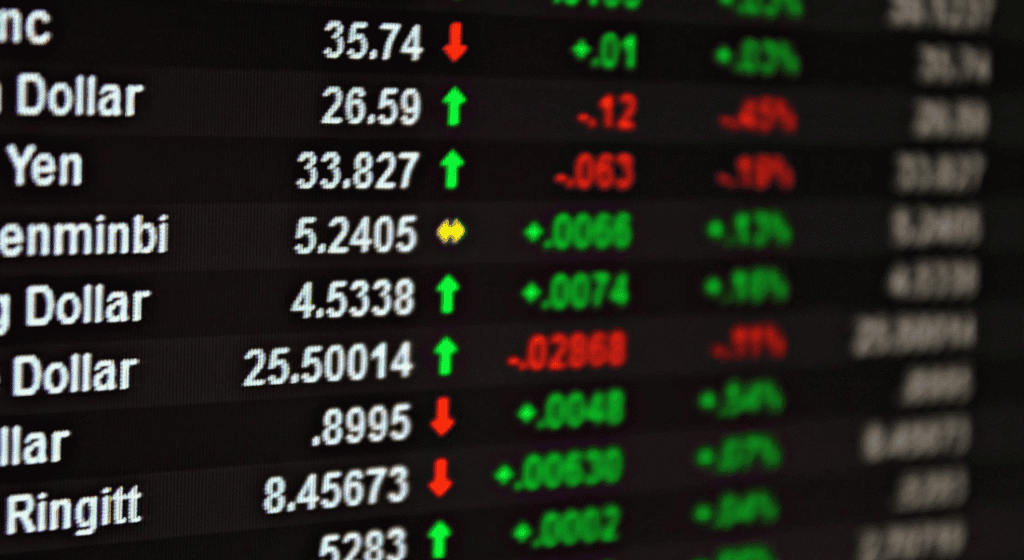
The collapse of the Bretton Woods system has traditionally been cited as heralding a major shift towards floating exchange rates. The extent of this transition
Keeping an eye on budgetary forecasts: The new Forecast Tracker of the Secretariat of the European Fiscal Board
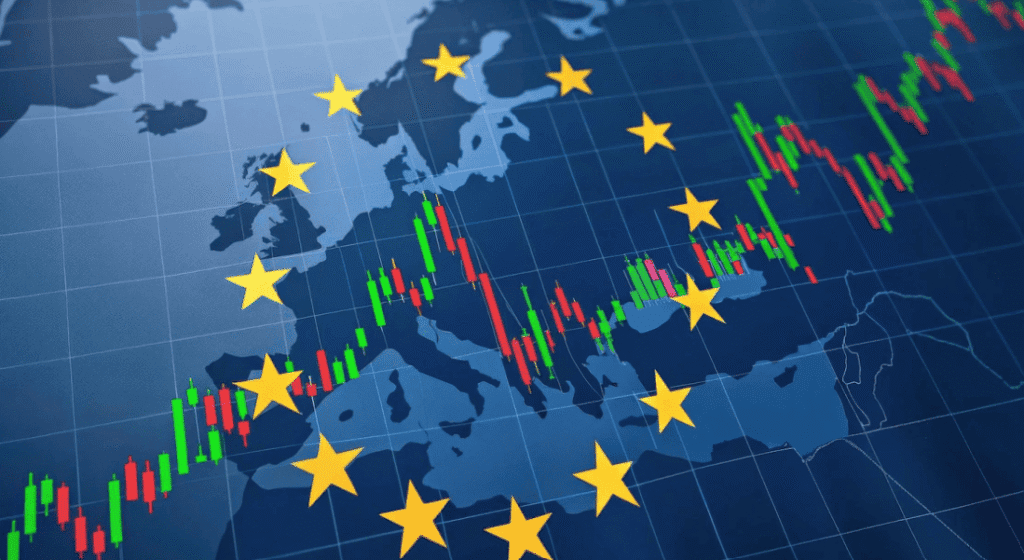
Forecasts underpinning budgetary plans have a well-documented impact on fiscal performance especially when policymakers view the world through rosy lenses. Combined with inertia in the
US investor strikes $1 billion merger to create bitcoin treasury company

U.S. investor and entrepreneur Anthony Pompliano announced on Monday the creation of a new bitcoin treasury company that would hold up to $1 billion of
European Commission to allow stablecoin interchangeability

The European Commission is set to clarify that the European Union’s crypto rules allow stablecoins issued by a company with an EU licence to be
EU eases state aid rules to boost green projects, cut carbon footprint

Businesses will find it easier to get state aid for projects aimed at cutting their carbon emissions and to switch to green projects while heavy
EU countries demand stricter controls on new CO2 price

Germany, the Czech Republic and 14 other countries have demanded the European Union introduce stricter price controls to the bloc’s new carbon market, over fears
HSBC, Goldman Sachs see Brent oil hitting $80-110 if Strait of Hormuz blocked

Brent crude oil prices could hit $110 a barrel if the Strait of Hormuz is blocked, Goldman Sachs analysts have forecast, while HSBC analysts see