

Meta fends off authors’ US copyright lawsuit over AI

A federal judge ruled on Wednesday for Meta Platforms against a group of authors who had argued that its use of their books without permission to
Breaking the deadlock: a single supervisor to unshackle Europe’s capital markets union

The debate about a European Union single market for non-bank financial services goes back decades. In recent years, the economic and strategic case for the
The decline in non-tariff barriers to services trade and euro area competitiveness

Services are becoming increasingly important in global trade. This column shows that strong growth in services trade was driven by a decline in non-tariff trade
Global energy CO2 emissions reached record high last year, report says
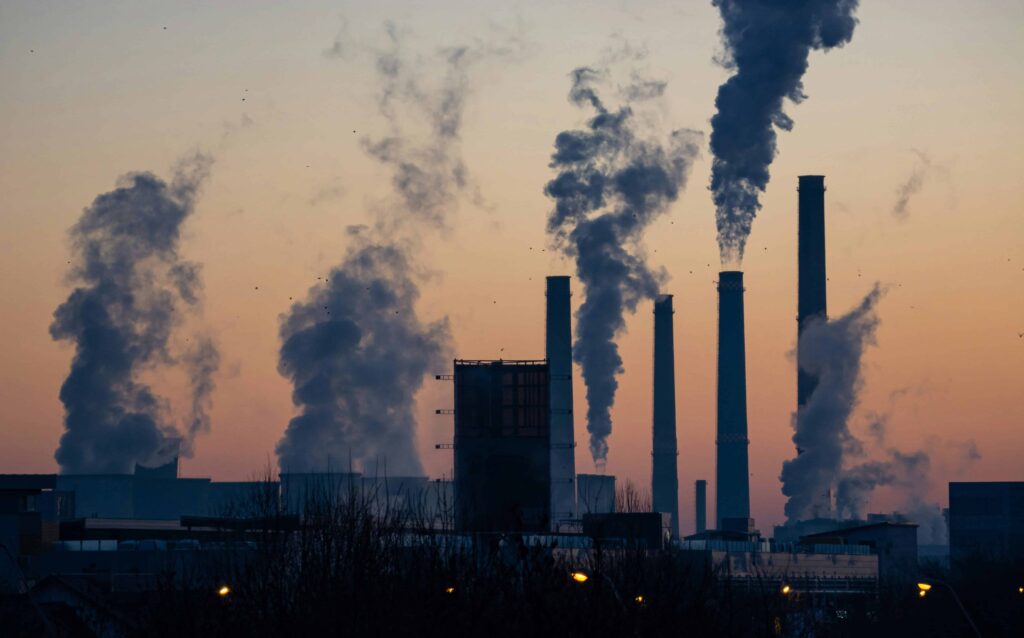
Global carbon dioxide emissions from the energy sector hit a record high for the fourth year running last year as fossil fuel use kept rising
Geopolitical risk in the euro area
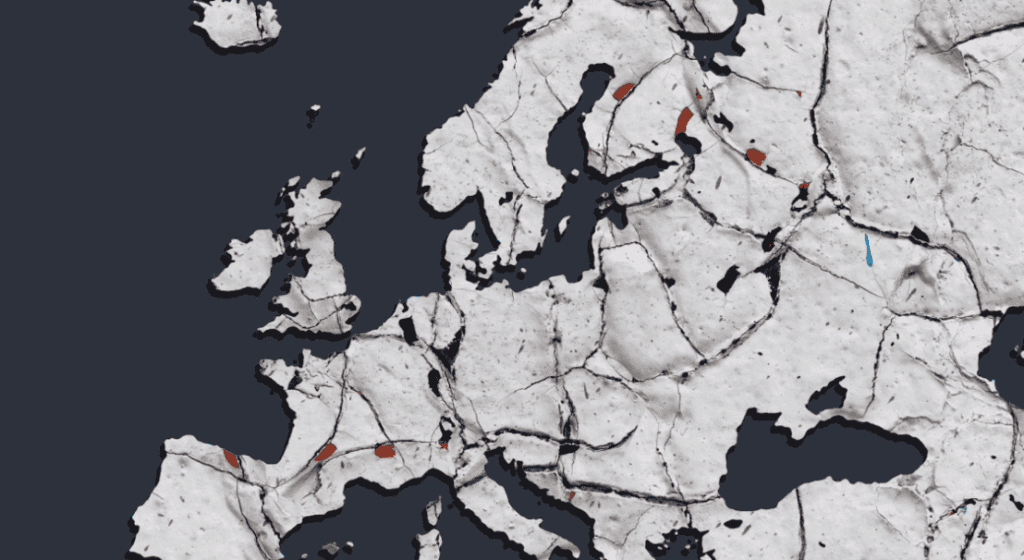
Geopolitical risk is a key concern for the euro area, yet most available measures reflect a US perspective. This column introduces a new indicator of
Export strength does not equal tech strength: Rethinking EU comparative advantage
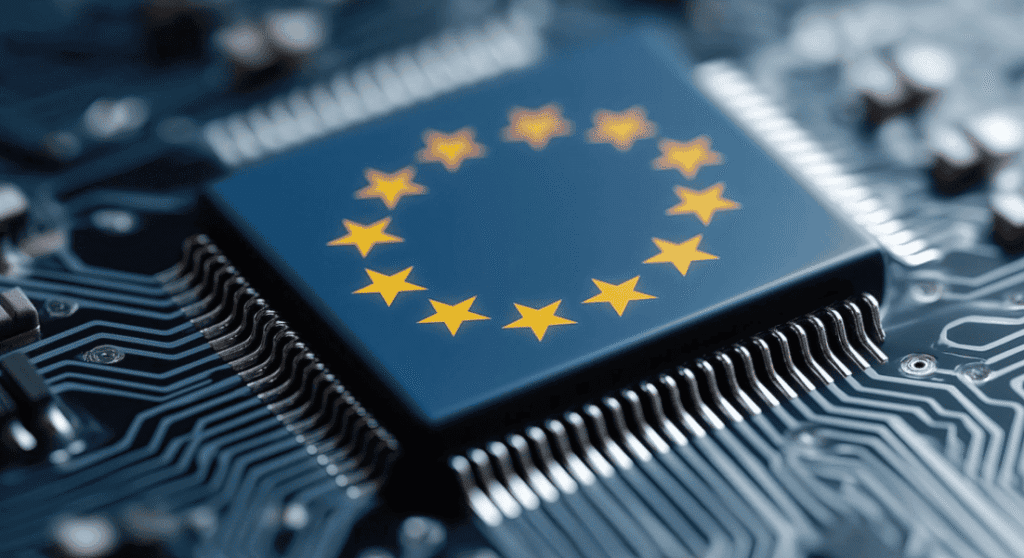
Amid geopolitical shocks, the EU is revisiting its industrial strategy. However, traditional metrics often paint a misleading picture of Europe’s underlying strength. This column uses
Why the US and the WTO should part ways

The US embrace of power politics in the trade arena violates both the letter and spirit of the WTO’s General Agreement on Tariffs and Trade,
When poverty meets fragility: Why the next decade of global poverty reduction is at stake

2024 Marks a Pivotal Shift in the Global Poverty Landscape We need a fundamental rethink of where—and how—the fight against poverty must be waged. This
Envisioning the human development opportunity of AI

Understanding what AI can do and how it is different from previous digital tools gives us a way of imagining pathways through which it could
Human soft skills, the key to using agricultural satellite data
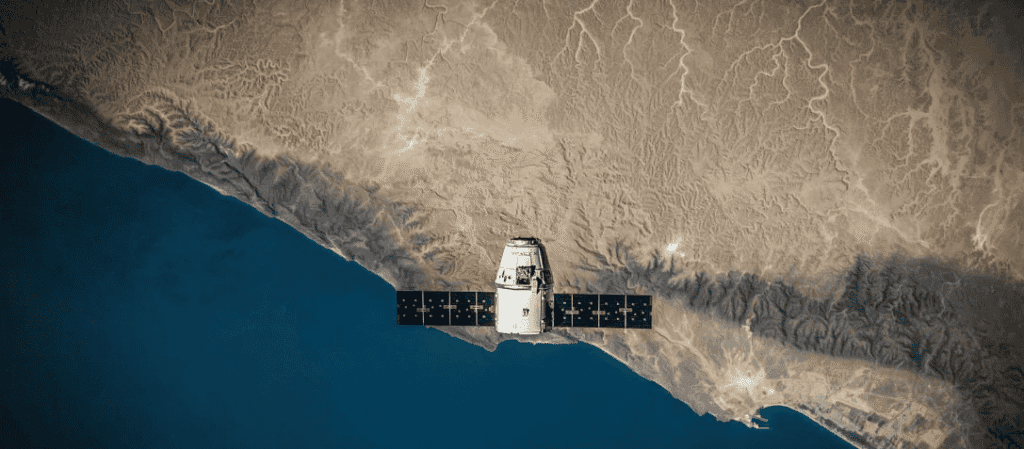
Extreme weather events, population growth, and resource constraints are putting unprecedented pressure on agriculture. To respond, farmers around the world need not just tools and