


Timelines for Change: Timing Issues in Port Reforms
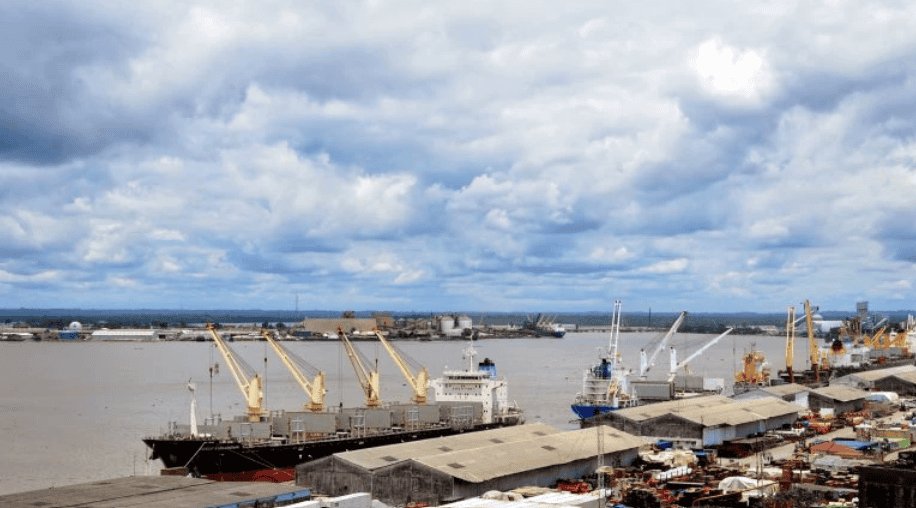
In port reform, timing isn’t just another detail — it represents the difference between a smooth transition and a stalled project. Master plans run for
Sri Lanka economy reports 4.9% growth in second quarter
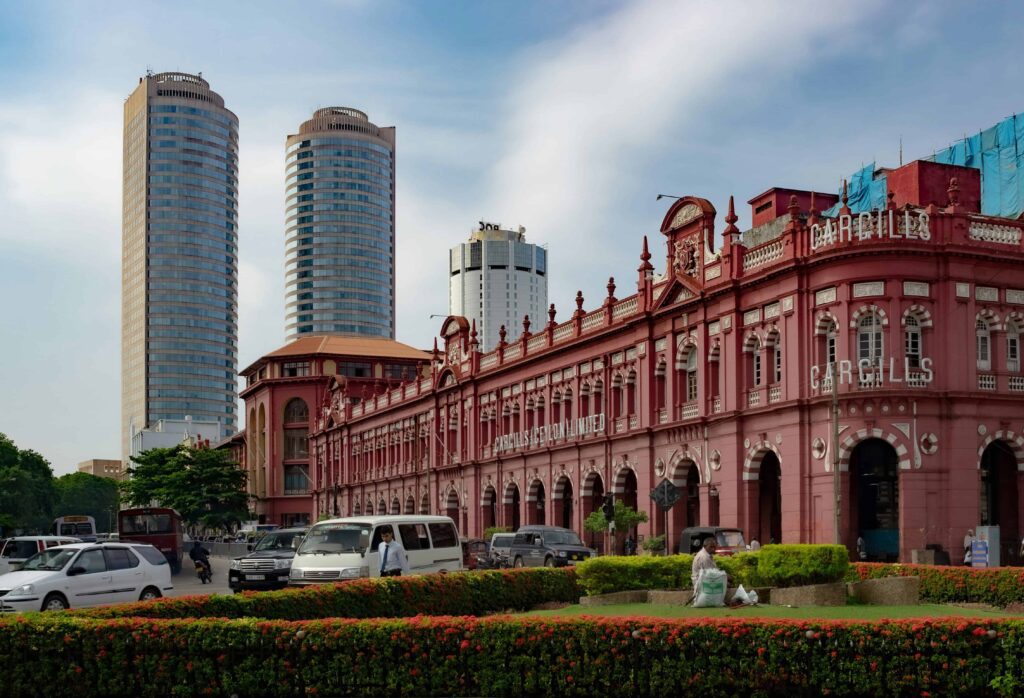
Sri Lanka’s agriculture sector grew by 2% in the second quarter from a year earlier. Sri Lanka’s economy grew 4.9% year-on-year in the second quarter
Reimagining development in fragile and conflict-affected settings

Fragility is no longer the exception. It is the new development realityFragility, conflict, and violence (FCV) are not abstract to us. They are lived realities.
Unlocking SME growth: Key lessons from Ecuador’s loan program
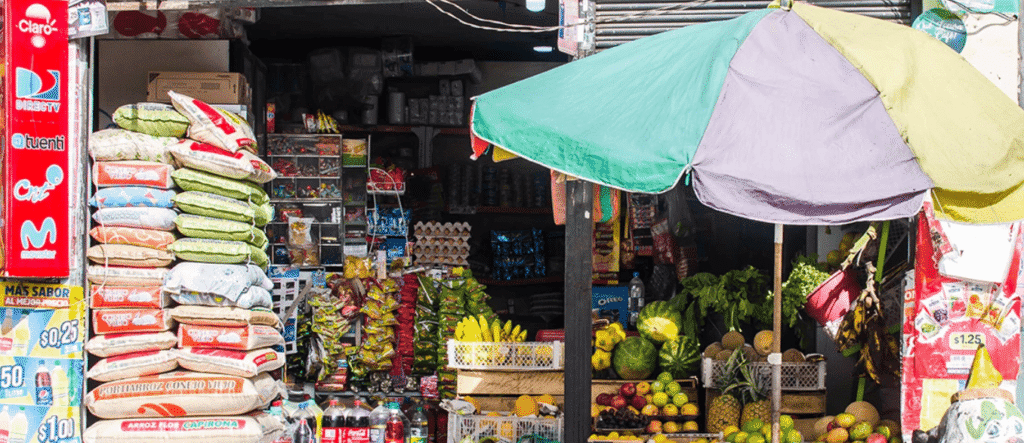
Governments and development institutions spend billions to help small businesses access financing, hoping this will create jobs and support inclusive economic growth. But we don’t
Education is a key to jobs, growth, and lifelong learning

Education is a foundation for good jobs and the surest way out of poverty. We know a good education equips learners with important foundational skills—literacy, numeracy,
Crypto, tokenisation, and the future of payments

The introduction of crypto technology and tokenisation is spurring changes in the financial system. Meanwhile, the Trump administration is taking steps to integrate crypto into
Behind the scenes: How we work with creditors on debt transparency

Earlier this year, the World Bank conducted the second round of a Data Sharing Exercise with G-7 and Paris Club creditors. This is the first large-scale
Can everyone afford to eat healthy? New data show progress, but not everywhere

Low-income countries and Sub-Saharan Africa are being left behind in global progress toward affordable healthy diets. Around 2.6 billion people – 32% of the global
Laws, Data, and Empowerment: Insights from UNDP’s Women’s Empowerment Index and World Bank’s Women Business and Law Index

When it comes to improving economic outcomes for women and women’s empowerment, effective action requires reliable data. Yet, data capturing the full scope of women’s
Measuring what matters for business: The new B-READY data in the World Development Indicators

What makes a country a great place to start and grow a business? Among low-income economies across the world, only 29% have a single centralized