


Is AI adoption impacting job markets in South Asia?

The rapid development of artificial intelligence (AI) is transforming the global economy and reshaping labor markets. What does this mean for the South Asia region?
AI may boost output but fuel divergence between rich and poor countries, IMF chief says

“If we were to extract that kind of boost of growth that would be very significant for the world,” IMF Managing Director Kristalina Georgieva said
The missing link: Why economic policy needs organisational economics

Europe faces slowing growth, ageing populations, and structural shifts. This column discusses how organisational economics can illuminate the impact of structural forces on Europe and
Bilateral trade in services: A new research database

While trade debates focus on tariffs and goods, services have quietly defied deglobalisation and become an increasingly important driver of growth. Services trade not only
Hidden growth in US manufacturing productivity
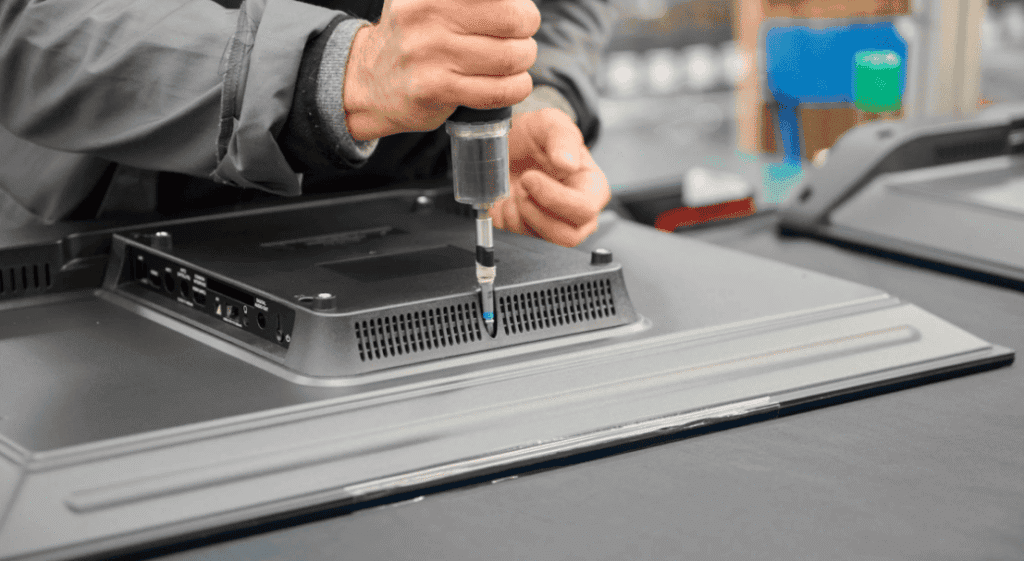
Manufacturing is a locus of innovation, yet standard industry data show manufacturing productivity stagnating in the US. This column argues that standard measurements understate true
How the US South caught up: A century of manufacturing productivity convergence
Economic historians have long debated whether lagging regions can catch up in productivity with industrial leaders. This column shows that, under the right conditions, such
The economic impact of European capital market integration

Economic growth in Europe continues to lag behind that of the US, largely due to smaller productivity gains. This column uses a general equilibrium model
Sparking the investment miracle developing economies need to create jobs

Developing economies today face an investment shortfall of historic proportions. Meeting even the most modest development goals will require a huge investment push—equal to about 5 percent
How AI chatbots can improve voter information

Citizens need clear, accessible information to make informed decisions, but today’s digital landscape can be overwhelming. This column tests whether an AI chatbot can ease
Can AI give small scale producers the right advice?
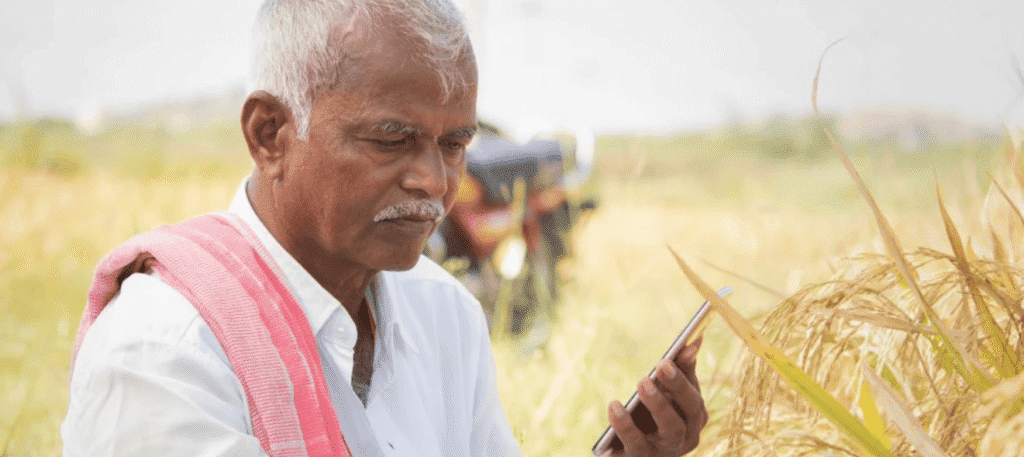
The World Bank has long recognized the critical importance of agricultural extension services – ranging from training and data to technology transfer – which make