


Worker-managed firms can curb inequality and protect free markets

Rising income inequality in Western high-income countries threatens democratic governance and social cohesion, and AI risks making it worse. Drawing on a forthcoming book, this
The global growth slowdown: AI to the rescue?

Artificial intelligence (AI) is advancing rapidly at a moment when the global economy badly needs a new source of growth. The stakes are especially high
The cost of not innovating: Frontier AI models, cyber defence, and EU strategic autonomy

The cyber threat landscape changed dramatically in April 2026 with the emergence of frontier AI models from OpenAI and Anthropic. Access to these models was
How minimum wages reshape firms and their productivity from within

How far can minimum wages rise without damaging jobs and output? This column uses evidence from France to show that firms respond not only by
Decoding AI — What the promise of artificial intelligence means for developing economies

Most of what we hear about artificial intelligence comes through the lens of advanced economies: the race to build the most powerful models, the fear
Productive firms can better spot and deploy their internal talent

When a job vacancy opens, the manager faces a choice: to hire from outside the organisation, or to fill the position with an existing employee
Why we spend so much time in meetings

Few features of modern work are as widely criticised as meetings. Using data from over 9,000 workers in Norway, this column examines how meetings are
New jobs in 140 years of data: Why the AI displacement fear is overstated — and what to worry about instead
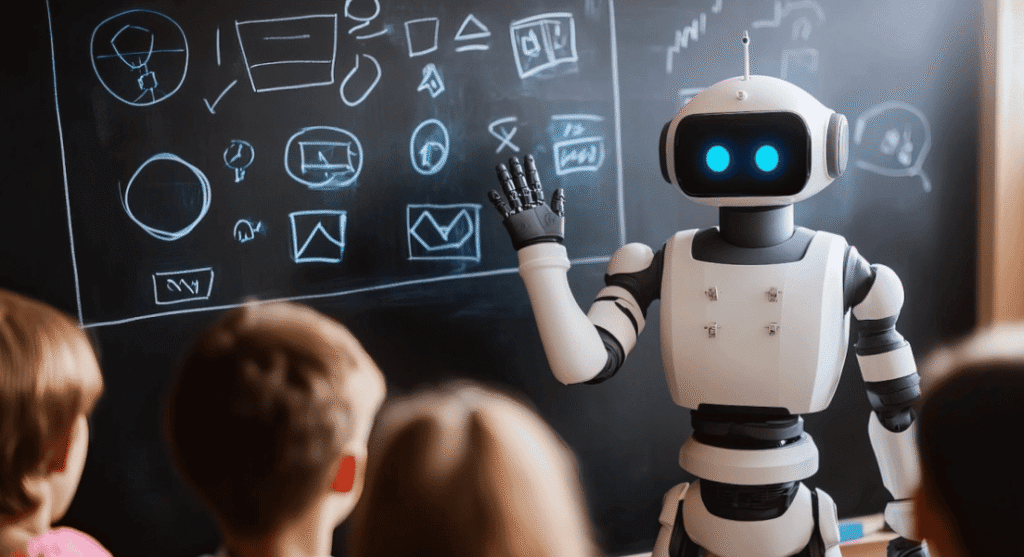
Forecasts of AI-driven job destruction rest on counting automatable tasks. But labour markets hire, pay, and fire whole occupations, not tasks – and occupations have
How exchange rate policy reshapes global supply chains and productivity growth
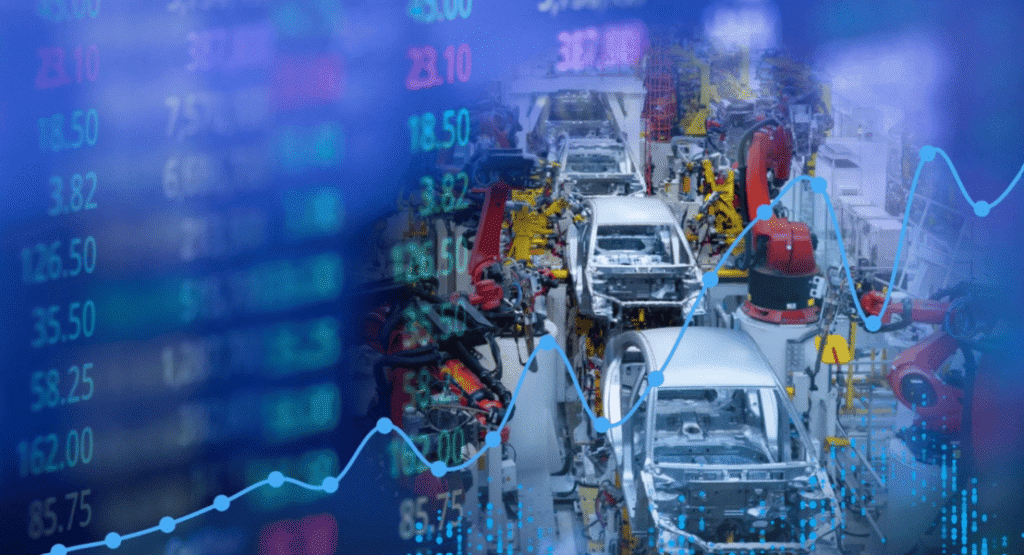
Global current account imbalances are widening again. This column argues that currency undervaluation, supported by reserve accumulation under capital controls, can permanently reshape industrial structure
Workers’ age and AI adoption

Numerous studies have analysed the effects of AI on productivity, growth and employment. Few of these focus on the factors that promote or hinder the