

No, the EU does not impose a 45% tariff on itself
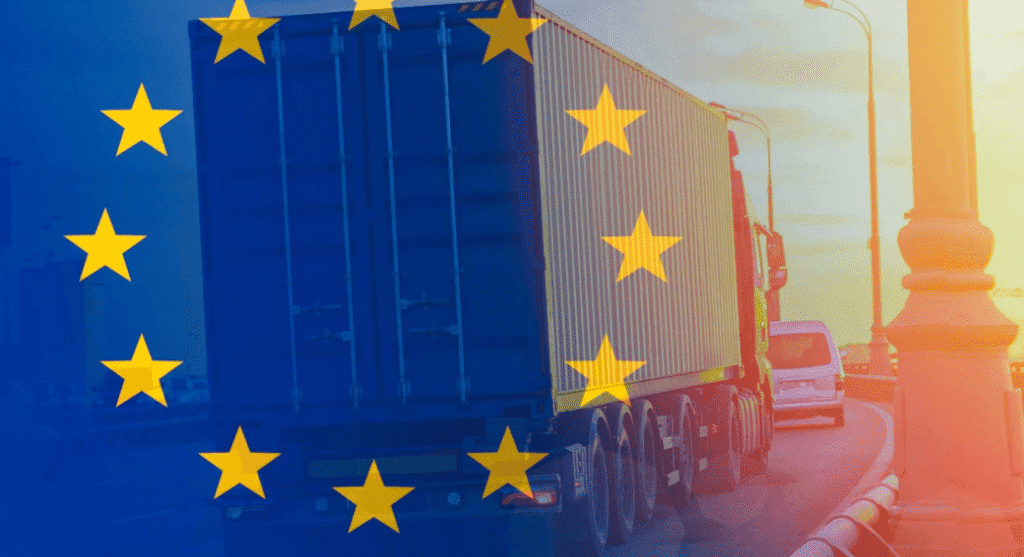
A recent paper which has gathered significant attention estimates a 45% tariff equivalent of intra-EU border costs. This column argues that this estimate is likely
Navigating the complex world of non-tariff measures

For decades, global trade debates have centered on tariffs – the duties countries impose on imported goods. Today, a new, more complicated set of trade
Frontiers of digital finance, part 1: A global perspective

The digitisation of payment, trading, and settlement systems is reshaping the financial architecture. This column, the first in a two-part series, offers an overview of
Navigating the 2022 inflation surge: Lessons for monetary policy frameworks

The 2022 global inflation surge tested inflation-targeting frameworks under severe supply shocks. This column shows that, despite earlier and sharper tightening, inflation targeting central banks
Lessons from Denmark’s eight-hour workday reform

In recent years, calls for shorter working weeks have re-emerged in Europe and elsewhere. This column examines how Denmark’s 1919 shift to the eight-hour workday
How AI can help detect warning signs of financial market stress
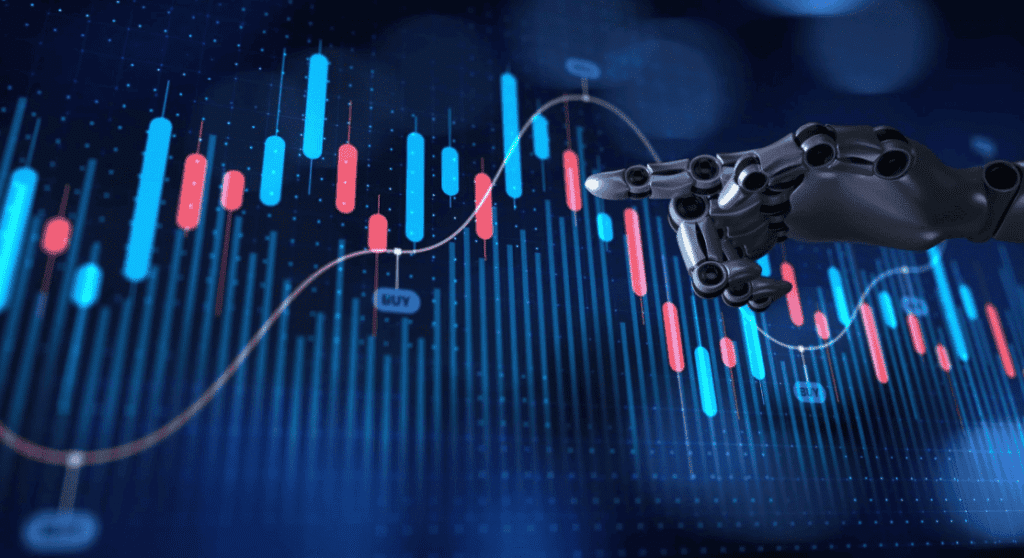
Predicting financial market stress is a significant challenge, as traditional models often fail to capture complex and nonlinear dynamics. This column highlights two recent advances
Dutch households spend less of their income on fixed and necessary expenditures

Households with high fixed and necessary expenditures relative to income are more vulnerable to income shocks. This column examines fixed and necessary expenditures for middle-income
The macroeconomic implications of extreme weather events: Insights from advanced economies

Extreme weather events are increasing in frequency and intensity, yet their macroeconomic impacts remain poorly understood. This column argues that the highly localised nature of
Data, power and emissions: How AI’s growth may slow down the green transition

AI and other data-intensive technologies may help optimise energy use, but the technologies themselves are power hungry. This column explores how the diffusion of AI
Insuring labour income shocks: The role of the dynasty

Beyond government and market-based insurance, the family remains a key institution for coping with economic risk. This column uses detailed Norwegian data to study how