

Task-based returns to generative AI: Evidence from a central bank

How does generative AI affect real workplace productivity? This column reports results from an experiment at the National Bank of Slovakia, where staff were randomly
Detecting hidden state aid with machine learning
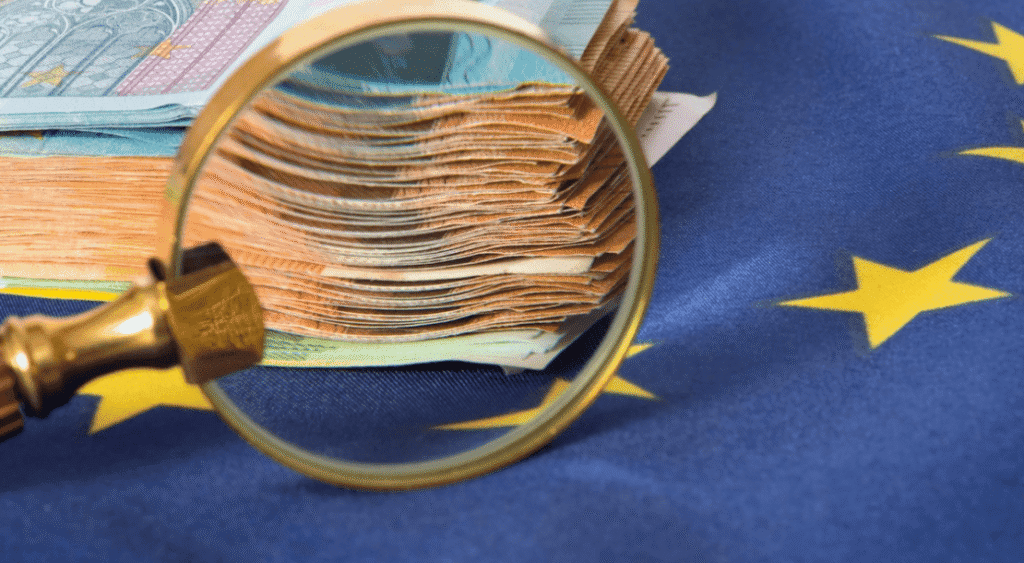
State aid regulation is crucial to ensuring competitiveness in the EU Single Market, but enforcement remains challenging. Non-compliance by member states and foreign subsidies are
Bigger, better funded and focused on public goods: how to revamp the European Union budget

How should the European Union budget be revamped to meet the pressing collective challenges of climate change, competitiveness, defence, enlargement and response to unforeseen shocks?
Dynamism in generative AI markets since the release of ChatGPT

The success of ChatGPT has raised fears that the excessive concentration of generative AI technology within one or two leading US companies could reduce market
Climate change, firms, and aggregate productivity

Policy debates around climate change frequently focus on the trade-off between the near-term costs of reducing carbon emissions and the long-term benefits of mitigating climate
Export strength does not equal tech strength: Rethinking EU comparative advantage
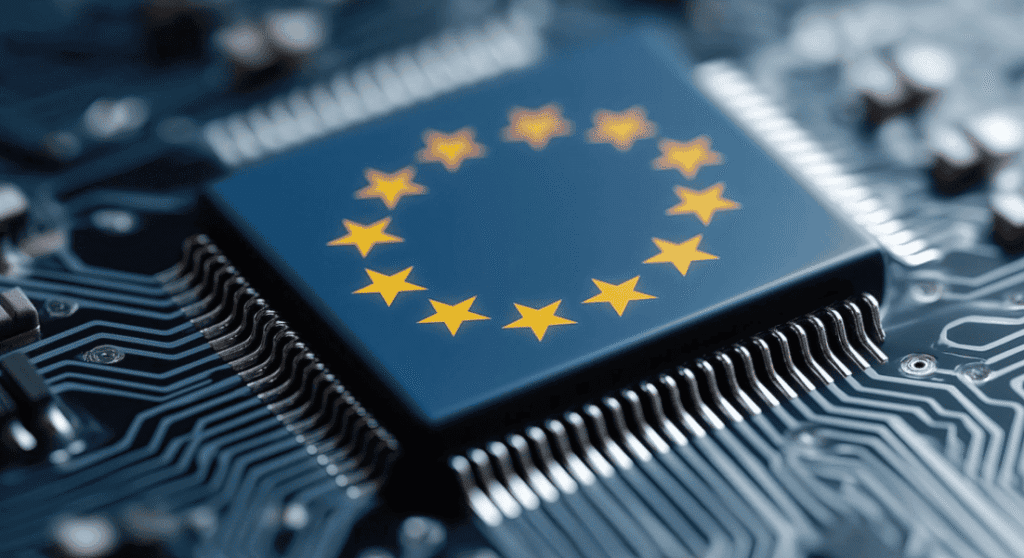
Amid geopolitical shocks, the EU is revisiting its industrial strategy. However, traditional metrics often paint a misleading picture of Europe’s underlying strength. This column uses
When supply shocks to essential inputs spur innovation: Lessons from the global rare earths disruption

Trade and industrial policies designed to support domestic industries can unintentionally kindle technological progress abroad. This column examines the case of rare earth elements –
Generative AI in universities: Grades up, signals down, skills in flux

Student use of artificial intelligence is reshaping learning and redefining the skills of future workers. This column examines the impact of generative AI tools on
Fully remote work expands recruitment and boosts productivity

The Covid-19 pandemic sparked a large and lasting shift to remote work. This column draws on detailed administrative data from a major call centre in
Disentangling trade policy uncertainty and equity market performance

Despite headlines dominated by threats and implementations of US and retaliatory tariffs since President Trump’s inauguration, it was not until his “Liberation Day” announcement on