


Opening the black box: What we now know about credit and poverty

For decades, one question has dominated debates about finance and poverty reduction: does access to credit reduce poverty? The idea that loans can help households
How the rise of AI matters for fiscal policy

Predictions of the effects of AI on the economy and society tend to focus on productivity growth, job losses, and shifts in the distribution of
Achieving a European Banking Union without increasing risks

European banking remains fragmented, leaving billions of euros inefficiently allocated. Reforms to establish a European deposit insurance system have been proposed to allow cross-border banking
Planning for the rising fiscal costs of climate disasters
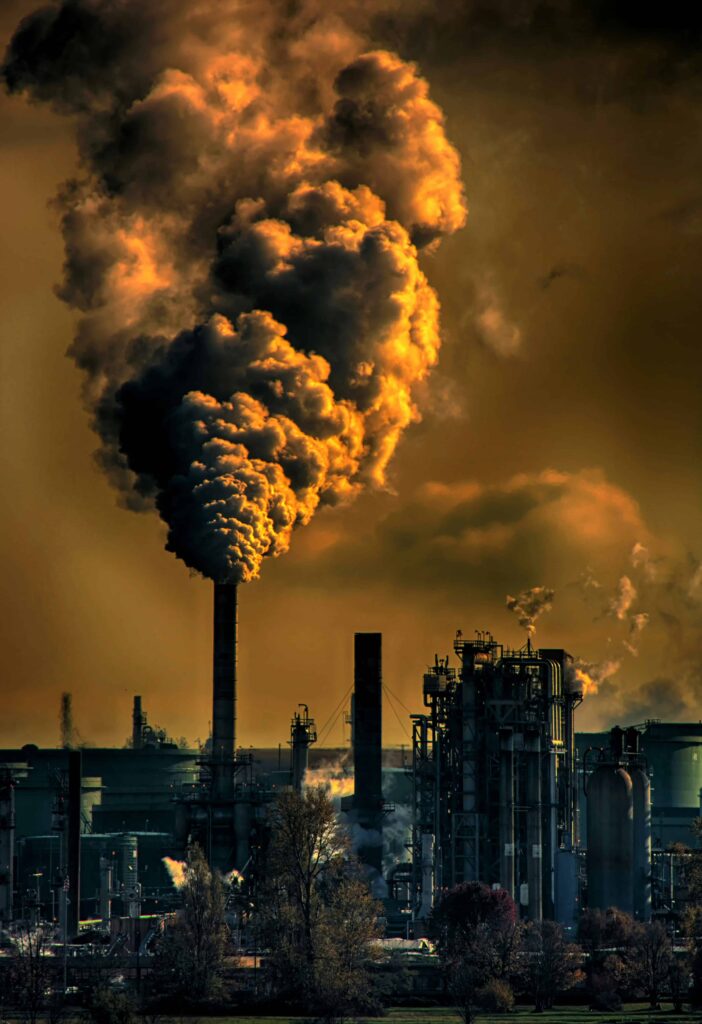
Low insurance coverage is turning EU governments into disaster insurers of last resort, strengthening the case for prevention and adaptation finance. Climate-related disasters are affecting
When private insurance buys faster access to public care

Supplemental private health insurance is becoming more common in universal healthcare systems as a way to secure faster access to specialists, diagnostics, and elective care.
Reconfiguring Europe in a fractured global economy: The Florence Report

The dramatic developments unfolding globally, spanning wars, geopolitical shifts, and trade disruptions, have caught Europe off balance. The 2026 Florence Report urges the EU to
Trade risk and optimal trade policy: Lessons from food security

Geopolitical shocks and trade disruptions have made imports less reliable, especially for essential goods like food. This column outlines a framework where trade costs are
Minimum wages and insurance within the firm

While much of the debate over minimum wages focuses on how they affect average pay levels or job losses, an equally important question is how
EU securitisation needs a more market-based approach
The EU is updating its regulations on securitisation, but it still has a long way to go if it wants to emulate the strengths of
The economic consequences of earthquakes: A tale from two datasets
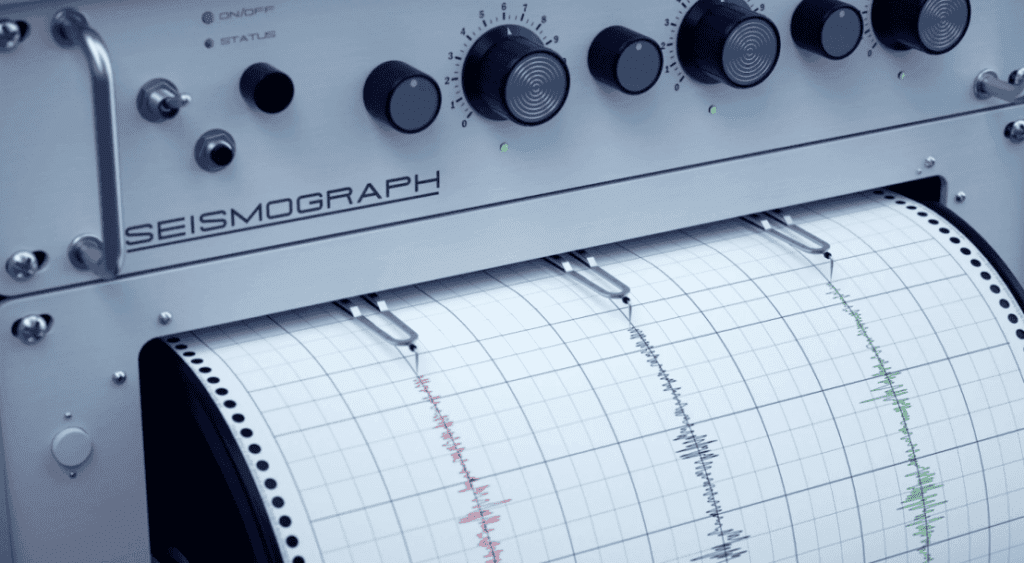
Economic studies of earthquakes often rely on incomplete data, excluding lower-intensity events that can still cause disruptions. This column identifies the effects of earthquakes on