


Europe’s trade surplus, international relative prices, and the productivity growth gap

The euro area faces persistently weak productivity growth alongside a sustained trade surplus and a trendless real exchange rate. This column shows that persistent productivity
Navigating debt and trade: Data show persistent debt challenges for developing countries amid uncertain trade prospects

Low- and middle- income countries (LMICs) have rebounded strongly since the COVID-19 pandemic. Gross national income (GNI) among these countries was resilient in 2023, at
Globalization and the reform of European social models

Combining product and capital market reforms at EU level with labour market and social policies at national level would be desirable, particularly within the euro
The ripple beyond borders: Indirect effects of US export controls on Japanese firms

As part of the ongoing US-China trade war, since 2020 the US has restricted the exports of cutting-edge semiconductors from third countries to Huawei. This
Trade’s emissions paradox: What it means for developing countries

International trade plays a complex role in shaping environmental outcomes. A new World Bank paper, “Trade’s Emissions Paradox: Cutting Greenhouse Gases, Raising Air Pollution,” prepared
Trade and Development Chart: Exports to developing economies drive rich-country employment growth
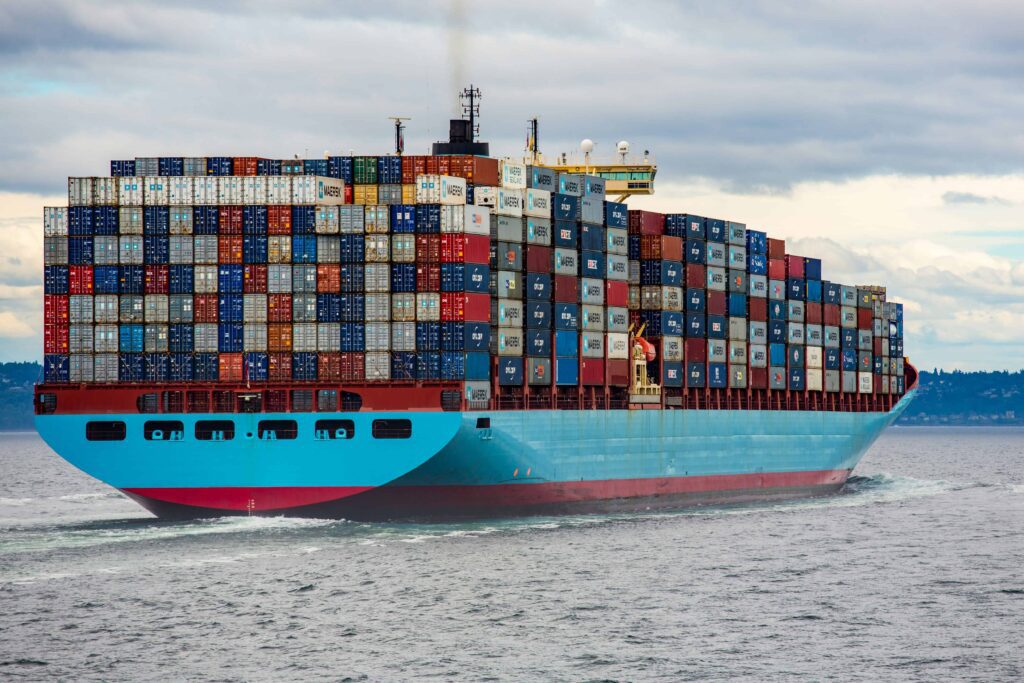
As global trade expands, so does the number of workers in high-income countries whose jobs are tied to exports. More of that growth is generated by
The Great Wall of Chinese goods: The effect of tariff-induced re-rerouting on euro area consumer prices
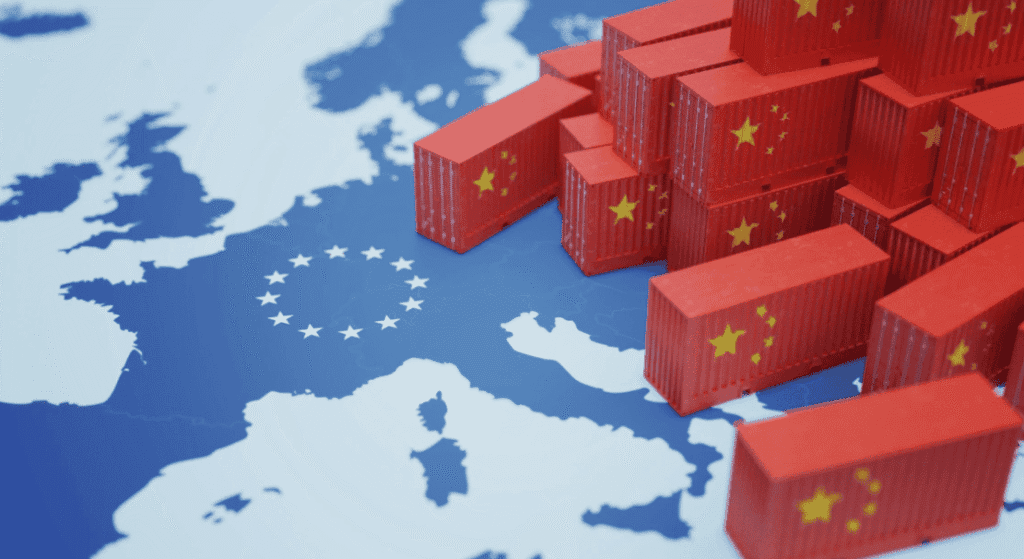
Tariffs affect both supply and demand, possibly with contrasting effects on prices. This column shows that renewed US-China tensions could redirect Chinese exports to the
Most of the developing world is turning into a development-free zone

Only six months ago, a “soft landing” appeared to be in sight: the global economy was stabilizing after an extraordinary string of calamities both natural
From partner to rival: The sectoral evolution of China’s trade
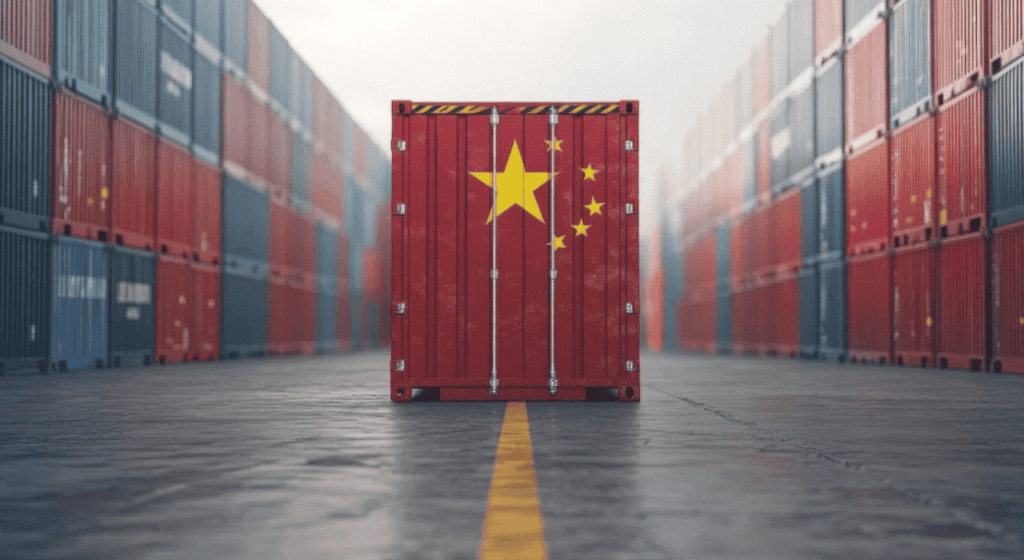
Over the past decade, China has shifted towards greater self-reliance while enhancing its export competitiveness in advanced economy markets. This column introduces a new index