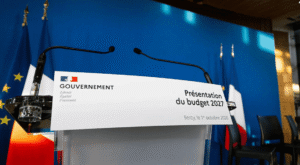


Ahead of a presidential election, France first needs to help itself on debt
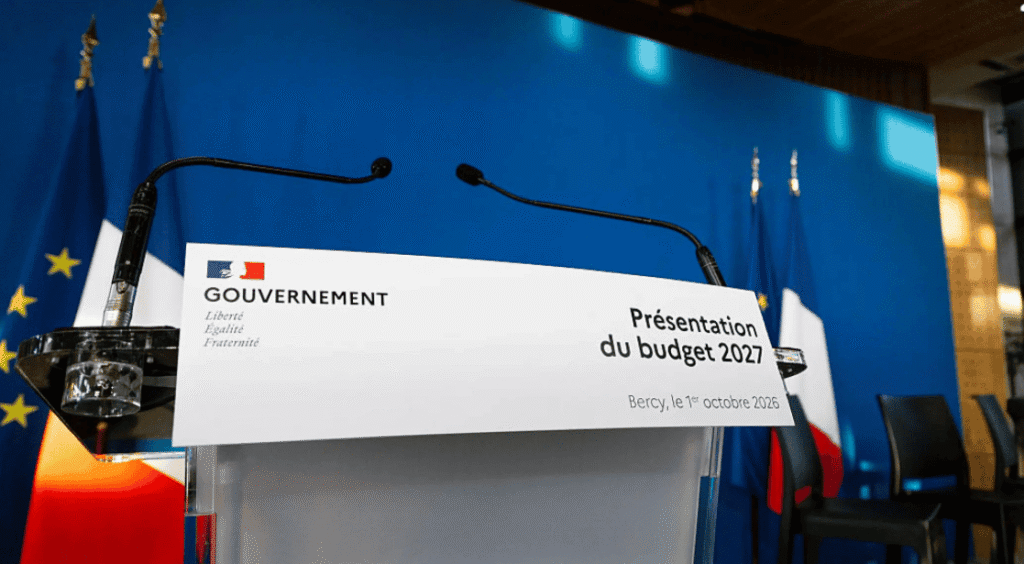
When could market stress justify European Central Bank intervention over French debt and what must France do first for such support to be defensible? After
Financing the AI buildout before the risks go off balance sheet
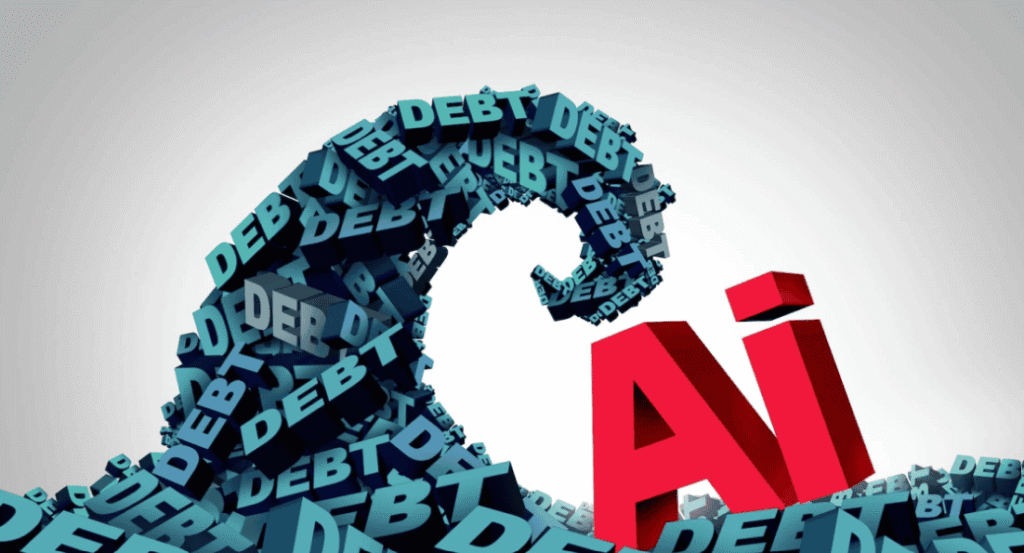
The AI boom is usually discussed as a contest over models, chips, and productivity. This column argues that it is also a large physical infrastructure
The Danes, the Dutch, the Swedes and the feasibility of walking away from pay-as-you-go pensions

Prefunded pensions in Denmark, the Netherlands and Sweden pair income security with fiscal sustainability, but other EU countries need a faster route. This paper examines
Cultural norms matter for macroeconomic development

Interest in the role of cultural norms, institutions, and development has resurfaced in recent years especially post the 2024 Nobel Prize in Economics. This column
How climate policies can speed up manufacturing decarbonisation in the Western Balkans

Western Balkan firms are adopting measures to reduce environmental impacts, but smaller local firms need support to comply with EU regulations. The European Union’s carbon
When Wall Street drifts from Main Street: Consumption as an anchor for stock prices

Debate over whether buoyant equity markets reflect durable economic gains or a widening gap between Wall Street and Main Street has intensified with the AI
Lifting the curtain on the EU’s debt
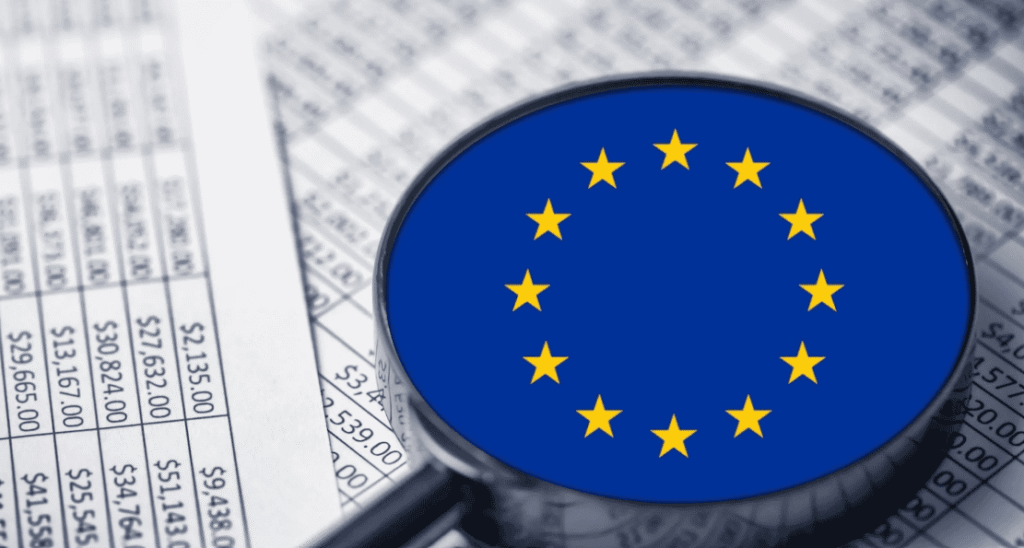
The EU’s far-reaching response to a series of major shocks has turned it into a major borrower on international financial markets. Debt issued by the
The smokestack illusion: Who really pays for net zero
Reaching net-zero CO2 emissions by 2050, as prescribed by the Paris Agreement, is hard to imagine without a carbon tax. This column estimates that reaching
AI’s gains are large and rising, but unevenly shared

How large is the labour cost saved by AI, and how is it distributed across occupations? Using five waves of the Anthropic Economic Index from
How the rise of AI matters for fiscal policy
Predictions of the effects of AI on the economy and society tend to focus on productivity growth, job losses, and shifts in the distribution of