


Updating my priors on the effectiveness of wage subsidies in developing countries

In 2017 I published (ungated) a review of active labor market programs in developing countries, in which I concluded that the “accumulated evidence suggests that wage subsidies
Data, power and emissions: How AI’s growth may slow down the green transition

AI and other data-intensive technologies may help optimise energy use, but the technologies themselves are power hungry. This column explores how the diffusion of AI
Insuring labour income shocks: The role of the dynasty

Beyond government and market-based insurance, the family remains a key institution for coping with economic risk. This column uses detailed Norwegian data to study how
Leading firms are falling behind in developing East Asia

For decades, East Asia has been a paragon of economic dynamism. But today, in an era of rapid global technological advances, productivity growth in the
Sustained growth through creative destruction: Nobel laureates Philippe Aghion and Peter Howitt

Philippe Aghion and Peter Howitt have been jointly awarded the 2025 Nobel Prize in Economic Sciences with Joel Mokyr ‘for having explained innovation-driven economic growth’.
US weekly jobless claims decline, JPMorgan and Goldman Sachs estimate

Economists estimate weekly jobless claims fell to 217,000 from 235,000. The number of Americans filing new applications for jobless benefits fell last week, economists at
Hidden growth in US manufacturing productivity

Manufacturing is a locus of innovation, yet standard industry data show manufacturing productivity stagnating in the US. This column argues that standard measurements understate true
How firms respond to import competition: Labour force reduction, product/industry switching, and off-shoring

As global trade has expanded, many studies have documented the level of impact of import competition on employment, but we know less about how firms
Many paths to jobs: New World Bank Group Scorecard insights
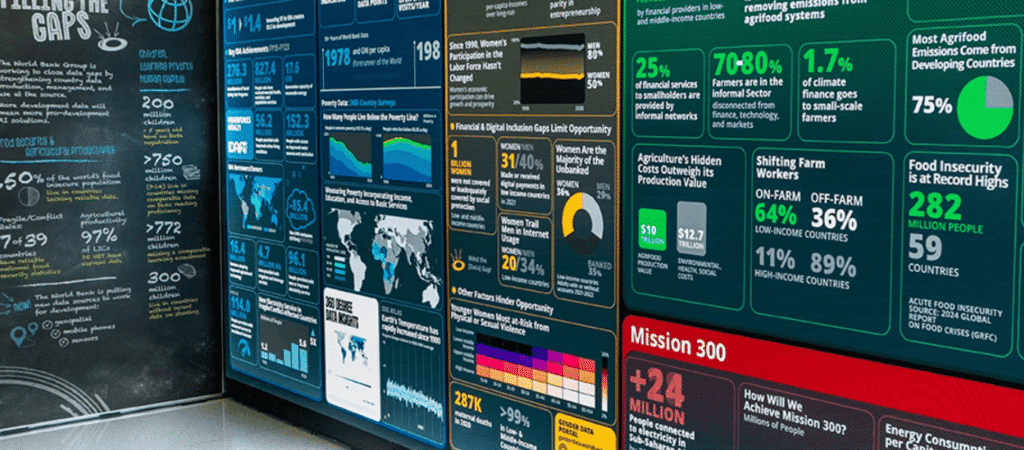
Two years ago, the World Bank Group launched a revamped Scorecard not as another report but as a promise: that measuring impact would become part of how
How trade shapes women’s jobs in the services sector: New insights

Today’s global economy is more interconnected than ever, and trade — along with global value chains (GVCs) — plays a major role in shaping job opportunities.