

Europe’s public finances in a warming world

Climate change is increasingly shaping macro-fiscal outlooks. Extreme weather events, chronic damages from global warming, and decarbonisation efforts all have growing implications for public finances
Energy transition achievable in emerging markets

Climate finance as a percentage of GDP will likely be the largest in South Africa, at 0.25 per cent, followed by India (0.13 per cent)
The unbearable lightness of the sovereign greenium
Since 2016, many governments have issued ‘green’ debt instruments to support the transition to a low-carbon economy. This column shows that a yield discount on
Certification schemes may break the link between natural resources and violent conflict

Natural resources, including alluvial minerals such as diamonds, have been at the centre of brutal wars in Africa. This column evaluates one of the first
Navigating the 2022 inflation surge: Lessons for monetary policy frameworks
The 2022 global inflation surge tested inflation-targeting frameworks under severe supply shocks. This column shows that, despite earlier and sharper tightening, inflation targeting central banks
Climate change mitigation pathway: The 24-hour economy

It is increasingly perceived as an integrated sustainability solution for transforming how global cities function. As the sun soars and global cities set record temperatures,
A Global Force for Good: Gulf Cooperation Council’s leadership in development finance

The global community stands at a crossroads. Facing climate change, conflict, and economic instability, the world needs effective development cooperation more than ever. In this
Coffee beans meet green rules: Reconciling climate and development goals
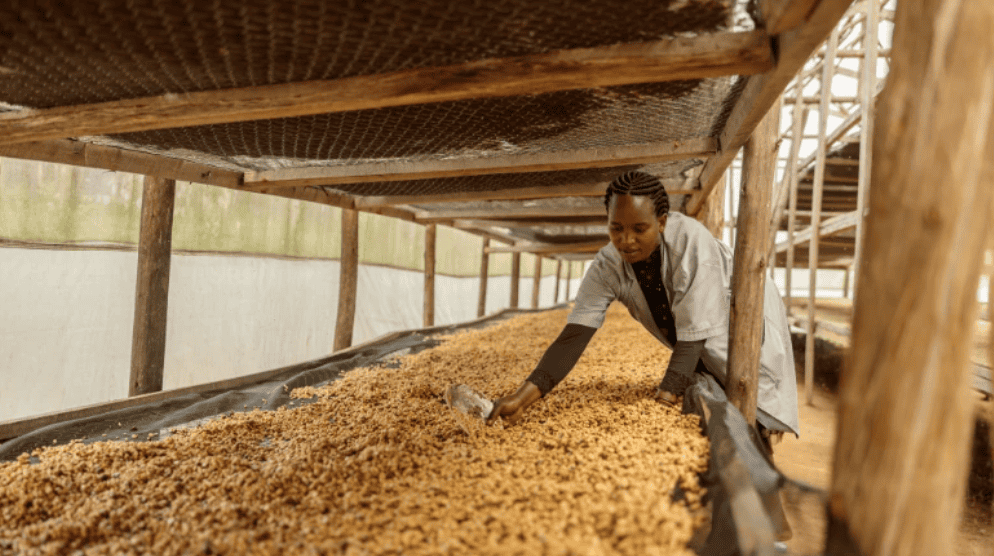
The average resident of the European Union spends €150 annually on coffee, a small price for what many consider one of life’s necessities. This morning
Sustained growth through creative destruction: Nobel laureates Philippe Aghion and Peter Howitt

Philippe Aghion and Peter Howitt have been jointly awarded the 2025 Nobel Prize in Economic Sciences with Joel Mokyr ‘for having explained innovation-driven economic growth’.
Convergence, not alignment: EU-China climate relations ahead of COP30

Trade and other tensions between the European Union and China should not be allowed to derail joint work to cut emissions. The COP30 United Nations