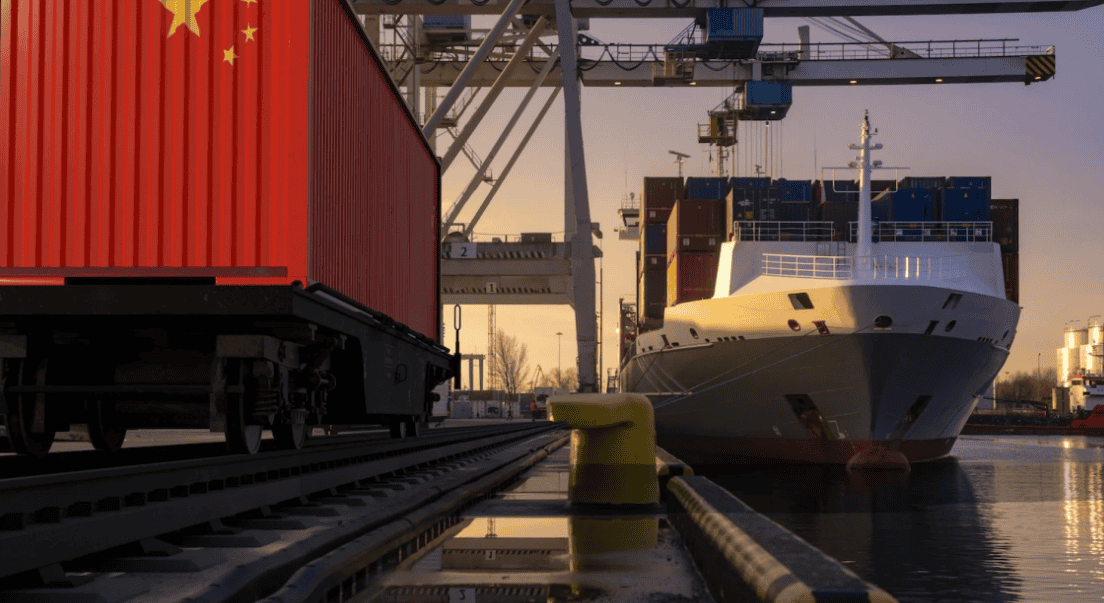



Despite strong GDP growth and a favourable demographic profile, India faces an impending jobs crisis. A large share of the workforce remains employed in low-productivity agriculture, while many new labour market entrants are absorbed into the persistently large informal sector. By contrast, China’s rapid ascent was driven by manufacturing-led, export-oriented industrialisation, underpinned by large inflows of foreign direct investment and sustained technology transfer. India’s manufacturing base remains modest in contrast. The bulk of well-paid, formal employment continues to be concentrated in the high-skill services sector.
This paper contrasts the development trajectories of these two economies and identifies several underutilised jobs-growth levers in India: manufacturing, goods exports, manufacturing-oriented foreign direct investment and innovation. All of these remain underdeveloped, yet together they offer a pathway to more labour-absorbing, durable growth. Leveraging them effectively would be central to achieving India’s ‘Viksit Bharat 2047’ ambition of attaining high-income status.
The scale of India’s challenge to employ eight to ten million labour-market entrants per year implies that job creation must become an explicit policy priority. This calls for greater trade openness, particularly with Asia and Europe, to integrate India into Asia-centric global supply chains as an alternative to China. Labour market reform is equally critical, making the effective implementation of the new labour codes essential. Strengthening innovation ecosystems and realigning education and skills policies to support industrialisation are also key. Without these structural shifts, India’s current pattern of jobless growth risks transforming its demographic dividend into a long-term liability.
Source : Bruegel