

The cost of not innovating: Frontier AI models, cyber defence, and EU strategic autonomy
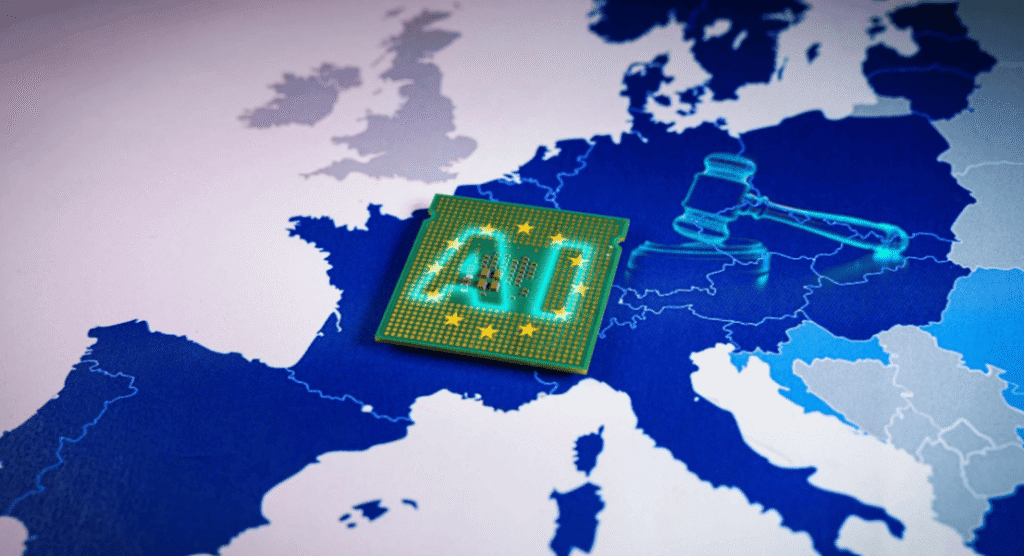
The cyber threat landscape changed dramatically in April 2026 with the emergence of frontier AI models from OpenAI and Anthropic. Access to these models was
Capital inflows boost output, even after accounting for expectations

Emerging market economies that are expected to perform well may attract more foreign capital, making it difficult to establish the causal effects of capital inflows
The smokestack illusion: Who really pays for net zero

Reaching net-zero CO2 emissions by 2050, as prescribed by the Paris Agreement, is hard to imagine without a carbon tax. This column estimates that reaching
Quantifying financial repression through the lens of portfolio choice: A century of evidence

With public debt at high peacetime levels, how advanced economies can reduce debt burdens is again at the centre of policy debate. This column examines
Measuring what work generative AI does: Survey evidence versus chat logs

The chat logs of AI companies are often used to measure what work AI actually does. This column uses a nationally representative US survey that
How minimum wages reshape firms and their productivity from within

How far can minimum wages rise without damaging jobs and output? This column uses evidence from France to show that firms respond not only by
Tax policy considerations for the circular economy

EU fiscal systems still favour linear production, as virgin extraction stays largely unpriced and labour-intensive repair is penalised. About 88 percent of materials are thrown
From AI pilots to scale: Improving the delivery of public services

How can AI be used to deliver better public services? That’s one of the big questions for developing countries. Governments are already experimenting with AI
Trump welcomes Xi to Washington looking for a trade win

US President Donald Trump welcomes Chinese President Xi Jinping to the White House on Thursday for a lavish state summit expected to be heavy on
Australia says OpenAI agent hacked government website, checks for more breaches

– Australia said on Thursday an OpenAI agent breached a government health data portal in June, gaining unauthorised access to files, in what could be