

Global imbalances and the China challenge
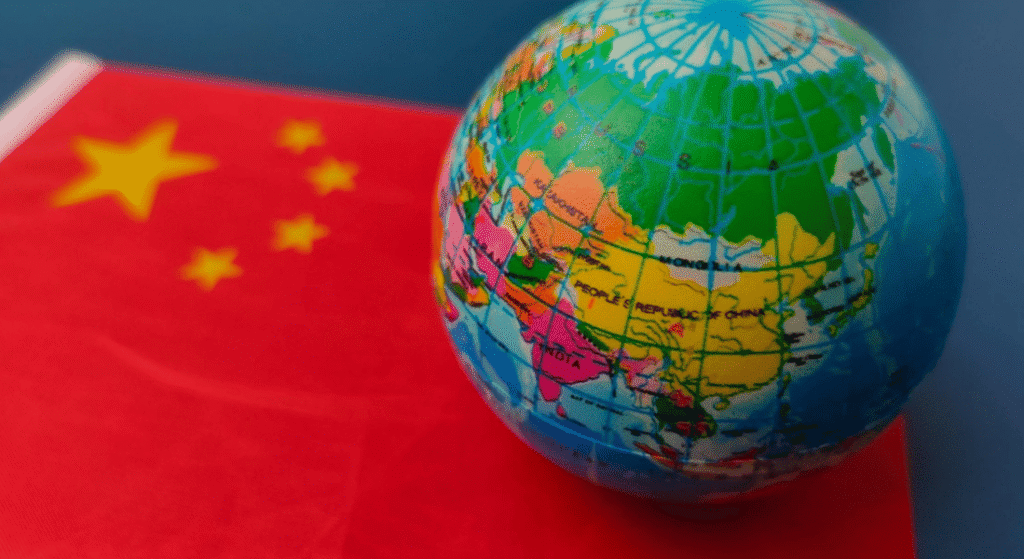
China’s trade surplus is widening, its manufactured exports are surging, and the political backlash is intensifying. This column argues that the widening trade surplus reflects
Fed’s Williams sees no urgency for next Fed rate hike

Fed’s Williams says there’s time to parse data before raising rates again Federal Reserve Bank of New York President John Williams said on Tuesday that
Bonds set for bruising September; stocks fare better
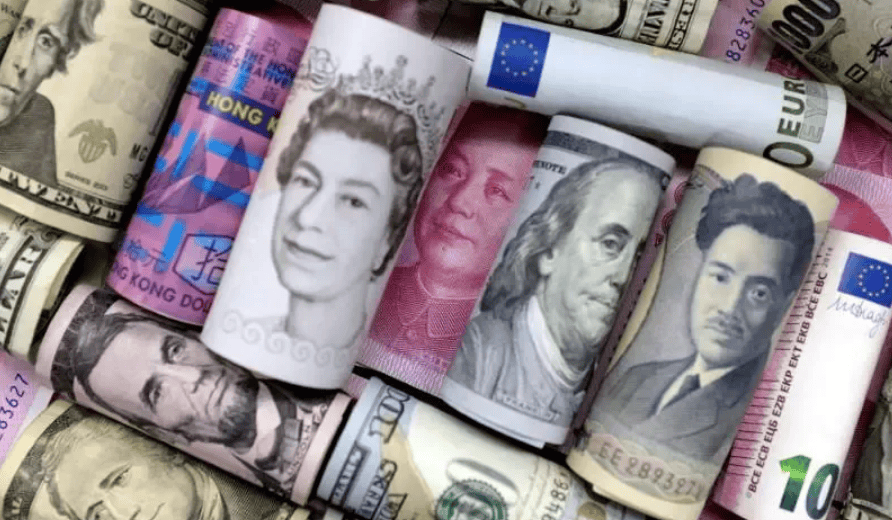
MSCI’s broadest index of Asia-Pacific shares excluding Japan rose 0.2% in early trading. Global bonds wobbled on Wednesday and were set for their worst month
How climate policies can speed up manufacturing decarbonisation in the Western Balkans

Western Balkan firms are adopting measures to reduce environmental impacts, but smaller local firms need support to comply with EU regulations. The European Union’s carbon
Remunerating means of payment

Non-remuneration of digital money acts as a distortionary tax, making EU bans on interest for e-money and stablecoins hard to defend. Though banknotes cannot technically
Beyond flows: How natural gas supply risk fuels inflation
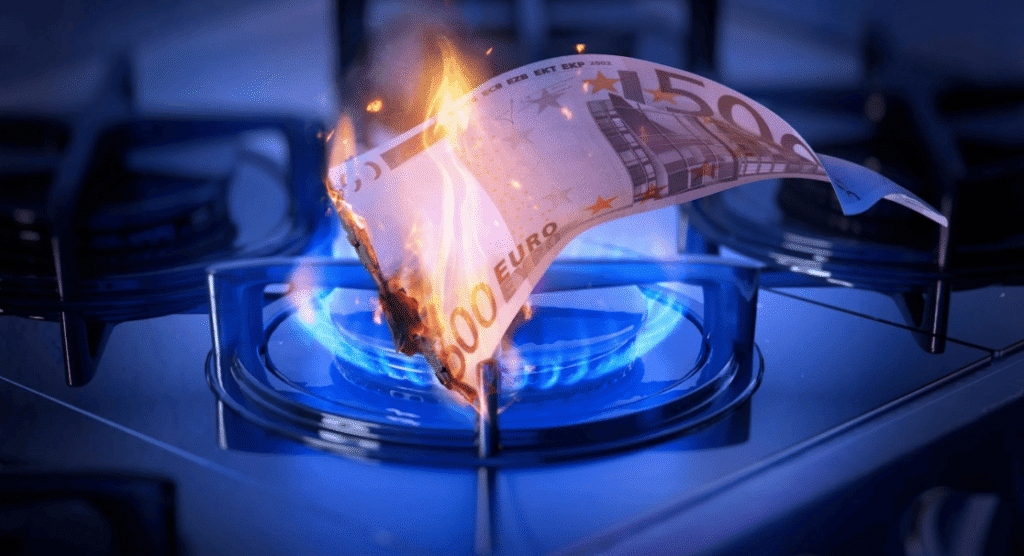
Europe’s output losses proved limited following the 2022 cutoff of Russian gas flows, yet inflation rose sharply. This column uses weather variation and gas-market events
When Wall Street drifts from Main Street: Consumption as an anchor for stock prices

Debate over whether buoyant equity markets reflect durable economic gains or a widening gap between Wall Street and Main Street has intensified with the AI
Better work, not always better workers

Professional judgement comes from learning by doing, but AI has the potential to disrupt this learning process. This column explores how randomised access to an
Geopolitical risk is reshaping global finance, one bank loan at a time
Geopolitical tensions are increasingly reshaping the flow of trade, investment and capital flows. This column documents that the same process is also reshaping bank lending.
Lifting the curtain on the EU’s debt
The EU’s far-reaching response to a series of major shocks has turned it into a major borrower on international financial markets. Debt issued by the