


Robot adoption, worker-firm sorting, and wage inequality: Evidence from administrative panel data

Wage inequality is on the rise as much as wealth inequality. There is consensus that part of this rise is due to technological progress. The
Agglomeration effects in a developing economy: Evidence from Turkey

Despite an extensive literature on the productivity gains associated with large cities in developed economies, little is known about this issue in the context of
Unmasked! The effect of face masks on the spread of COVID-19

On a global scale, the extent of COVID-related lockdowns is massive, and their socio-economic impact is expected to be far-reaching (Barba Navaretti et al. 2020,
Understanding barriers and resistance to training in the European Union

Companies face a huge gap between the skills they need to prosper in the changing economy and the skills available in the labour market. Nearly three-quarters
Enabling Cyber Resilient Development

Cybersecurity is a growing challenge to sustainable economic development. Cyber incidents can impact the safety, prosperity, and resilience of a country and can undermine the benefits
Workers Need Digital Skills to Remain Relevant in the Post-Pandemic Job Market

As the region emerges from the pandemic, businesses should adopt more flexible approaches to developing talent for digital jobs, while workers must embrace lifelong learning
Scaling up agricultural policy interventions: Evidence from Uganda
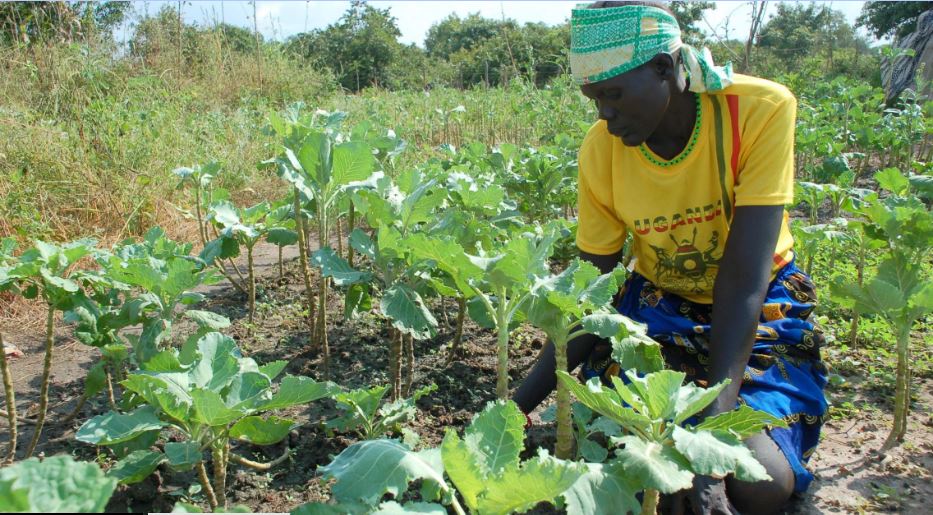
Roughly two-thirds of the world’s poor work in agriculture (Castaneda et al. 2016). Policy interventions aimed at increasing agricultural productivity – such as programmes that
The energy crisis and the German manufacturing sector: Structural change but no broad deindustrialisation to be expected

Historically, despite being high in international comparison, European energy prices did not constitute an insurmountable obstacle to industrial expansion because of the exceptional energy efficiency
Monetary policy, inflation, and crises: New evidence from history and administrative data
With year-on-year inflation rates reaching 10% in 2022, central banks in Europe and the US have been raising interest rates to ensure price stability. These
Banks’ exposures to high-carbon assets may represent a medium-term vulnerability for the financial system

Climate change is rapidly being recognised as a potential source of financial risk by regulators and supervisors (Claessens et al. 2022, FSB 2022, ESRB 2021a,