

Rising debt, shrinking buffers: The fiscal challenge facing commodity exporters
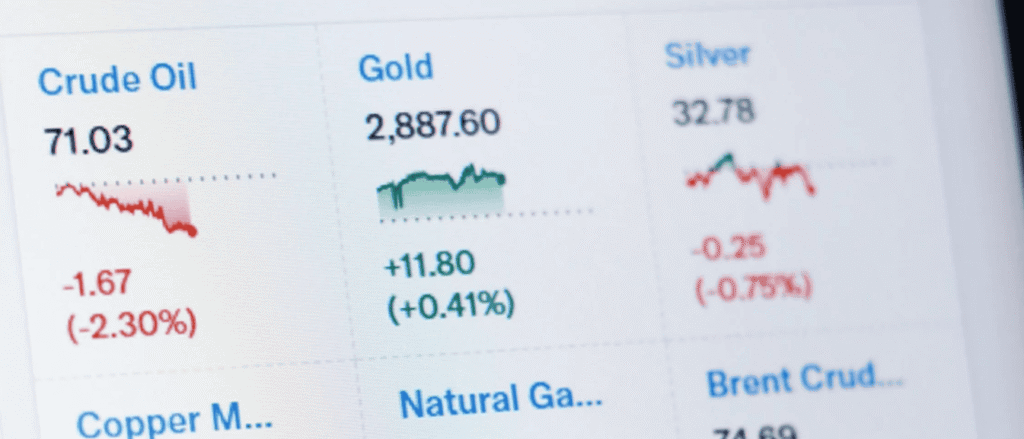
For commodity-exporting emerging market and developing economies (EMDEs), recent years have delivered something more unsettling than the usual commodity cycle of boom and bust. Overlapping
Financing the AI boom: Winners and losers in corporate bond markets
The expansion of artificial intelligence has triggered a surge of investment and rising equity values at technology firms. The largest firms, known as ‘hyperscalers’, issued
Connecting payment systems, linking economies

Several countries are working to interlink their domestic fast payment systems in order to reduce costs and improve the speed and transparency of cross-border payments.
At risk or responsive: Rethinking unemployment policy

Public services increasingly use predictive algorithms to direct scarce support towards those most at risk. But are these also the people who benefit most from
Why downturns can make innovation greener

Green innovation is central for the transition to a low-carbon economy, but there are concerns that economic downturns may slow technological progress by reducing firms’
Detecting institutional change as it unfolds: Evidence from 120 years of reporting

Explaining comparative economic development requires identifying the causes of institutional change. This column uses AI to analyse 120 years of newspaper coverage and produce a
Financial sanctions and the global payments network

Direct evidence on the effects of financial sanctions remains limited. This column uses correspondent banking data to study how sanctions affect access to global payment
Ahead of a presidential election, France first needs to help itself on debt

When could market stress justify European Central Bank intervention over French debt and what must France do first for such support to be defensible? After
The size and speed of tariff pass through into consumer prices
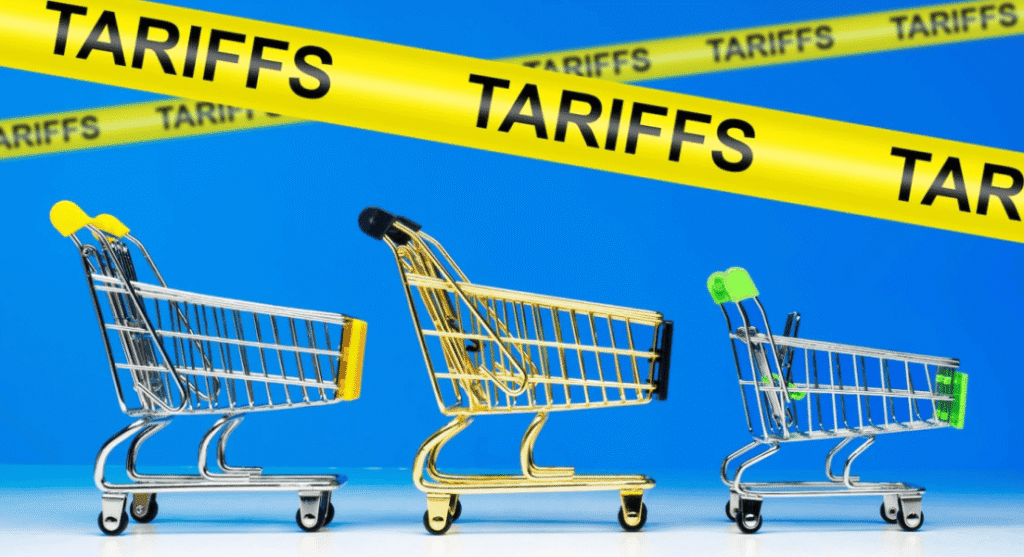
The 2025-26 US tariffs have renewed the question of how much of a tariff reaches consumers, and how quickly. This column traces tariffs through import,
Ratings, debt, and deficits: An exploration

What matters more for sovereign credit ratings – today’s debt or tomorrow’s deficits? This column explores how ratings weigh the two and finds that ratings