

On the effectiveness of the sanctions on Russia: New data and new evidence

There has been an unprecedented increase in the number of sanctions imposed in world over the past 70 years, raising questions over their effectiveness. This
Charting the uncharted: The (un)intended consequences of oil sanctions and dark shipping

Despite formal restrictions, untracked oil continues to reach global markets, calling into question the true effectiveness of oil sanctions. This column presents a novel ship
Will China’s economy follow the same path as Japan’s?
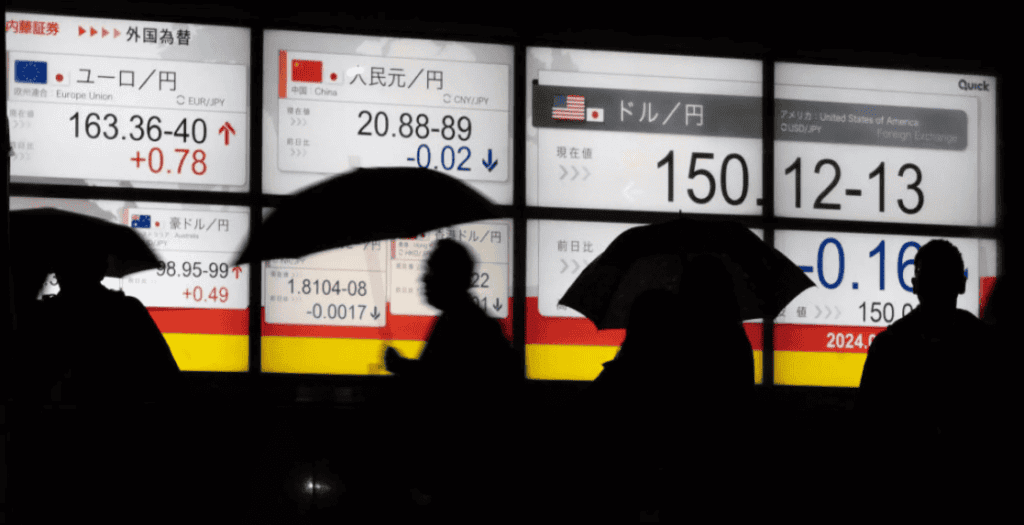
Since the bursting of China’s real-estate bubble in mid-2021, there has been a growing concern that the Chinese economy could end up like that of
BRICS’ climate leadership aims hang on healing deep divides

Ambitions by the BRICS group to take on a greater climate leadership role, building on success last month at United Nations nature talks, depend on
Fitch assigns negative outlook to India’s Adani Energy on US probe risks

Fitch Ratings has assigned a negative outlook to Indian energy infrastructure company Adani Energy Solutions Limited, citing concerns over corporate governance and potential risks from
JPMorgan joins Goldman, hikes euro area’s 2025 economic growth forecast

J.P.Morgan joined Wall-Street peer Goldman Sachs to forecast a boost to the euro area’s economic growth for 2025 on the back of Germany’s fiscal loosening
Euro zone investor morale brightens substantially in March
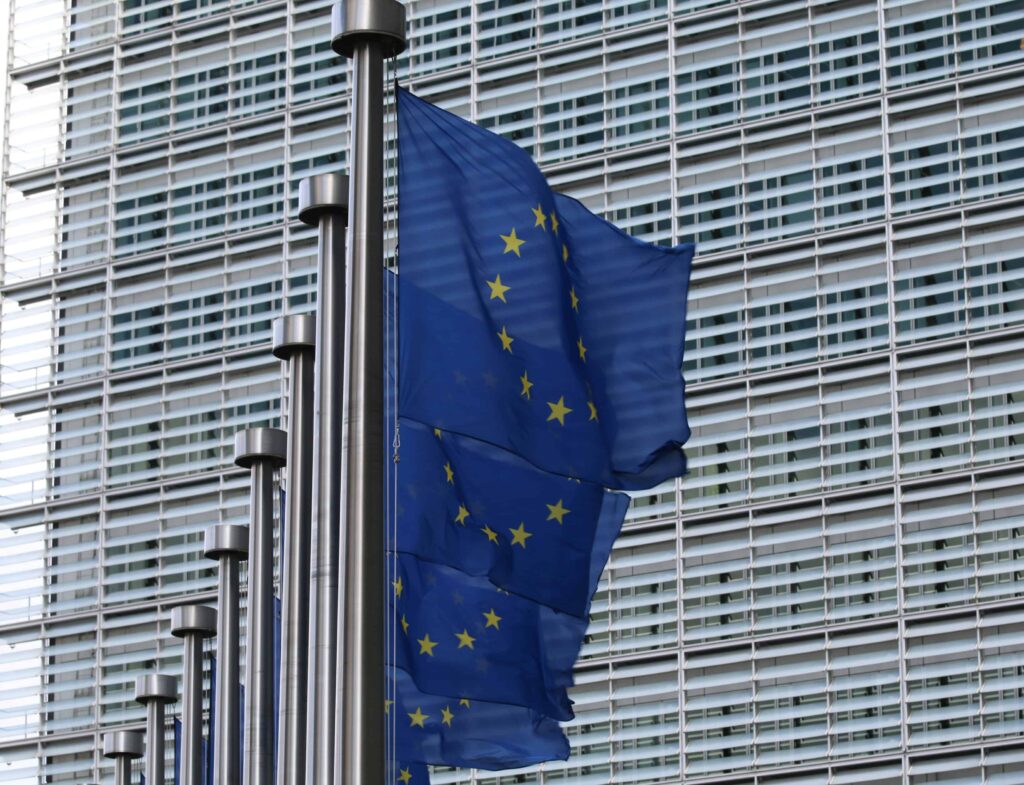
Investor morale in the euro zone brightened substantially in March, with economic expectations hitting their highest reading since July 2021, a survey showed on Monday,
EU ministers to discuss joint borrowing for defence, use of existing funds
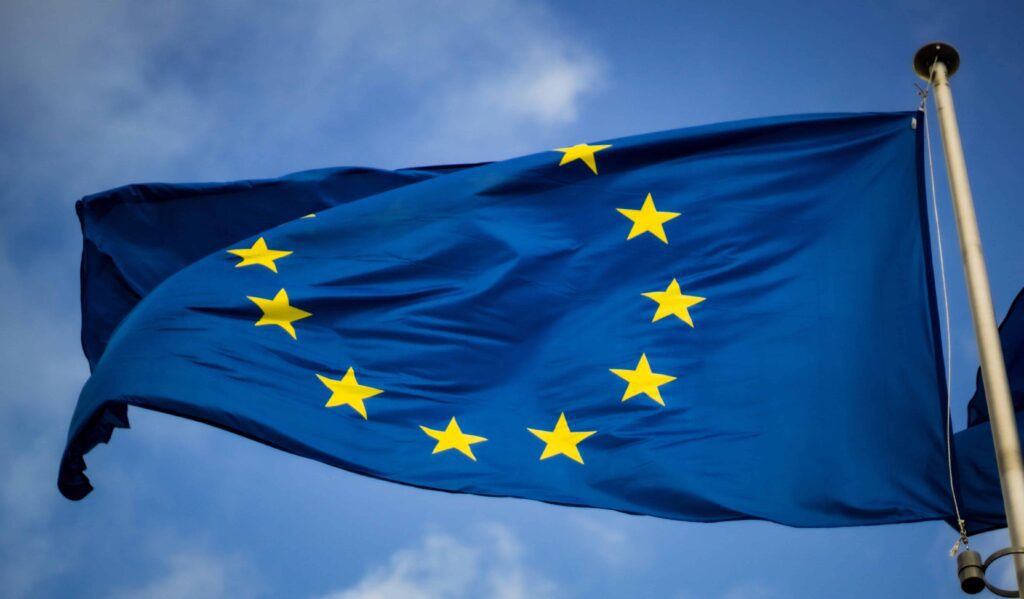
European Union finance ministers will discuss on Monday how to pay for defence through new joint borrowing, existing EU funds and a greater role for
Bitcoin down 5.47% at $81,554.67
Bitcoin, the world’s largest cryptocurrency by market value, was down by around 5.47% at $81,555 at 2216 GMT on Sunday. Ether, the second largest cryptocurrency,
Industrial policy in the EU: Working together to get it right
EU countries are increasingly turning to industrial policy to boost growth and productivity, while accelerating the green transition, in an environment of limited fiscal space.