


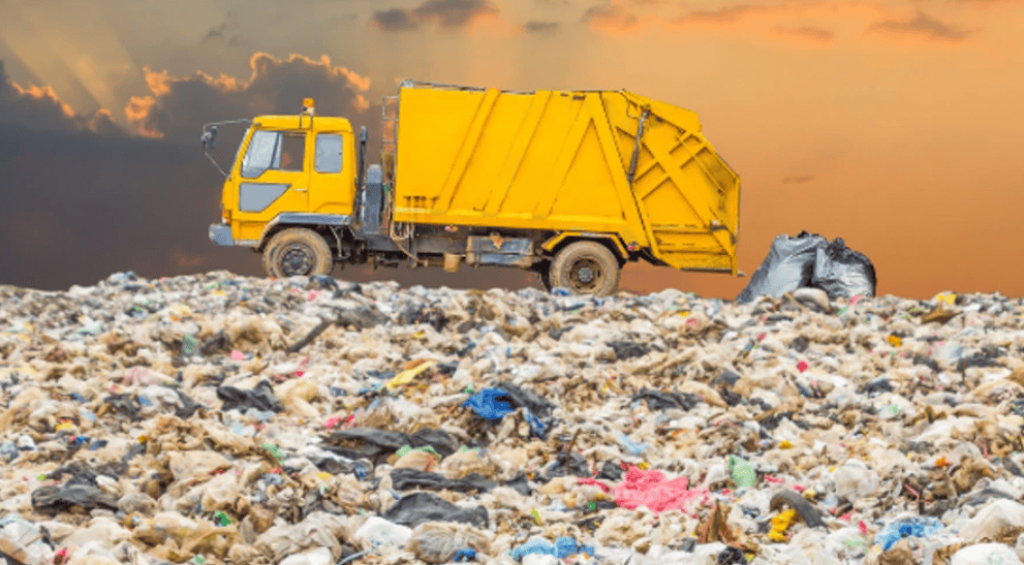
It’s 7 AM, and the rumbling of a garbage truck jolts you awake. The beeping as it backs up, the mechanical whirr as it hoists and tips a dumpster, and the clatter of glass and metal tumbling into the truck are all part of the morning’s symphony.
But waste collection is more than just noise and routine. Did you know that there are several ways to make urban waste collection more efficient and cost-effective?
In our report “Municipal Solid Waste Cost Calculation Technical Guidelines for Low and Middle-Income Countries,” we explore how adjusting a few key factors can optimize waste collection costs, yielding economic benefits and a greener planet.
1. Optimize Travel to Disposal Sites
The distance between where waste is picked up to its final disposal site can impact waste collection costs significantly. The further a vehicle needs to travel, the more fuel it will consume and the less time it will have to cover other waste collection routes.
To alleviate these costs, cities can consider investing in transfer stations. These stations consolidate waste from multiple collection routes, reducing the distance each collection vehicle must travel, cutting down on fuel consumption, and saving time. However, transfer stations also add costs to the overall system and may not be economical for all cities, particularly when the distance to a waste disposal site is less than 35 km.
2. Hone Loading Times and Locations
Time is money, especially in waste collection. That’s why reducing the time it takes to load waste into collection vehicles can reduce collection costs significantly.
Depending on a city’s layout, a containerized collection system can speed up waste collection by reducing the time it takes to load waste into vehicles. Containers like dumpsters and bins are quicker to lift and empty compared to uncontained piles of waste, significantly boosting overall service efficiency and cutting operational costs.
It’s also important to pick the right locations for waste containers. Containers installed on main road are easily accessible by waste collection vehicles. However, cities should avoid placing containers in back yards and other hard-to-reach areas, as this can increase vehicle maneuvering time and operational expenses.
3. Change Collection Frequencies
Balancing how often waste is collected with how much waste is being generated is crucial. If waste is collected less frequently, more containers will be needed to collect the same volume of waste.
However, collecting waste more frequently with smaller containers instead might not necessarily reduce collection costs as the quantity of waste might fluctuate over time.
In densely populated areas with multistory buildings,daily or even twice-daily collections might make sense. In less populated areas with family houses, lower collection frequencies may be more cost-effective. Tailoring the service to fit the local context can lead to significant savings.
4. Balance Vehicle Sizes with Efficiency
While larger waste collection vehicles may seem more efficient because they can carry more waste, they might not always be the best choice.
Smaller vehicles have lower investment and operating costs, are quicker to load and thus capable of making multiple trips per shift, and are able to navigate areas with narrow streets or weight restrictions a lot easier. A balanced approach between small and larger vehicles can significantly optimize the cost of collection and transportation systems.
5. Improve Working Shifts
Beyond the optimization of collection routes and vehicle sizes, the duration of working shifts for waste collection crews can also influence costs.
Transitioning from one working shift to two can reduce the number of vehicles needed. A second shift can help crews avoid waste collection during high-traffic hours, further improving efficiency and reducing operational costs.
As our cities grow, so must our waste management strategies. By implementing these five solutions, cities can pave the way to a more sustainable future, one garbage collection at a time.
Funding for the “Municipal Solid Waste Cost Calculation Technical Guidelines for Low and Middle-Income Countries” report was provided by PROBLUE, an umbrella multi-donor trust fund housed at the World Bank that supports the sustainable and integrated development of marine and coastal resources in healthy oceans.
Source : World Bank