

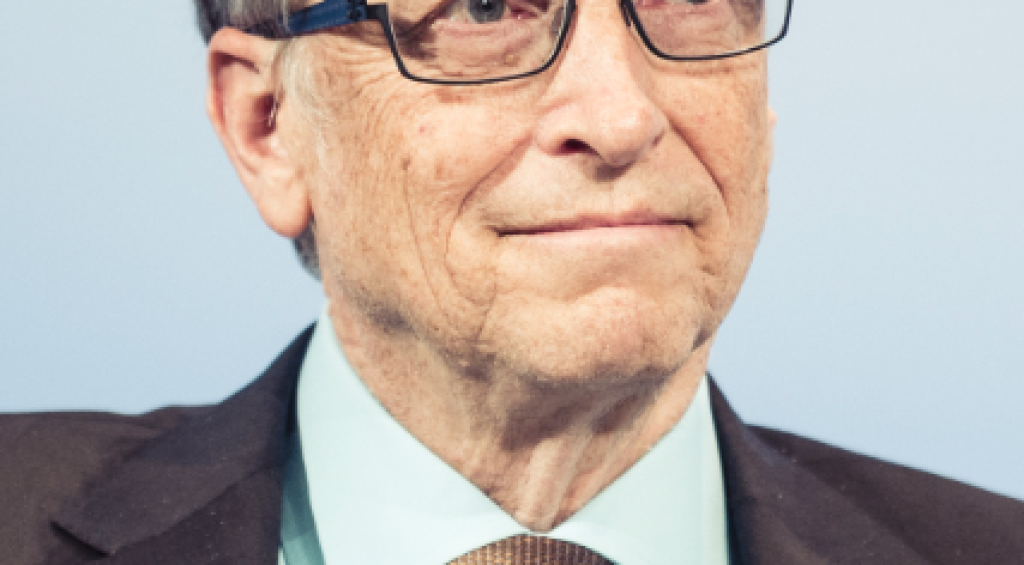
Chinese President Xi Jinping discussed the global rise of artificial intelligence with Bill Gates on Friday and said he welcomed U.S. firms including Microsoft bringing their AI tech to China, two sources familiar with the talks said.
Xi also discussed Microsoft’s business development in China during their meeting in Beijing, one of the sources said.
Gates, who co-founded Microsoft, stepped down from the company’s board in 2020 to focus on philanthropic works related to global health, education and climate change.
The comments on AI made at the meeting between Xi and Gates were not disclosed in reports of the meeting published by Chinese state media or in a Friday post by Gates reflecting on his China trip.
When asked for comment, the Bill & Melinda Gates Foundation directed Reuters to the post.
China’s State Council Information Office, which handles media queries on behalf of the Chinese government, and Microsoft did not immediately respond to requests for comment.
Xi has previously said China needs to seize opportunities to use AI to drive economic development, but has also cautioned about its risks, with the country weighing up a new law on the technology as well as rules for generative AI.
His meeting with Gates comes as U.S.-China relations are at their lowest point in decades, with AI a key flashpoint.
The U.S. has enacted a series of export controls aimed at restricting China’s AI development, while China has unnerved the foreign business community with a crackdown on consultancies and a ban on some sales in China by U.S. chipmaker Micron.
Microsoft is a backer of OpenAI, whose chatbot ChatGPT ignited a global AI buzz last year that has spread to China.
OpenAI and ChatGPT itself are not blocked by Chinese authorities, but OpenAI does not allow users in some countries, including mainland China and Hong Kong, to sign on.
Microsoft has been in China for more than 30 years and has a large research centre there. Its Bing portal is the only foreign search engine accessible from within China’s so-called Great Firewall, although its search results on sensitive topics are censored.
The U.S. tech giant has faced problems in China in recent years as the country tightened its control over the internet sector.
In 2021 it pulled the plug on LinkedIn China, replacing the social networking app with a stripped-down version focused only on jobs.
It announced in May that it would also shut that app in China, citing fierce competition and macroeconomic challenges, but said it would retain a presence in the country.
Source : Reuters