

Socioeconomic inequality in longevity is larger than we thought
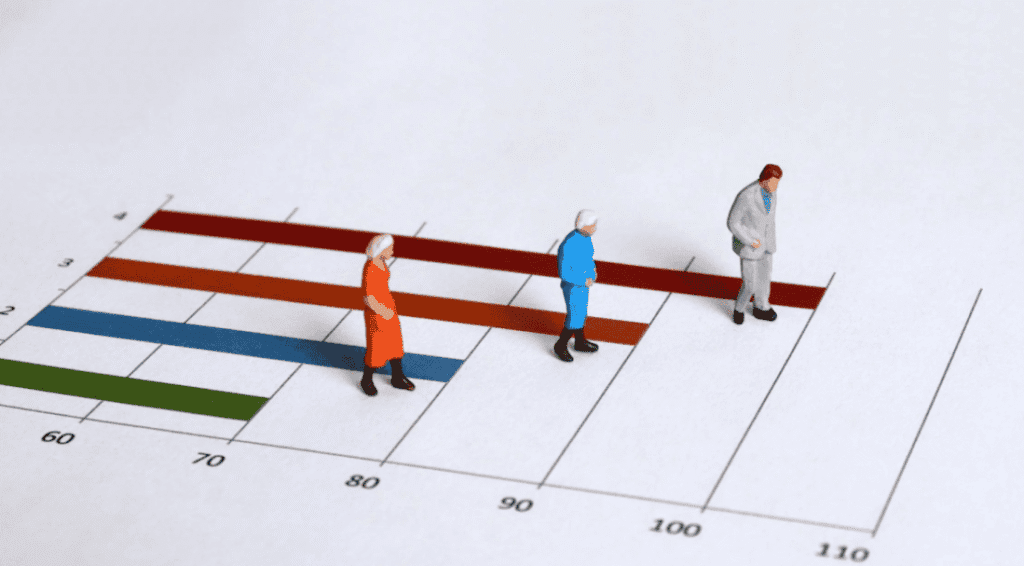
It is well established that individuals with higher socioeconomic status live longer than those with lower socioeconomic status, but most evidence on this is based
Wealth shocks tilt the balance toward self-insurance for long-term care

When older adults need paid long-term care, most rely on their own assets unless they hold private long-term care insurance or qualify for Medicaid. This
How can data from space shape the future of agriculture?
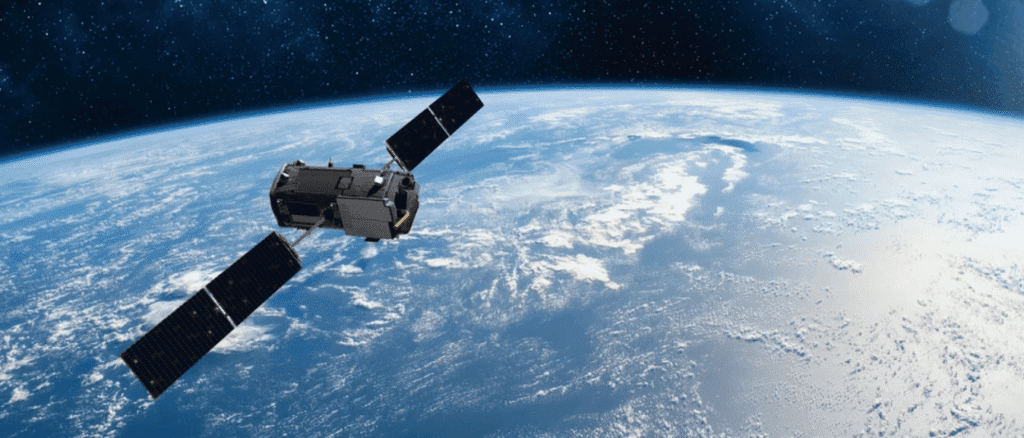
Have you ever wondered how satellites orbiting thousands of kilometers above Earth can help farmers on the ground grow more food? From mapping land use
Households’ inaction in the deposit market
The sharp rise in interest rates since 2021 has not been matched by equal increases in household savings rates in advanced economies. This column uses
The ‘silver spoon’ is becoming more important in the Netherlands

Wealthy parents influence their children’s wealth directly – such as through inheritances or gifts – and indirectly, through family and environmental factors. This column compares
The importance of information for tax design: Evidence from the French wealth tax

Many countries are considering introducing or reforming their wealth tax policies. This column studies the effects of a French wealth tax reform, which reduced reporting
Climate adaptation and inequality: Lessons from Cape Town’s drought
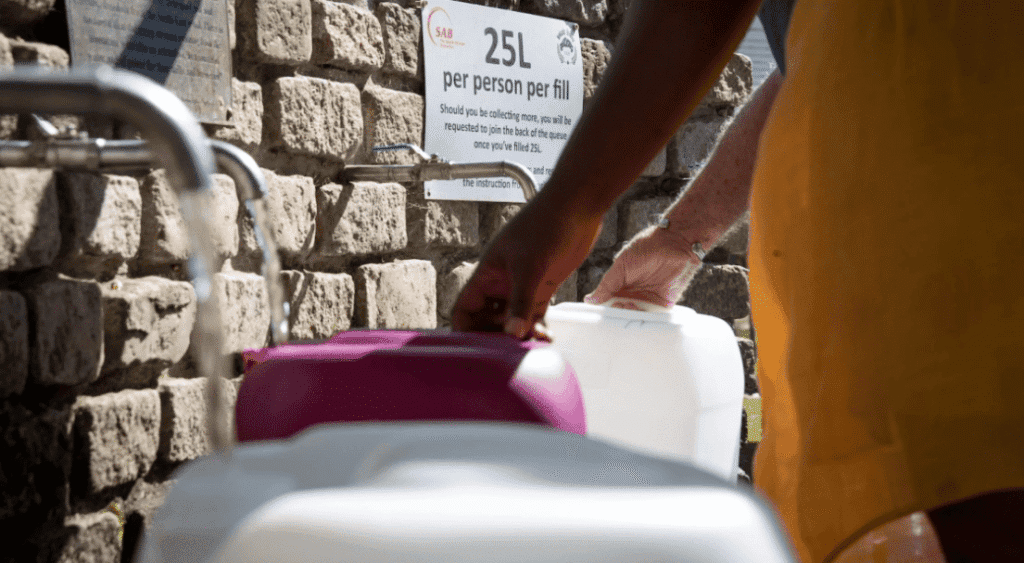
A growing number of urban areas around the world face water scarcity. Focusing on the prolonged drought that Cape Town experienced from 2015 to 2018,
When illusions of wealth shape the economy: Understanding pseudo-wealth, macroeconomic volatility, and social welfare
Pseudo-wealth is a perception of wealth that is not backed by real economic resources. When people have widely different beliefs, they create ‘wealth’ through betting.
Developing world cities: Poverty traps versus pathways to prosperity
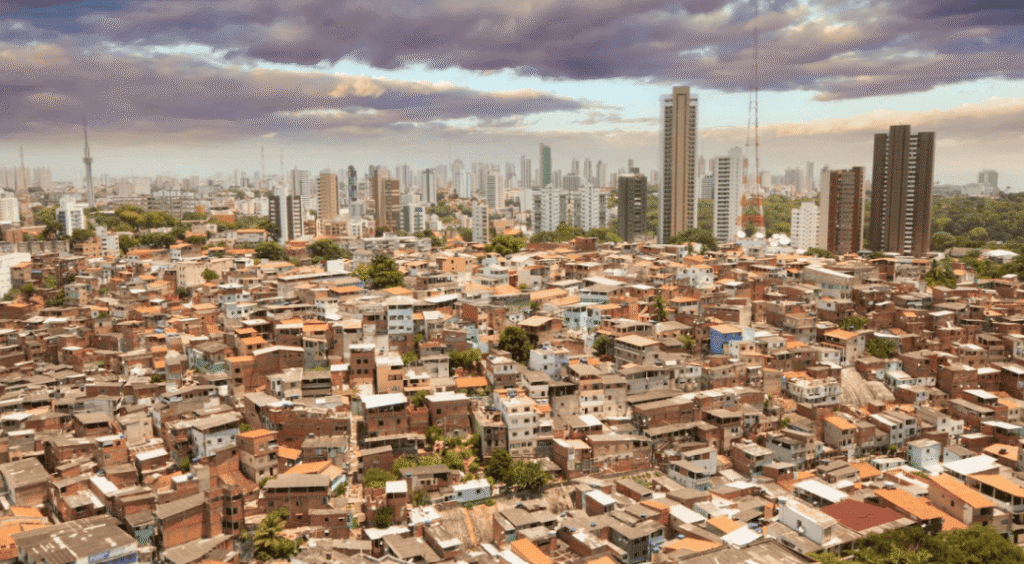
In higher-income countries, urban proximity has been shown to enhance workers’ skills and income, but less is known about low- and middle-income countries. This column