

Navigating geoeconomic risk in the US stock market
Geoeconomic risk has become a first-order concern for investors. This column shows that domestic US stocks expose investors to substantial geoeconomic risk through firms’ global
Geopolitical risk is reshaping global finance, one bank loan at a time
Geopolitical tensions are increasingly reshaping the flow of trade, investment and capital flows. This column documents that the same process is also reshaping bank lending.
Trump welcomes Xi to Washington looking for a trade win
US President Donald Trump welcomes Chinese President Xi Jinping to the White House on Thursday for a lavish state summit expected to be heavy on
Beyond trade diversion: How the US-China trade war reshaped global production
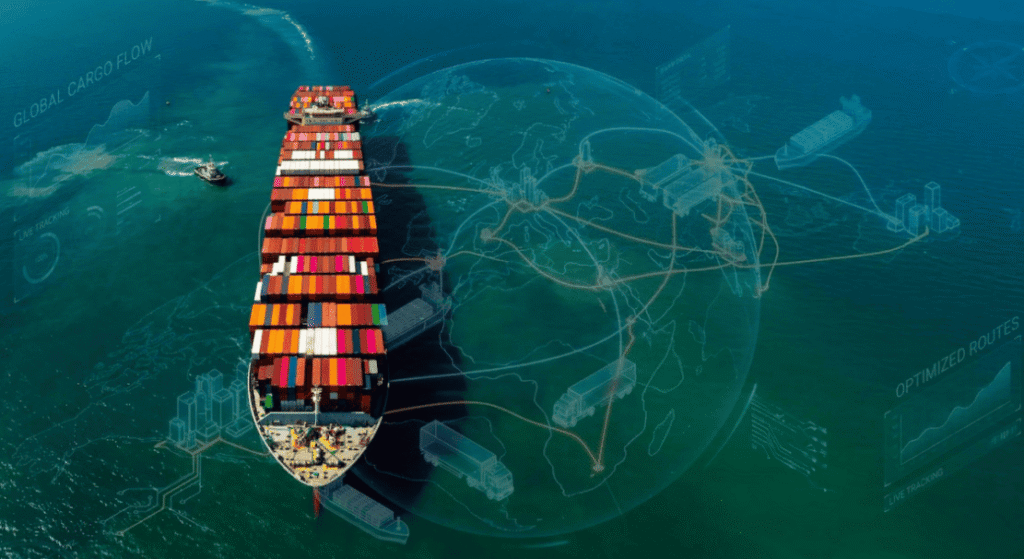
Trade wars do not simply redirect exports; they also reshape the costs of production, disrupt supplier-customer relationships, and trigger adjustments within multinational firms’ global affiliate
Spilling secrets and shrinking chains: How weak laws narrow supply networks

Modern manufacturing often requires firms to share confidential information with outside suppliers, some of whom also supply their competitors. Using more than 160,000 contracts from
The implications of climate change for monetary policy
Climate change and the transition to net zero are reshaping the macroeconomy, with important implications for monetary policymakers’ core price-stability objectives. As physical hazards become
When trade sanctions increase the target’s trade
Data show that trade sanctions reduce commerce between the countries imposing them and their targets. But this bilateral success can conceal a wider failure if
A nascent international financial channel of China’s monetary policy transmission
China is the world’s second-largest economy, and its monetary policy can affect global demand and trade. Using granular mutual fund data, this column finds that
When statistics lie: Using satellite data to track Russia’s wartime economy

Official Russian statistics report a mild recession in 2022 following the full-scale of Ukraine but suggest that Russia has since fully recovered. This column argues
The exorbitant privilege of the periodic table
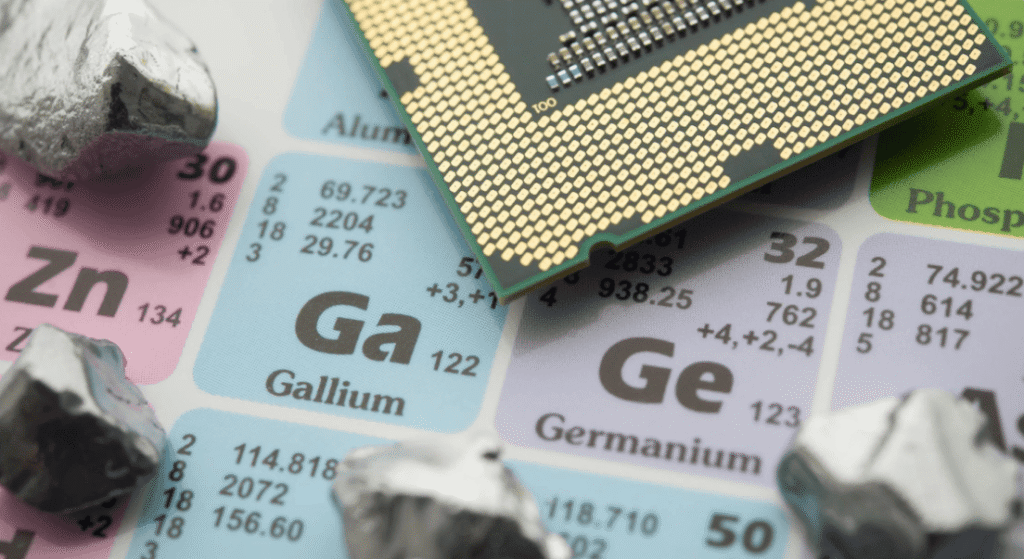
Trade in critical metals essential for electrification has become centred on China over the last three decades. This column introduces a new framework in which