


Yen and euro struggle as Japan and France’s political dramas heat up
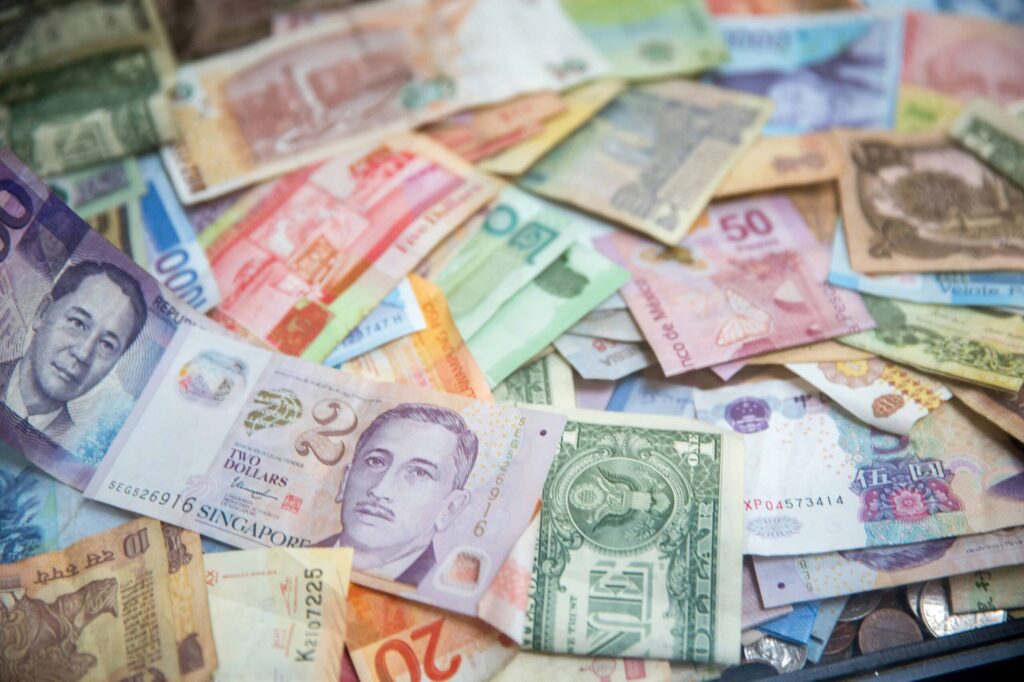
French political quagmire leaves euro at two-month lows. The yen stabilised on Friday but was still headed for its steepest weekly drop in a year
Egypt’s annual inflation slows to 11.7% in September
Annual inflation has plunged from a record high of 38% in September 2023. Egypt’s annual urban consumer price inflation slowed to 11.7% in September from
Communicating monetary policy by a committee: Echoes that move markets

Central banks rarely speak with one voice. At the Federal Reserve, for instance, each official brings a distinct perspective, and markets parse every speech for
25% inflation, 50 years on

UK CPI inflation in 1975 reached 25%, a period now known as the ‘Great Inflation’. This column uses a range of empirical and narrative evidence
The return of inflation: Why ‘look through’ can backfire under incomplete information

Central banks facing post-pandemic inflation often considered ‘looking through’ supply shocks. Using a New Keynesian framework in which agents gradually learn whether a cost-push shock
Dollar choppy after Fed decision; pound steady after BoE keeps rates steady
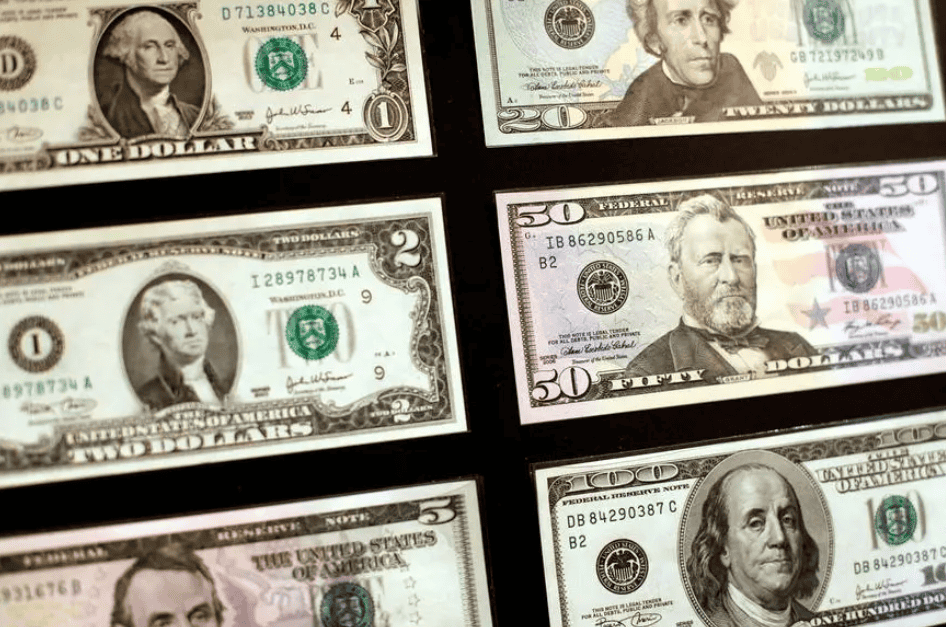
The pound initially edged up after the BoE’s decision, but pared those gains to trade slightly lower on the day at $1.3622. The U.S. dollar
Gold uptrend intact, but due for correction before topping $4,000 in 2026

Spot gold was trading around $3,680 per ounce on Tuesday after hitting a record $3,689.27 earlier in the session. Gold’s stellar rally to successive record
Loose monetary policy, dollar depreciation, and debt sustainability: Do not forget Venice

History suggests that using lax monetary policy and a weaker currency to address debt sustainability is a dangerous game. This column revisits a unique early
The Federal Reserve, the new administration, and the outlook for the economy and monetary policy

The new US administration has made the Federal Reserve’s monetary policymaking more complicated both because of the elevated uncertainty regarding administration policies and because of
Recent patterns in global risk behaviour in financial markets

Following the US tariff announcements in early April, the US dollar strongly depreciated while US Treasury yields rose. This column zooms in on the April