


The lasting economic scars of war

Wars leave deep and lasting scars on economies. Using data for 115 conflicts across 145 countries over the past 75 years, this column documents large
Dutch households spend less of their income on fixed and necessary expenditures

Households with high fixed and necessary expenditures relative to income are more vulnerable to income shocks. This column examines fixed and necessary expenditures for middle-income
European stocks fall as traders wait for US inflation data

China’s Shanghai Composite Index hit its highest since August 2015, and European markets initially opened higher, but fell during the session. European stock markets slipped
What money will become: Seven key questions

The digital age has ushered in an era of transformation for money, triggering debates about the role of cryptocurrencies, central bank digital currencies, stablecoins, and
Bank specialization and the transmission of euro area monetary policy

Bank lending is a key channel through which monetary policy affects the real economy. This column explores how the effects of monetary policy on credit
How the United States is eating Trump’s tariffs

Fed Chair Jerome Powell said tariffs accounted for perhaps 30-40 basis points of the latest core inflation reading of 2.9% but the effect should be
Hidden growth in US manufacturing productivity

Manufacturing is a locus of innovation, yet standard industry data show manufacturing productivity stagnating in the US. This column argues that standard measurements understate true
Wall Street’s bull market nears three years old; history shows it may still have life

The U.S. stock market’s bull run is almost three years old, but if history is a guide, that would make it only middle-aged. The S&P
Egypt’s annual inflation slows to 11.7% in September
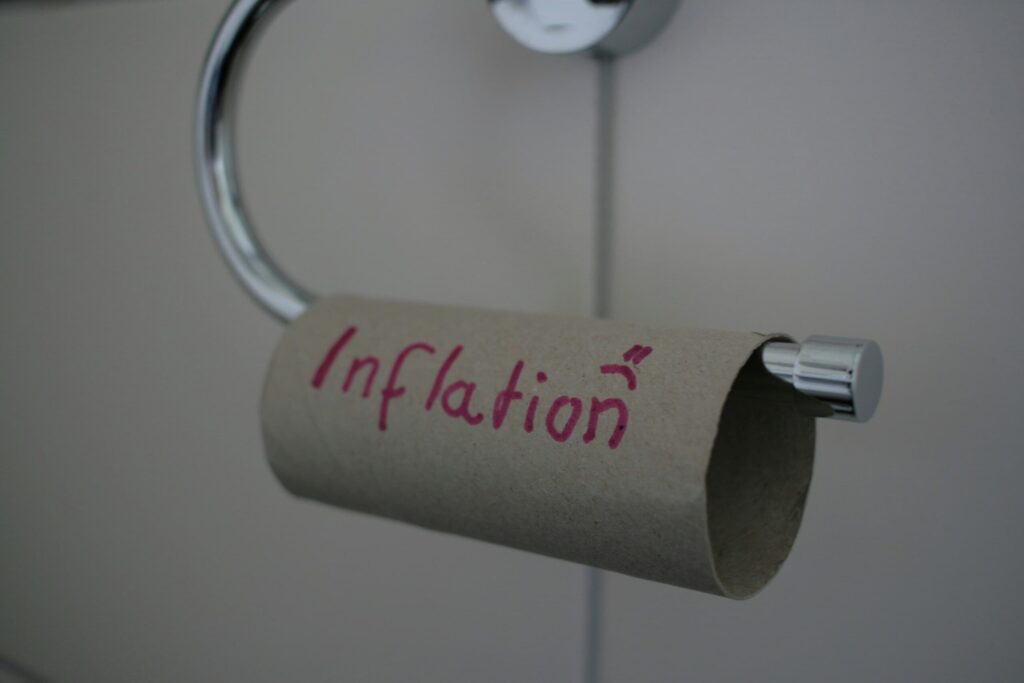
Annual inflation has plunged from a record high of 38% in September 2023. Egypt’s annual urban consumer price inflation slowed to 11.7% in September from
Rational inattention and information provision experiments

Surveys with information provision experiments have become popular in economics. This column introduces an information provision experiment in a model of rational inattention – where