

The size and speed of tariff pass through into consumer prices
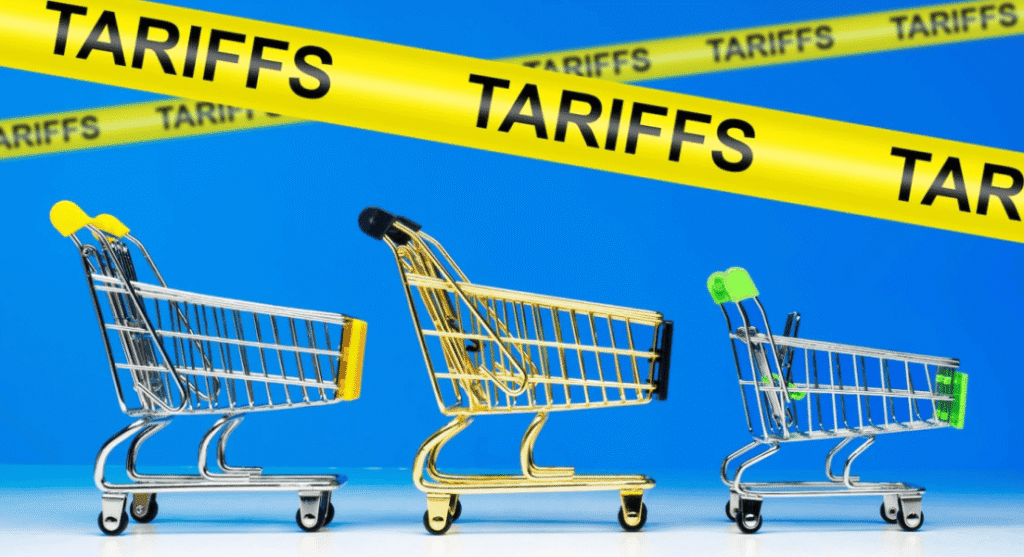
The 2025-26 US tariffs have renewed the question of how much of a tariff reaches consumers, and how quickly. This column traces tariffs through import,
Ratings, debt, and deficits: An exploration

What matters more for sovereign credit ratings – today’s debt or tomorrow’s deficits? This column explores how ratings weigh the two and finds that ratings
Your debt, my inflation: The role of trust in the ECB

High public debt in several euro-area countries has renewed the debate over a central question: can fiscal pressures in one member state affect inflation expectations
Not all geopolitical shocks are inflationary

Geopolitical tensions are often seen as a source of inflation. But this is only part of the story. This column shows that geopolitical shocks transmitted
Taiwan plans $13bln in extra energy spending given high global prices

Taiwan has not passed on most of the rising costs to consumers, and it heavily subsidises energy bills, helping to keep inflation down. Taiwan’s government
Fed’s Williams sees no urgency for next Fed rate hike

Fed’s Williams says there’s time to parse data before raising rates again Federal Reserve Bank of New York President John Williams said on Tuesday that
The implications of climate change for monetary policy

Climate change and the transition to net zero are reshaping the macroeconomy, with important implications for monetary policymakers’ core price-stability objectives. As physical hazards become
Financial engineering is no substitute for interest rates: Lessons from Türkiye
The Turkish central bank cut interest rates over 2021-2023, on the politically driven view that higher rates cause inflation. This column analyses the policies used
The inflation rate fell but many workers’ pay cheques did not keep up

Inflation in the US has receded from its 2022 peak. This column uses payroll records from 2016 to 2025 to show that many workers have
Why Europe needs Eurobonds

The 2024 reform of the EU fiscal framework makes fiscal adjustment more country-specific and less procyclical. However, it does not eliminate two fundamental tail risks: