
Fast payments and digital ID: Making everyday payments safer, simpler, and more efficient

Imagine this situation – María runs a small grocery shop, and one afternoon she receives a message asking her to pay a supplier urgently through
Mortgage borrower actions dampen the impact of higher rates on monthly payments
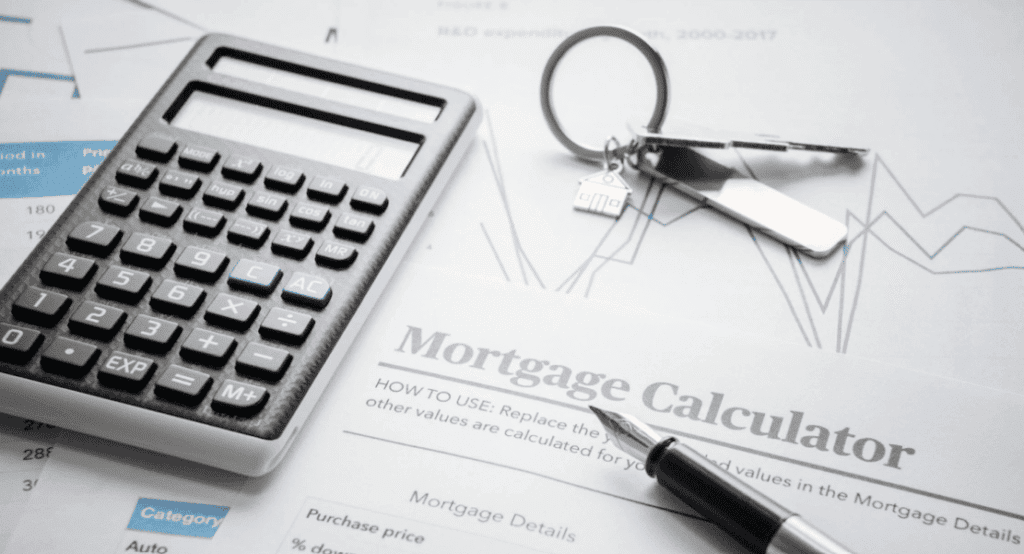
The surge in inflation following the COVID-19 pandemic prompted many central banks to raise interest rates sharply. This column combines data from a large German
The nitrogen paradox: Every sweet hath its sour

When the philosopher and poet Ralph Waldo Emerson wrote in 1841, “Every sweet hath its sour; every evil its good”, nitrogen was surely the last
When war weakens democracy
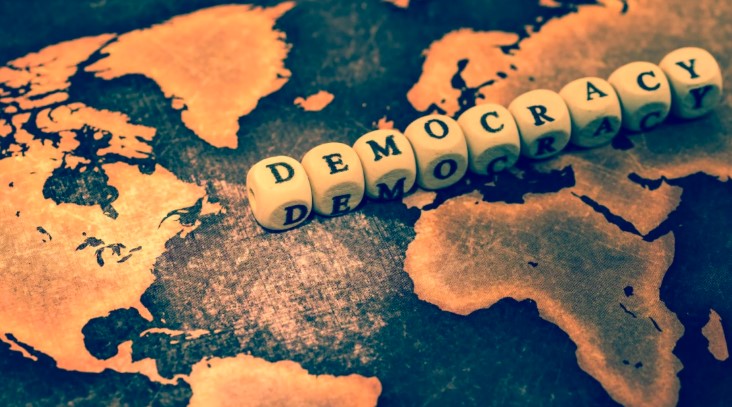
Wars do not end when the fighting stops. This column uses data covering 115 conflicts and 145 countries over the past 75 years to show
Why inflation may respond faster to big shocks: The rise of state-dependent pricing

Macroeconomic models distinguish time-dependent pricing, where firms change prices at fixed intervals, from state-dependent pricing, where firms change prices in response to changing demand or
Productivity, firm size, and why distortions hurt developing economies
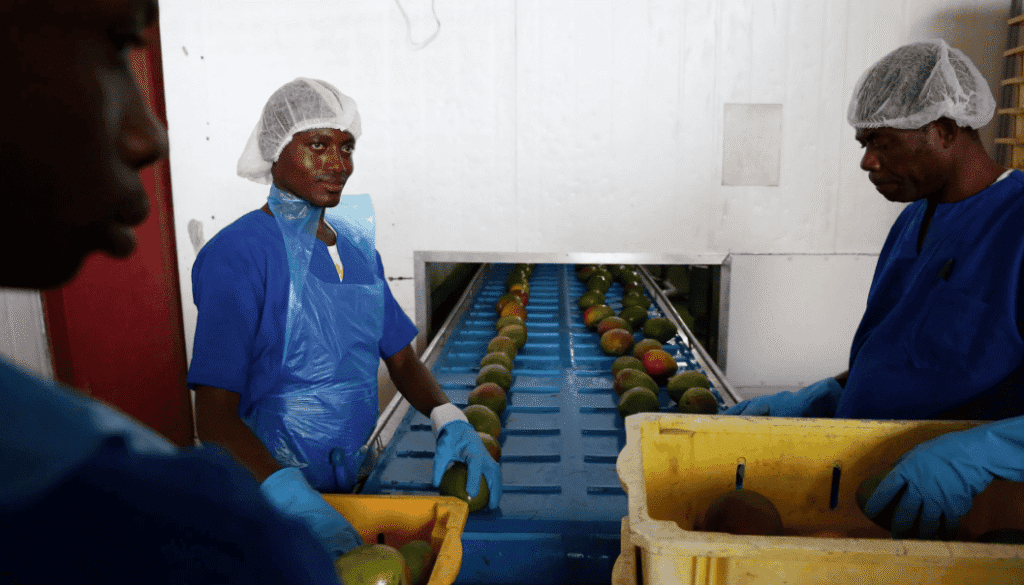
In many developing countries, productive firms remain too small, while less productive firms are too large. Such misallocation contributes to losses in aggregate productivity. This
Better regulation in the European Union needs a fresh start

A solid EU better regulation framework is undermined by gaps in coverage and quality, making consistent application and stronger oversight essential. Despite having developed a
The limited effects of regulating greenwashing: Evidence from Europe’s Sustainable Finance Disclosure Regulation
Disclosure-based regulation is often seen as a low-cost way to address greenwashing. This column uses European mutual fund data to assess the impact of the
Income, democracy, and growth: Broadening the perspective

Does prosperity bring democracy? Does democracy boost prosperity? This column argues that the answer to both questions depends critically on whether a country has made
Geopolitics as a monetary shock: The ‘silent tightening’ in the European banking system
Geopolitical tensions have once again seized the centre stage of macroeconomic policy debates. From Russia’s ongoing war in Ukraine to instability in the Middle East,