

After ‘the change’: How menopause affects women’s labour and health outcomes

The labour costs associated with the menopause transition have been largely understudied. Exploiting the individual timing of menopause, this column estimates the causal effects of
The political economy of climate policy: Evidence from the American Clean Energy and Security Act

Comprehensive national climate legislation remains elusive in the US. Linking district-level employment to roll-call behaviour in the 2009 House vote on the American Clean Energy
Saudi, UAE school operator Almasar Alshamil’s retail IPO raises $47.9mln

Retail offering oversubscribed by 1.21 times, indicating strong investor interest. Almasar Alshamil Education Company, a provider of specialised education in the GCC, has raised SAR
Is AI making us smarter or just making us look smart?

Here’s an uncomfortable truth: Students can ace every assignment in class and learn virtually nothing. Conversely, they can struggle through tasks and learn quite a
Exploring how AI can boost people-centered development
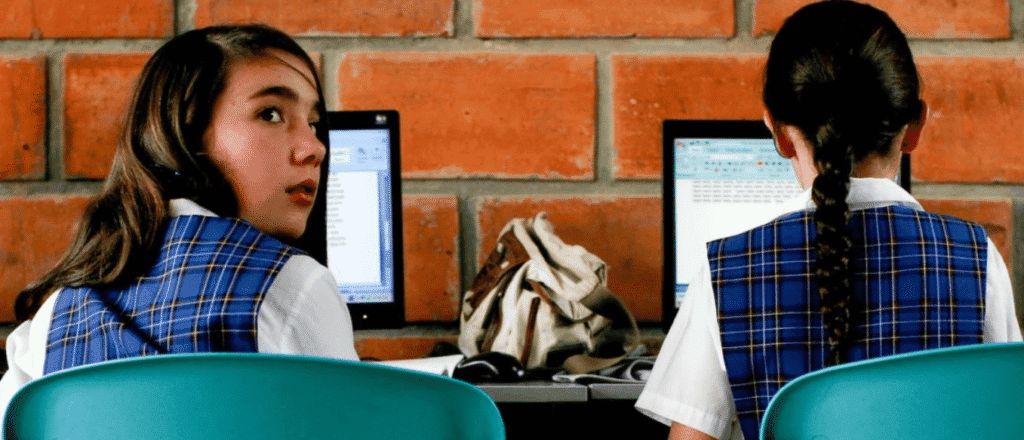
With AI’s potential to transform and improve lives globally, we should consider what really works to leverage AI for people. At the World Bank, we are
Labour market institutions for the AI era: The need for verified employment records

The rise of AI fundamentally alters the balance between formal credentials and verified experience in labour markets, but without verified employment records, experience remains invisible.
Transforming schools for better learning outcomes

Education is the pathway to jobs and the surest way out of poverty, empowering generations to drive economic growth. Yet, for many students, this promise
Confusopoly unveiled: How firms use complexity to raise prices

Can entire markets strategically confuse consumers to raise prices? This column tracks the prices of nearly all mobile phone tariffs and handsets in the UK
Behind the numbers: How we measure global poverty

Did you know? According to the latest estimates from the World Bank’s Poverty and Inequality Platform (PIP), 831 million people worldwide live in extreme poverty, surviving on less
IMF sounds alarm about high global public debt, urges countries to build buffers

The IMF this week edged up its 2025 global growth forecast given a more benign impact from tariffs. Global public debt is projected to rise