


When loss strikes twice: Health shocks and household financial distress

While many advanced economies shield their citizens from the most severe direct medical costs of illness, less is known about how households cope with income
From the China Shock to the global relocation of production: Inequality consequences

Globalisation has raised living standards worldwide but has also fuelled concerns that international competition is eroding middle-class incomes and widening inequality within countries. The column
Big manufacturing economies struggle as US tariffs hit order books
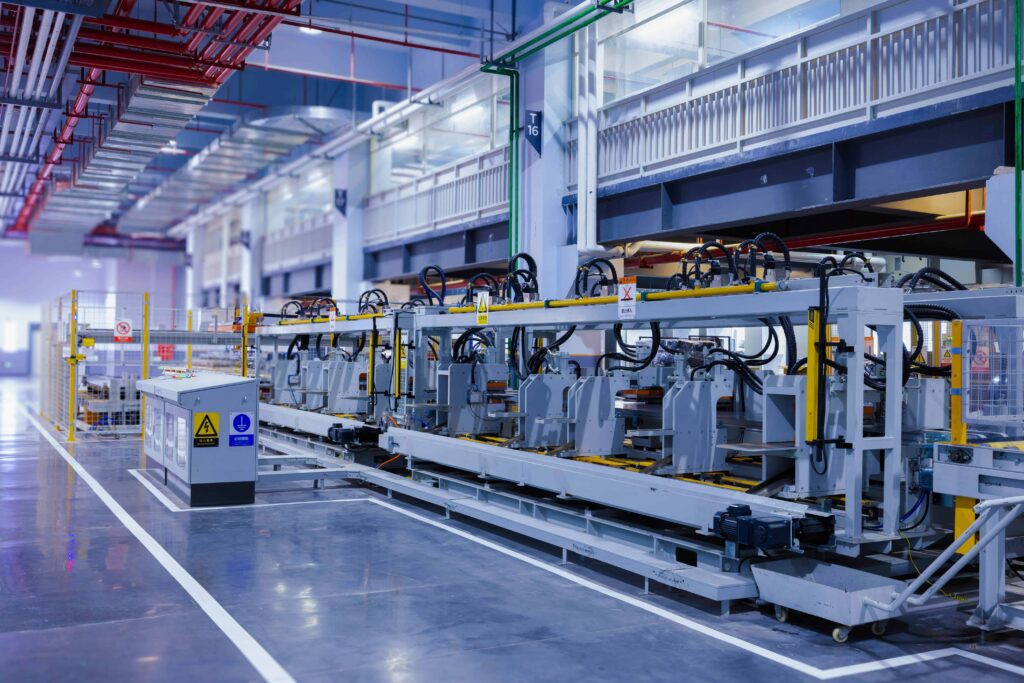
Euro zone factory activity stagnated as new orders flatlined and headcount fell. The world’s big manufacturing economies struggled to fire up in October, business surveys
From policy to results: How legal solutions drive development impact

Strong legal systems are essential to the goals of the world’s development agenda. They enable governments and institutions to design and implement the policies, laws, and
How tariffs hurt the ones you love

US stock markets fell in response to the announcement of President Trump’s “Liberation Day” tariffs until the tariffs were paused a few days later. This
Decoupling without deglobalisation: The new geography of trade blocs

As geopolitical tensions rise, fears of deglobalisation have taken centre stage. However, world trade has remained surprisingly resilient, at least through 2023. This column uses
Global economy showing signs of moderate slowdown says IMF

Global growth is projected to slow from 3.3 percent in 2024 to 3.2 percent in 2025 and 3.1 percent in 2026. The global economy is
IMF sounds alarm about high global public debt, urges countries to build buffers

The IMF this week edged up its 2025 global growth forecast given a more benign impact from tariffs. Global public debt is projected to rise
Gold leaps above $4,100 on Fed rate cut hopes, US-China trade tension

Fed Chair Powell to address NABE annual meeting on Tuesday. Gold prices jumped to a record high above $4,100 on Tuesday, supported by rising expectations
Oil recoups some losses after US-China trade tensions
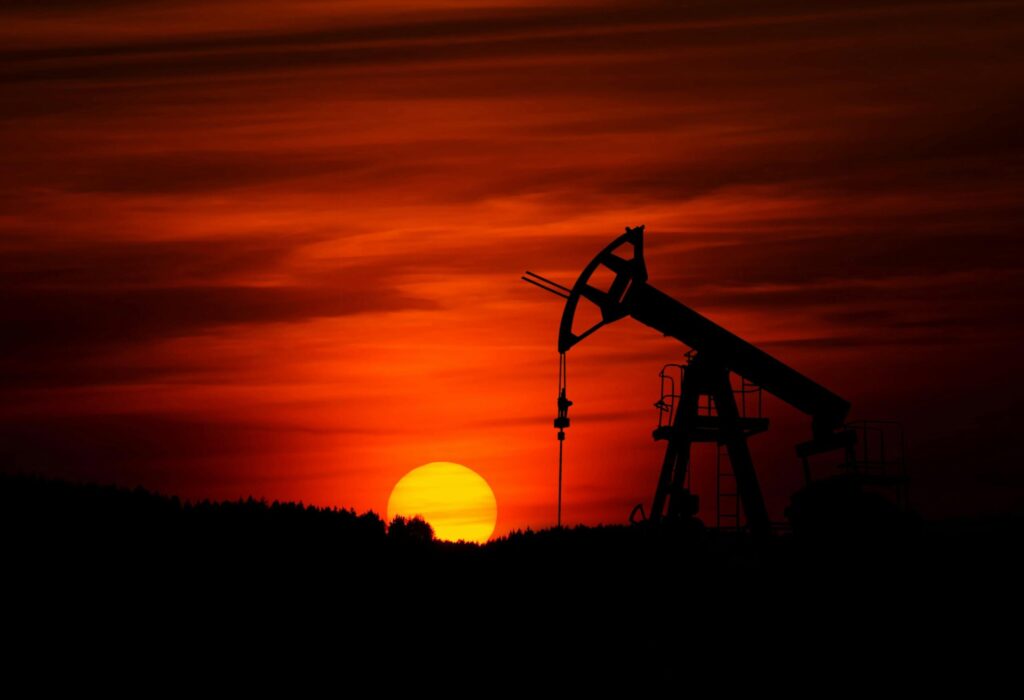
Oil prices rose on Monday after hitting five-month lows in the previous session, as investors focused on potential talks between the presidents of the United