
Mortgage borrower actions dampen the impact of higher rates on monthly payments

The surge in inflation following the COVID-19 pandemic prompted many central banks to raise interest rates sharply. This column combines data from a large German
Winners and losers from remote work: How firm capabilities impact productivity

Work from home is now a permanent feature of how firms organise production, yet its effects on productivity remain unclear. Using new data covering all
Post-pandemic trends in extreme poverty around the world

Years of shocks and imbalanced recoveries have significantly impacted longstanding global poverty trends. In just the last five years, the economic pressures induced by the crises of
The risk of tariffs as a tool to attract manufacturing investment
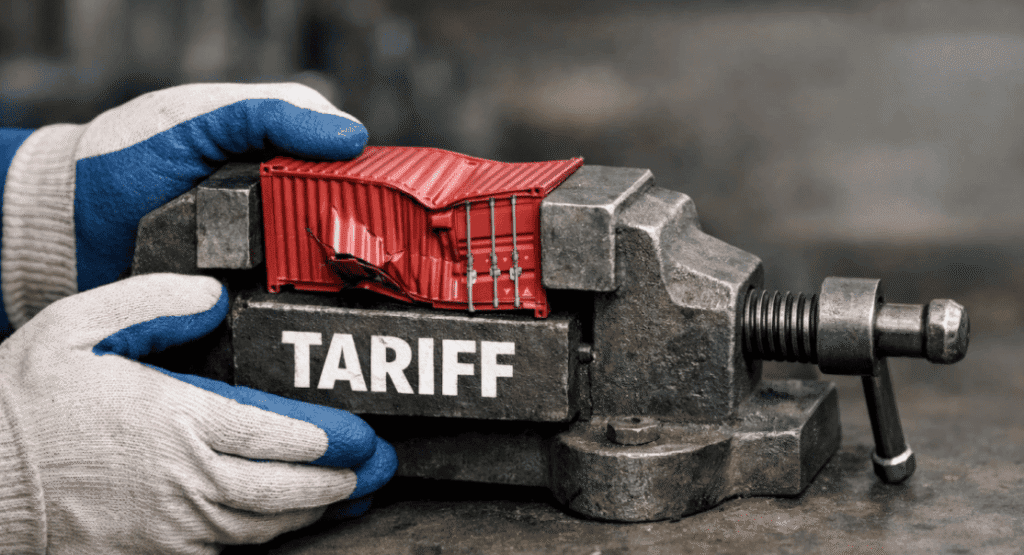
Recent tariff increases have sparked a debate over whether trade protectionism can effectively attract foreign investment. This column analyses how firms adjust their investment strategies
The politics of asylum: How local exposure reshaped UK voting

The UK has seen a sharp rise in asylum applications since the Covid-19 pandemic. This column examines how exposure to asylum seekers affects voter behaviour.
Then and now: A look back and ahead at the US federal budget

There is now widespread concern that the US faces an unsustainable fiscal future under current policies. The rise in the debt-to-GDP ratio since 2001 can
Empowering youth with opportunities and jobs to end poverty

At the beginning of my advocacy journey, I often searched for affordable ways to present myself at events. A friend of mine had launched a
IMF chief says global economy doing ‘better than feared,’ risks remain
IMF Managing Director Kristalina Georgieva said the U.S. economy had dodged a recession feared by many experts just six months ago. The world economy has
COVID-19’s economic impact on low-income countries: preparing for the next shock
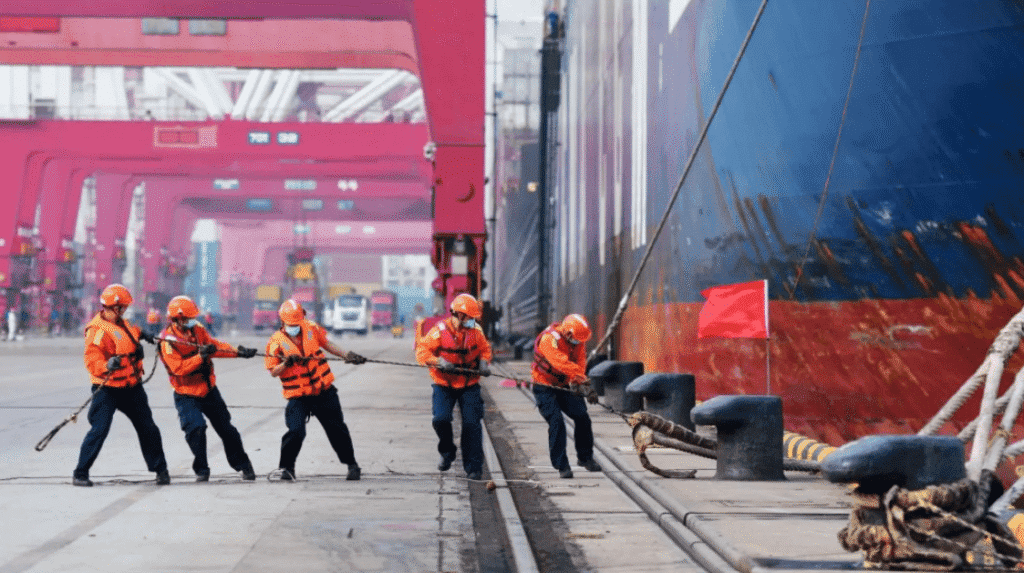
COVID-19 hit low-income exporters hard, exposing risks from weak diversification and straining trade, supply systems and financial stability. The COVID-19 pandemic sent shockwaves through global
The return of inflation: Why ‘look through’ can backfire under incomplete information
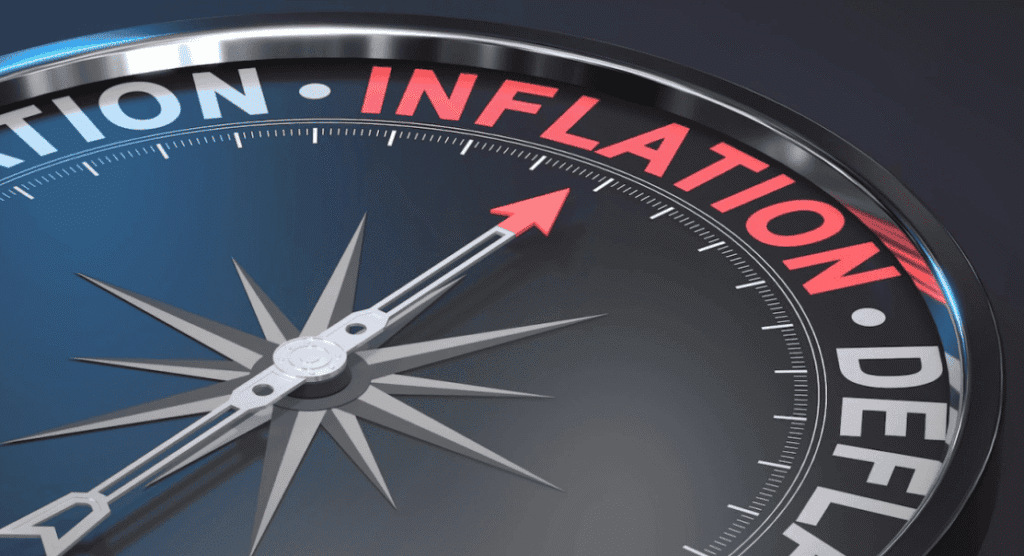
Central banks facing post-pandemic inflation often considered ‘looking through’ supply shocks. Using a New Keynesian framework in which agents gradually learn whether a cost-push shock