
Beyond flows: How natural gas supply risk fuels inflation

Europe’s output losses proved limited following the 2022 cutoff of Russian gas flows, yet inflation rose sharply. This column uses weather variation and gas-market events
When Wall Street drifts from Main Street: Consumption as an anchor for stock prices

Debate over whether buoyant equity markets reflect durable economic gains or a widening gap between Wall Street and Main Street has intensified with the AI
Tax policy considerations for the circular economy

EU fiscal systems still favour linear production, as virgin extraction stays largely unpriced and labour-intensive repair is penalised. About 88 percent of materials are thrown
How data centres affect electricity prices and for whom
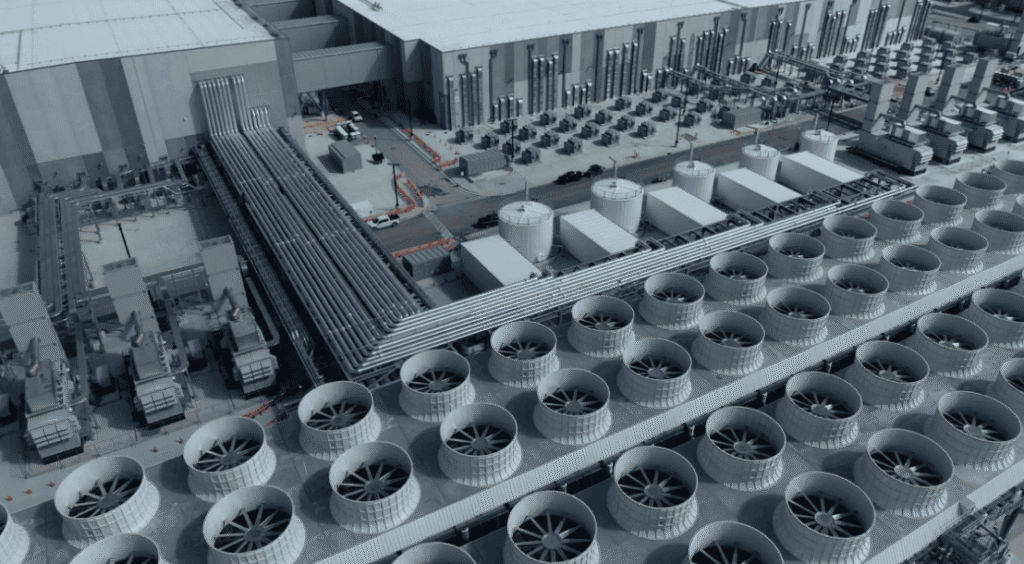
Increases in US electricity prices since 2020 have coincided with a sharp rise in demand from data centres. This column analyses the impact of the
How exchange rate policy reshapes global supply chains and productivity growth
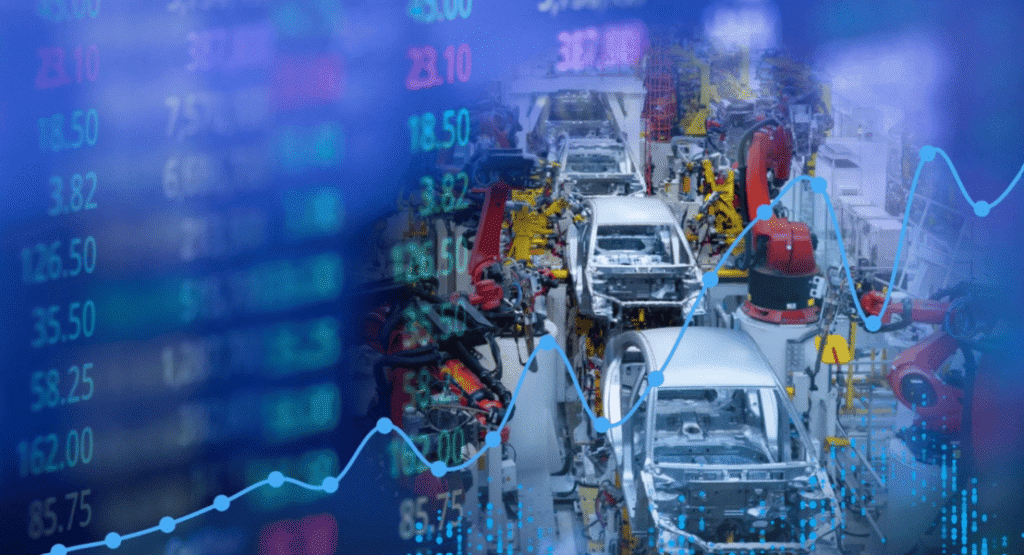
Global current account imbalances are widening again. This column argues that currency undervaluation, supported by reserve accumulation under capital controls, can permanently reshape industrial structure
Oil gains on Middle East supply concerns amid impasse in US-Iran war
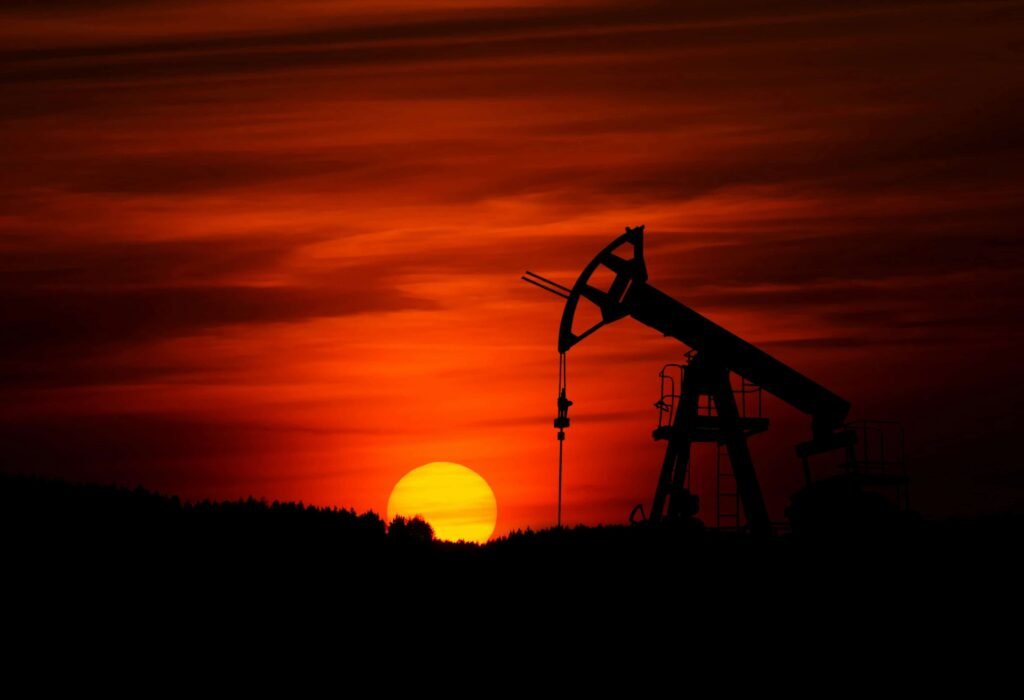
Oil prices climbed on Thursday on concerns the impasse in the U.S.-Israeli war against Iran will continue to disrupt supply from the key Middle Eastern
The origins of the multinational premium: Managerial talent, firm risk, and corporate taxation

Multinational firms tend to earn higher stock returns than purely domestic firms, raising questions about what drives their differential exposure to aggregate risk. This column
The AI premium

Artificial intelligence is already reshaping the economy and society. This column analyses how AI affects firms, markets, and workers using 380 trillion tokens of realised
Europe must prepare for a possible oil supply crunch
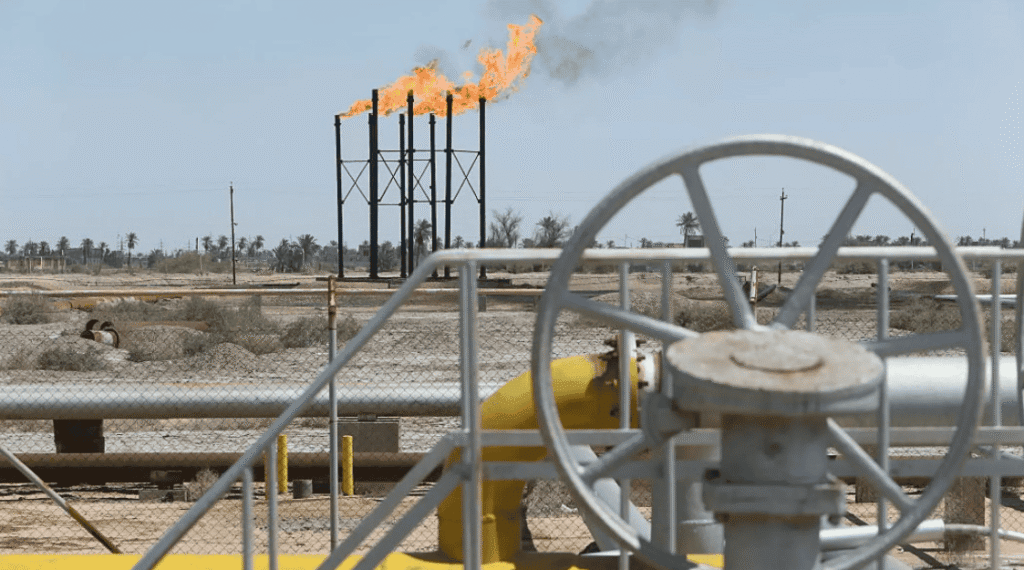
With falling commercial and emergency oil reserves, Europe’s oil price shock could soon become a volume crisis – a scenario for which it must prepare.
The unequal burden of oil shocks: Labour markets and monetary policy

The war in Iran has sent oil prices sharply higher, reviving the question of who bears the cost of energy shocks and how central banks