

Mission possible: When innovation meets outcomes

Peter Drucker, often called the father of modern management, once wrote that “innovation is the specific instrument of entrepreneurship…the act that endows resources with a
What tax data teach us about firms, trade and jobs

Where do jobs come from, and how can we learn more about firms that create them? Governments need to know which firms create employment, how
Winners and losers from the energy crisis: Policy lessons from the Iberian electricity market
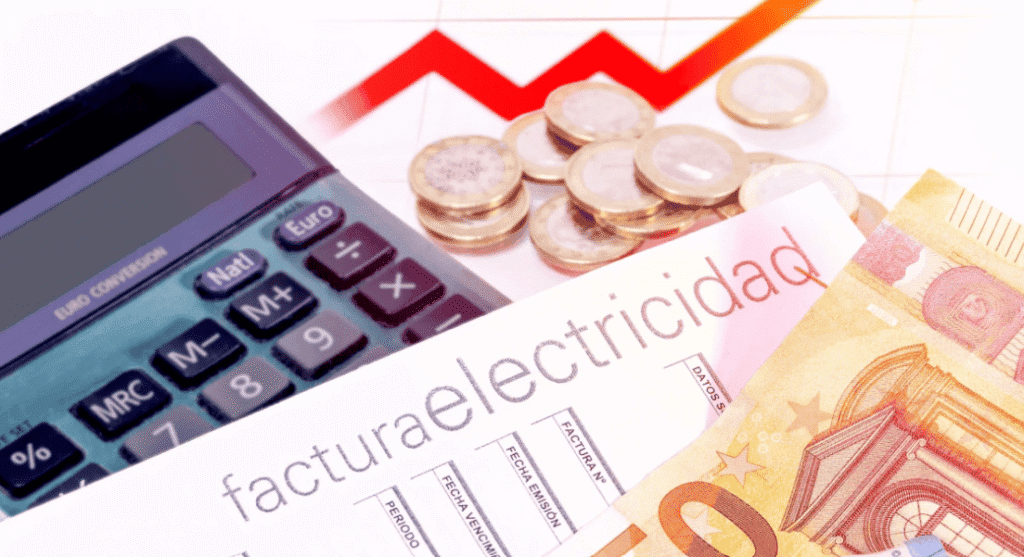
Europe’s recent energy crisis generated large windfall rents for electricity producers. Yet, most EU governments responded with costly downstream measures that left wholesale prices –
The long life spans of royals reveal the secret of ‘healthy stress’

Social status can have a long-lasting influence on people’s health and longevity. This column explores the lifespan of royals – whose status is determined by
AI misinformation and the value of trusted news

Artificial intelligence tools can now produce highly realistic text, images, and videos at almost no cost, prompting concerns that the proliferation of fabricated content may
Dubai’s VFS Global seeks $2bln in term loans to refinance debt

The facility will consist of USD and euro loans. VFS Global, the Zurich and Dubai headquartered provider of outsourced visa and consular services, is looking
GCC bank debt issuances top $60bln in 2025, to remain strong in 2026: Fitch
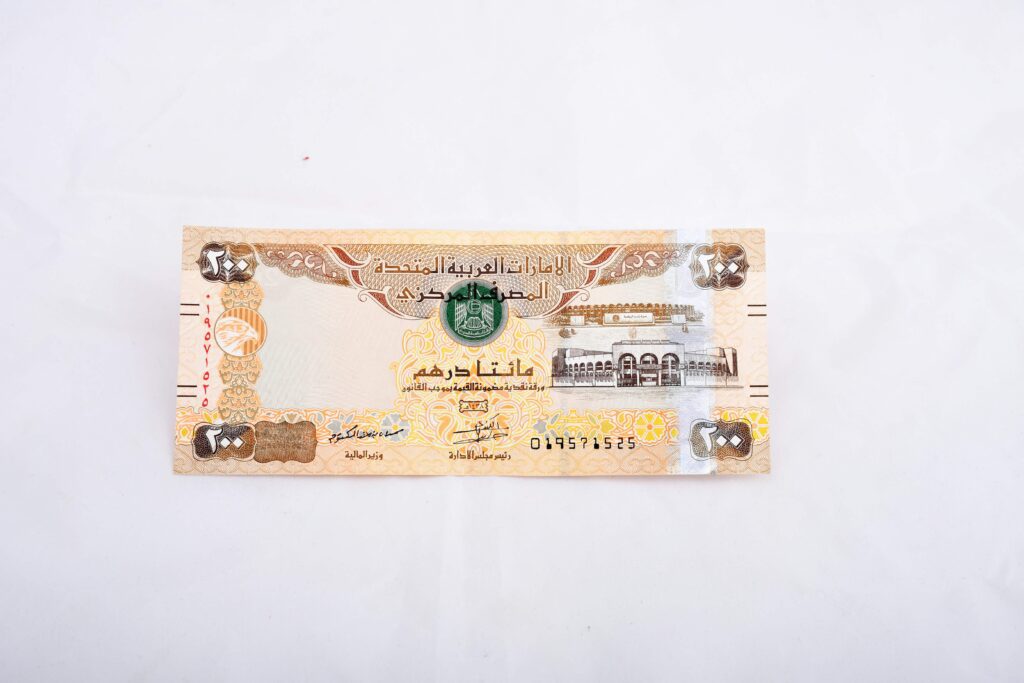
GCC lenders account for 30% of USD issuances by EM banks this year. Debt issuances by banks in the Gulf Cooperation Council (GCC) are set
Arab Energy Fund announces $600mln issuance with competitive pricing
The transaction represents the fourth successful public benchmark issuance completed by TAEF in 2025. MENA-focused The Arab Energy Fund (TAEF), formerly known as APICORP, recently
Gold uptrend intact, but due for correction before topping $4,000 in 2026

Spot gold was trading around $3,680 per ounce on Tuesday after hitting a record $3,689.27 earlier in the session. Gold’s stellar rally to successive record
Saudi’s Bank AlJazira prices $500mln, non-call 5.5-year sukuk

The final orderbook is in excess of $1.65bln, excluding JLM interest. Saudi Arabia’s Bank AlJazira, rated A3 (stable) / A-(stable) by Moody’s and Fitch, has