

Right to work part-time increases mothers’ labour income

Flexible working time arrangements can help parents reconcile family and work commitments. This column examines the impact of the statutory right to work part-time on
Censorship to defend democracy
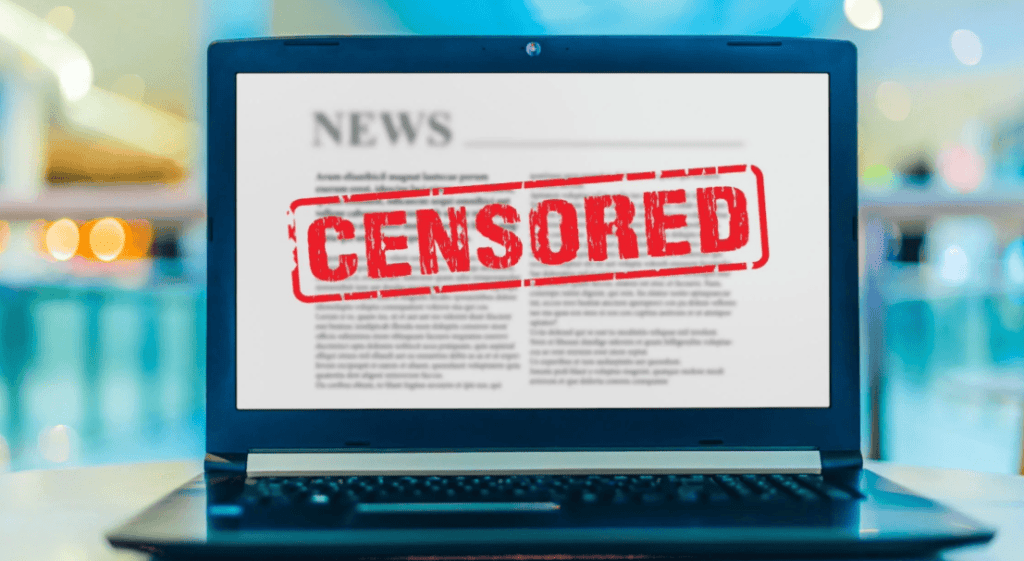
The spread of propaganda, misinformation, and biased narratives, especially on social media, is a growing concern in many democracies. This column explores the EU ban
Voluntary emission restraints in developing economies: The limited role of trade policy

As the fight against climate change intensifies, governments are exploring all available policy tools, including trade policy. But does it actually help? This column examines
Political expression of academics on social media

Social media platforms allow for immediate and widespread dissemination of scientific discourse. However, social media may distort public perceptions of academia through two channels: the
Geopolitical risk to oil production is not a major driver of the economy
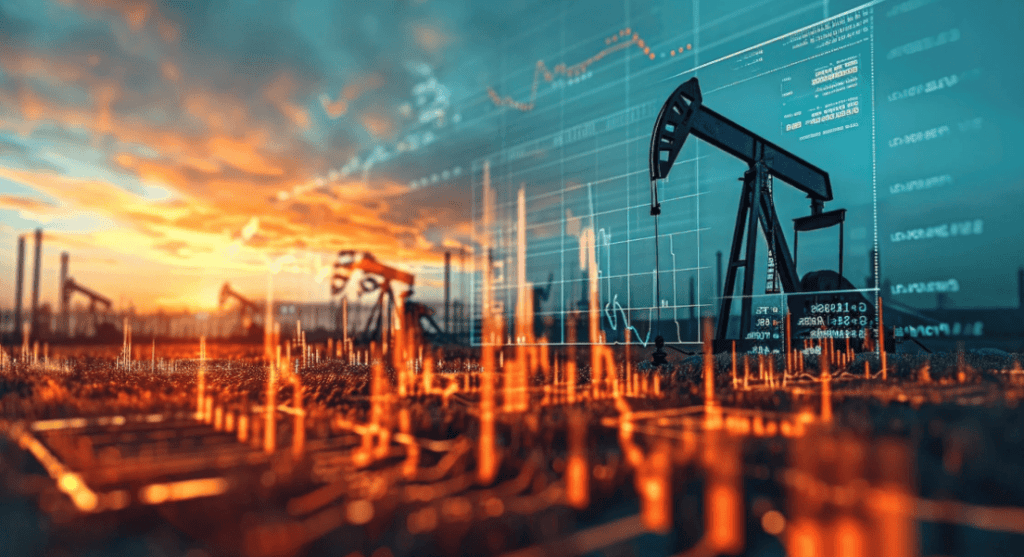
Geopolitical downside risk to oil production can have sizeable effects on oil price uncertainty and the global economy. This column argues, however, that it is
The Russian sanctions and dollar foreign exchange reserves

Will the freezing of the Bank of Russia’s foreign exchange reserves undermine the dollar’s predominant role in official foreign exchange reserves? This column examines the
How the financial authorities can respond to AI threats to financial stability

Artificial intelligence can act to either stabilise the financial system or to increase the frequency and severity of financial crises. This second column in a
The price of housing in the US, 1890-2006

Housing is at the core of economics. It represents most households’ largest asset, and rent similarly accounts for a significant portion of inflation indexes as
Import competition and US sentiment toward China

The US-China relationship is arguably the most important bilateral relationship of the 21st century. This column explores the link between trade imbalance and US sentiment
The US fiscal mess: Some unpleasant fiscal simulations

Based on recent projections, the US federal debt is expected to grow to historic highs over the next decade. This column uses the FRB-US model