

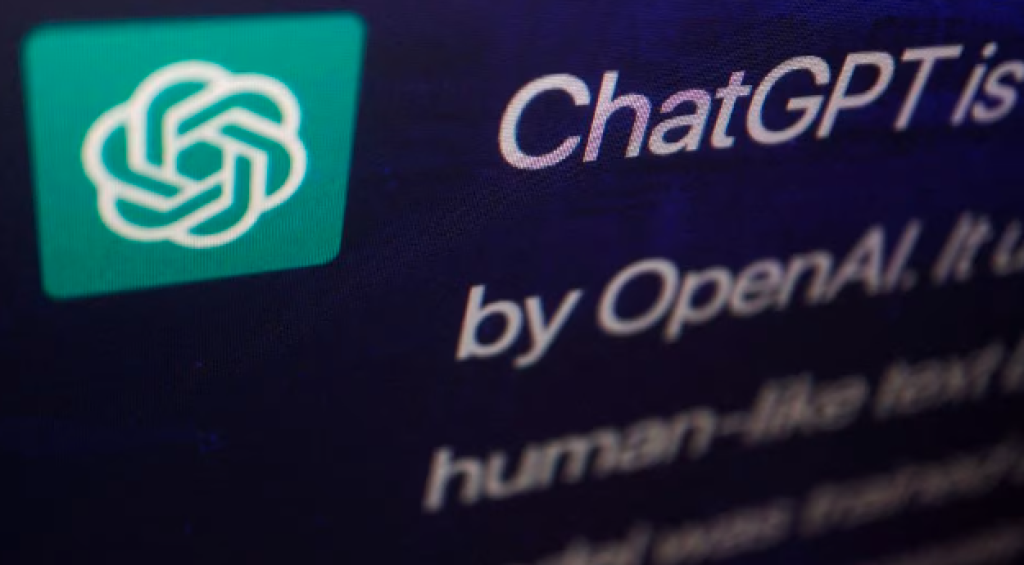
OpenAI, the startup behind ChatGPT, on Thursday said it is developing an upgrade to its viral chatbot that users can customize, as it works to address concerns about bias in artificial intelligence.
The San Francisco-based startup, which Microsoft Corp has funded and used to power its latest technology, said it has worked to mitigate political and other biases but also wanted to accommodate more diverse views.
“This will mean allowing system outputs that other people (ourselves included) may strongly disagree with,” it said in a blog post, offering customization as a way forward. Still, there will “always be some bounds on system behavior.”
ChatGPT, released in November last year, has sparked frenzied interest in the technology behind it called generative AI, which is used to produce answers mimicking human speech that have dazzled people.
The news from the startup comes the same week that some media outlets have pointed out that answers from Microsoft’s new Bing search engine, powered by OpenAI, are potentially dangerous and that the technology may not be ready for prime time.
How technology companies set guardrails for this nascent technology is a key focus area for companies in the generative AI space with which they’re still wrestling. Microsoft said Wednesday that user feedback was helping it improve Bing before a wider rollout, learning for instance that its AI chatbot can be “provoked” to give responses it did not intend.
OpenAI said in the blog post that ChatGPT’s answers are first trained on large text datasets available on the Internet. As a second step, humans review a smaller dataset, and are given guidelines for what to do in different situations.
For example, in the case that a user requests content that is adult, violent, or contains hate speech, the human reviewer should direct ChatGPT to answer with something like “I can’t answer that.”
If asked about a controversial topic, the reviewers should allow ChatGPT to answer the question, but offer to describe viewpoints of people and movements, instead of trying to “take the correct viewpoint on these complex topics,” the company explained in an excerpt of its guidelines for the software.
Source : Reuters